EU expands ‘Buy European’ to cars from the UK, Japan, and South Korea
The European Union plans to significantly change its trade policy to protect the automotive industry from the pressure of new Chinese brands. According to sources, the rules of ‘Buy European’ will include cars produced in the United Kingdom, Japan, and South Korea. This decision is a recognition that the EU cannot compete with China alone without external support.
The ‘Buy European’ initiative, which under the Industrial Acceleration Act is called ‘Made in EU’, stipulates that state aid can only be provided to vehicles produced in the region. Initially, this benefit was intended exclusively for European automakers. However, the conditions may now be extended to so-called ‘trusted partners’, including the United Kingdom, Japan, and South Korea.
Impact on corporate fleets
A significant part of the ‘Made in EU’ framework focuses on company cars and corporate fleets. This is logical, as about 60 percent of new vehicle registrations in the region are purchased by companies. According to these laws, eligible cars will receive tax benefits, including tax deductions for company cars.
The potential change is certainly excellent news for automakers in the UK, Japan, and South Korea, providing them with an important tool to combat Chinese excess capacity policy. It could also be an important lifeline for the British automotive industry, which has been in a volatile state for most of the last decade after Brexit.
Rescue for the UK?
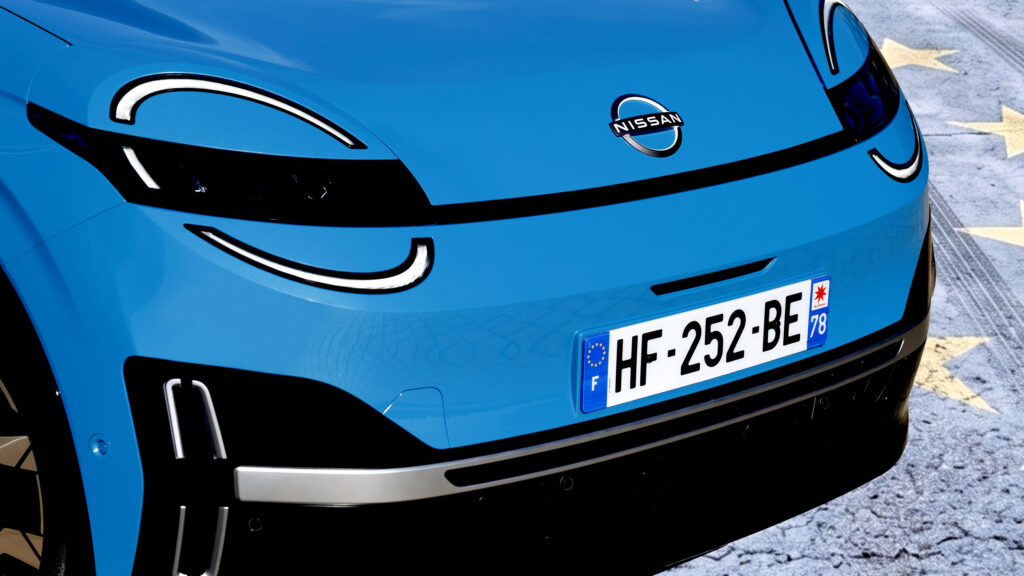
Recently, Nissan warned UK Prime Minister Keir Starmer that the company would have to close its plant in Sunderland because of the ‘Buy European’ policy. Including partner countries in these efforts could be enough to convince Nissan to stay in the UK.
According to Handelsblatt, major automakers have convinced European Commission President Ursula von der Leyen that it is in the EU’s interest not to jeopardize the integrated supply chains that exist between the four regions. A strict ‘Made in EU’ policy would, of course, also affect European brands that use foreign suppliers.

The EU’s decision to expand the ‘Made in EU’ program to cars from the UK, Japan, and South Korea is a strategic step aimed at maintaining the competitiveness of the European auto industry. It is a recognition that global supply chains have become so integrated that isolationist policies can cause more harm than good. For the British industry, which has found itself in a difficult position after Brexit, this could be a key factor for attracting investment and preserving jobs, as in the case of Nissan. At the same time, it demonstrates that even within the EU, they understand the need for cooperation with key allies to confront new global challenges, particularly from China, which is actively increasing its car exports.