


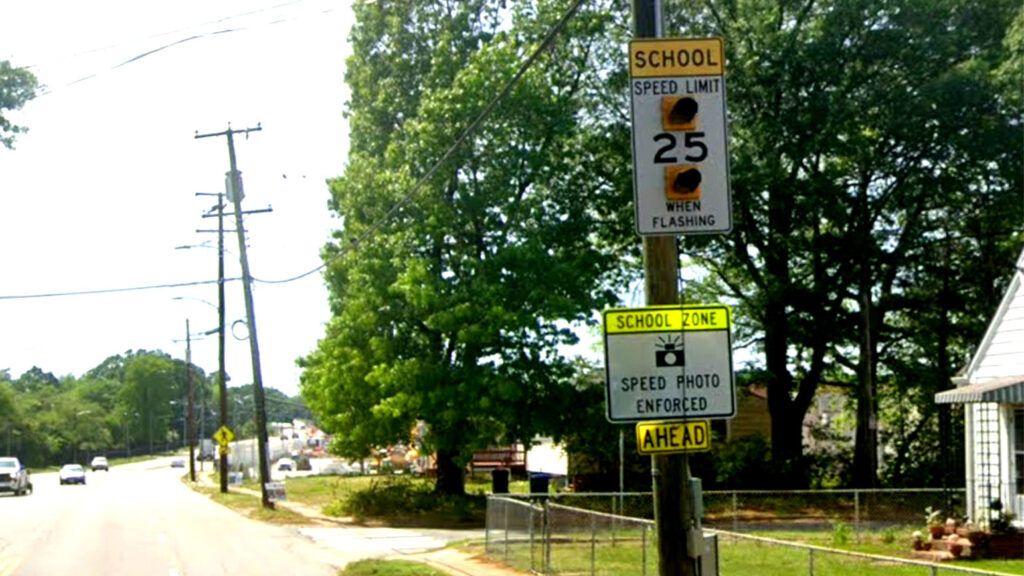
Speed cameras in Richmond schools issued over 100,000 fines
School zones are areas with a high concentration of vulnerable road users, which is why various measures are implemented to enhance safety. In Richmond, Virginia, one such method has been the use of speed cameras to fine drivers. However, judging by the numbers, the program isn’t doing much to slow down motorists, but it is steadily replenishing the city’s coffers.
The camera program began implementation in 2023 and expanded throughout 2024. In 2024, the cameras issued 26,739 fines. Last year, when two additional cameras were already operational, this number skyrocketed.
Millions of dollars remain unpaid
Despite a significant portion of fines being unpaid, the city does not plan to suspend the program. On the contrary, authorities intend to relocate two cameras from the school with the fewest violations to an educational institution with a higher level of traffic safety risk. It is worth noting that the cameras operate only on school days, during the start and end of classes.
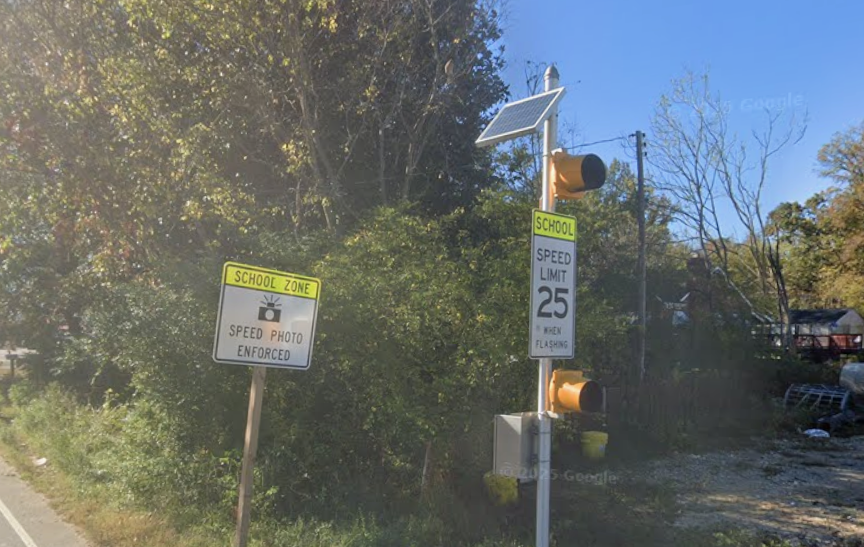

Where exactly are fines being issued?
No one disputes that speeding near a school is unacceptable, but attention should be paid to the infrastructure of these zones. For example, River City Middle School, which became the leader in the number of fines and revenue amount, is located next to a four-lane divided highway. Richmond High School for the Arts, in second place, is also situated on a four-lane thoroughfare. Road design clearly matters—wide, straight sections inevitably encourage drivers to speed.
The camera program isn’t doing much to slow down motorists, but it is steadily replenishing the city’s coffers.
If anyone thinks this is already an excessive scale of surveillance and budget replenishment, it’s worth noting: the city is already testing a red-light running camera system. Soon, after the “grace period” ends, they will begin operating at full capacity, generating additional revenue.
Last year’s figures vividly demonstrate the scale of the phenomenon. The nearly fourfold increase in the number of fines compared to 2024 indicates that the monitoring system has significantly expanded its capabilities. The question of the effectiveness of such measures for safety remains open, as high fines are not always equivalent to reduced danger. Moreover, placing schools near wide highways calls into question the very concept of a “school zone” under such conditions, turning it more into a source of funding than a tool for protecting children. The future will show whether the implementation of more cameras will lead to real changes in driver behavior or simply increase the numbers in revenue reports.