


China’s breakthrough spread of electric vehicles has been so rapid that it has overshadowed an even bigger problem for the world. While Western governments are trying to protect themselves from subsidized Chinese EVs, local automakers have quietly unleashed a real wave of gasoline cars onto the markets of developing countries.
These are the same cars they can no longer sell at home, as electric vehicles have virtually destroyed the ICE car market in China. Beijing’s shift to electricity has created winners, like BYD, and losers—state-owned giants of the past that are not about to give up without a fight.
According to Reuters, since 2020, about three-quarters of China’s automotive exports have been cars with internal combustion engines.
These are millions of gasoline cars heading to markets once dominated by foreign manufacturers. China has gone from exporting 1 million cars per year to likely over 6.5 million this year, making it the world leader in this indicator. Electric vehicles grab the headlines, but the numbers show that China is just as aggressively shaping the future of global demand for ICE cars.
Excess Capacity at Home
The rapid growth in exports is a direct consequence of China’s electric vehicle policy. Years of subsidies, support from local authorities, and a national course to dominate the EV market have triggered a price war that has destroyed gasoline car sales within the country.
China now has enough idle gasoline car plants to produce 30 million cars a year, far exceeding the needs of the domestic market.


Instead of closing factories, Chinese automakers have directed the unwanted inventory to regions where EV infrastructure is weak and drivers’ wallets are even thinner. Eastern Europe, South America, Africa, and Southeast Asia have become new battlegrounds where Chinese brands are rapidly gaining momentum, trying to compensate for losses at home abroad.
Brands like SAIC, Dongfeng, BAIC, and Changan once relied on joint ventures with companies like GM, Nissan, and Honda, but these partnerships have declined. SAIC GM’s sales in China have fallen from over 1 million per year to barely 400,000, but the situation abroad is different. SAIC exported over a million cars last year. Chery increased global sales from 700,000 in 2020 to over 2.5 million in 2024, and most of them have gasoline engines.

GM and Ford Suffer Losses
Western automakers are finally noticing that they are being overtaken not by BYD’s shiny electric vehicles, but by cheap Chinese ICE cars. In Mexico, Chinese brands are set to capture 14% of the market, luring customers away from Chevrolet and Ford.
In South Africa, they control 16% of the market, selling virtually no electric vehicles. In Chile, every third new car is Chinese, and most of them run on gasoline.
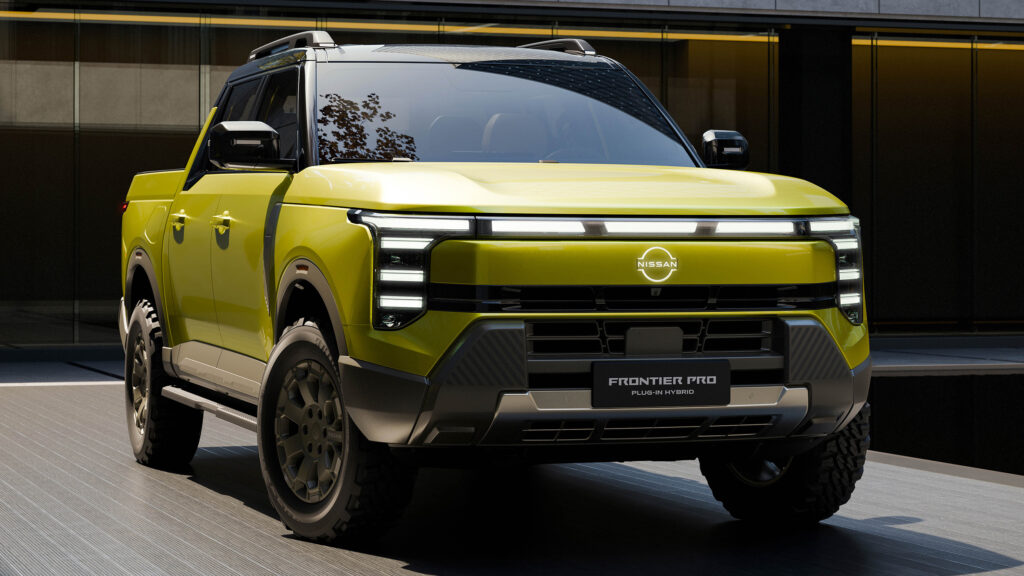
Chinese pickups are even undermining their own joint venture partners. For example, Dongfeng sells a pickup in Uruguay that is essentially a restyled Nissan Navara with an older Nissan engine, but at two-thirds the price of the original.

Where will this end? Consulting forecasts indicate that by 2030, Chinese automakers will add another four million sales abroad. Combined with growth in the domestic market, this could give China nearly a third of the global automotive market in just five years, and it is clear that the expansion will not stop there.
This situation creates a complex dilemma for the global automotive industry. On the one hand, Chinese exports provide affordable transportation for markets where electric vehicles will not be the primary choice for a long time due to price and infrastructure. On the other hand, it threatens to displace not only Western manufacturers but also local ones, increasing dependence on Chinese industrial policy. The dynamics indicate that the geography of the automotive world is changing forever, and traditional production centers can no longer ignore this shift by simply defending against the electric wave, because a wave of affordable cars with conventional engines is simultaneously advancing on them.