 by
by A phenomenon critics call “carspreading” is gaining momentum in Europe—cars are becoming so large that they literally sprawl beyond standard parking spaces. This trend is causing serious problems in cities.
Cars Have “Gotten Fat”
If it seems like cars have gained significant weight lately, that’s because they have. In the UK and Europe, cars have been quietly gaining centimeters and kilograms for years. For example, the modern Volkswagen Polo already surpasses the original Golf in size.
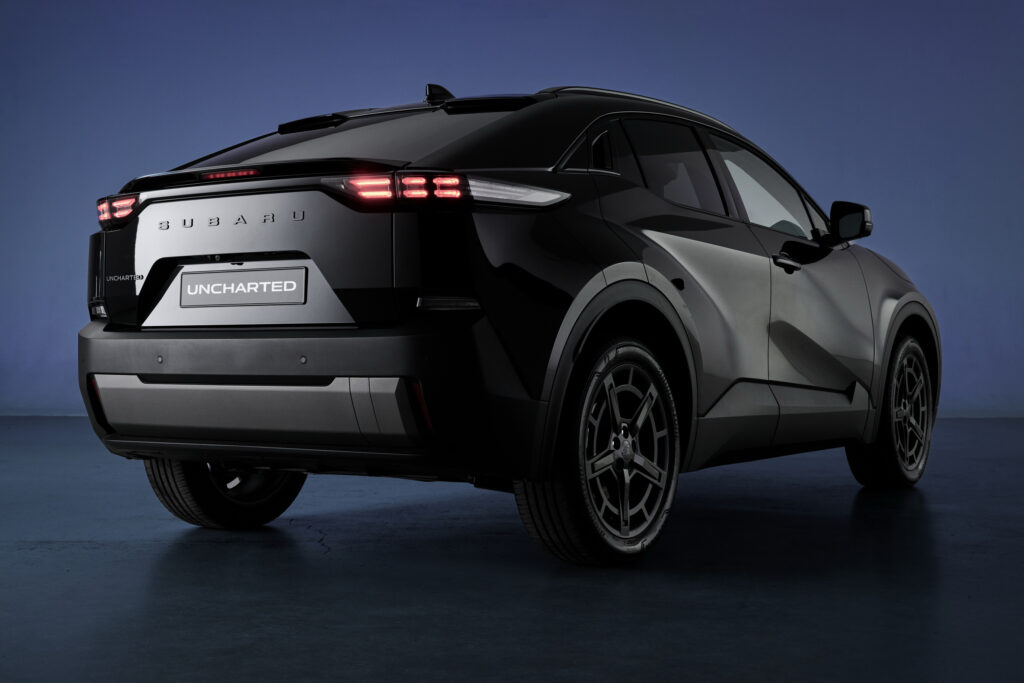
According to data, the average width of a new car in Europe reaches 1870 mm, which is 50 mm more than in 2018. This growth is largely driven by the rapid increase in SUV sales. Weight has also increased—by more than 200 kg over a few years. And electric SUVs weigh as if they’re preparing for heavyweight fights.
Cities Resort to Countermeasures
Cities have started to react. The Paris municipality was the first to act, tripling the parking cost for “heavy” cars. According to the authorities, the new rules have already reduced the number of overweight cars on the city streets by two-thirds. Cardiff in Wales is following suit, raising the price of permits for vehicles weighing over 2400 kg. Other local administrations are watching this with interest.
The reasons for the regulators’ concern are obvious. Many cars popular in Britain are now wider than the standard 1800 mm wide parking space. Drivers no longer park, but “squeeze” their cars in, and some councils are spending millions to widen parking spaces that are underutilized due to their “narrowness.”
Buyers’ Love for SUVs Is Not Waning
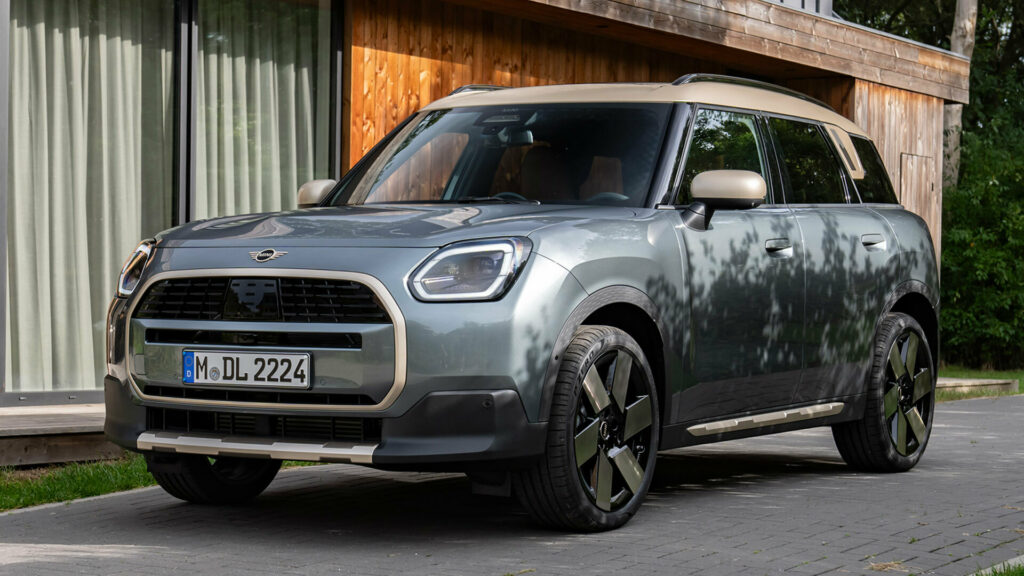
However, drivers who buy large cars insist that the extra size is not vanity. Families claim they need the space, and commuting drivers like to sit high. Anyone who transports children, pets, gear, or groceries for a whole week argues that a bigger car is simply more practical.
The truth is that people now buy more, transport more, and travel more often than their grandparents did. Life has become more intense, and trunks fuller. This is partly a reflection of the modern lifestyle. On the other hand, many SUVs are built on the platforms of smaller cars, allowing manufacturers to sell them at a higher price with minimal additional costs.
Are Safety Requirements to Blame?
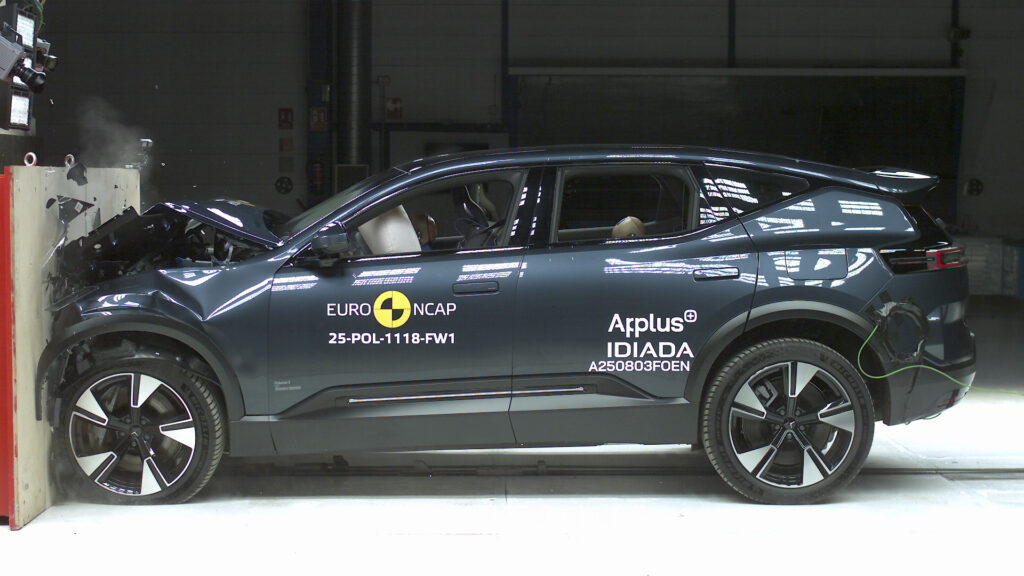
Safety regulations have also contributed to the “bloating” of cars. Modern crash test structures, airbags, and stronger frames add mass. While SUVs protect the people inside well, critics argue they are much more dangerous for those outside.
A Belgian study found that increasing the hood height by 100 mm could raise the risk of fatal consequences for vulnerable road users by 27%.
Environmental groups point out that extra weight means more energy consumed, whether the car burns gasoline or uses electrons. Electric vehicles mitigate the emissions problem but add even more kilograms, leading to greater tire wear and the emission of toxic particles—a problem that has only recently made headlines.
Small Cars Are Becoming More Interesting, But SUVs Are Here to Stay

Governments are experimenting with fees, taxes, and rules to encourage buyers to return to smaller cars. Small electric vehicles like the Renault 5 and Hyundai Inster are helping, proving that compact transport doesn’t have to be a punishment.
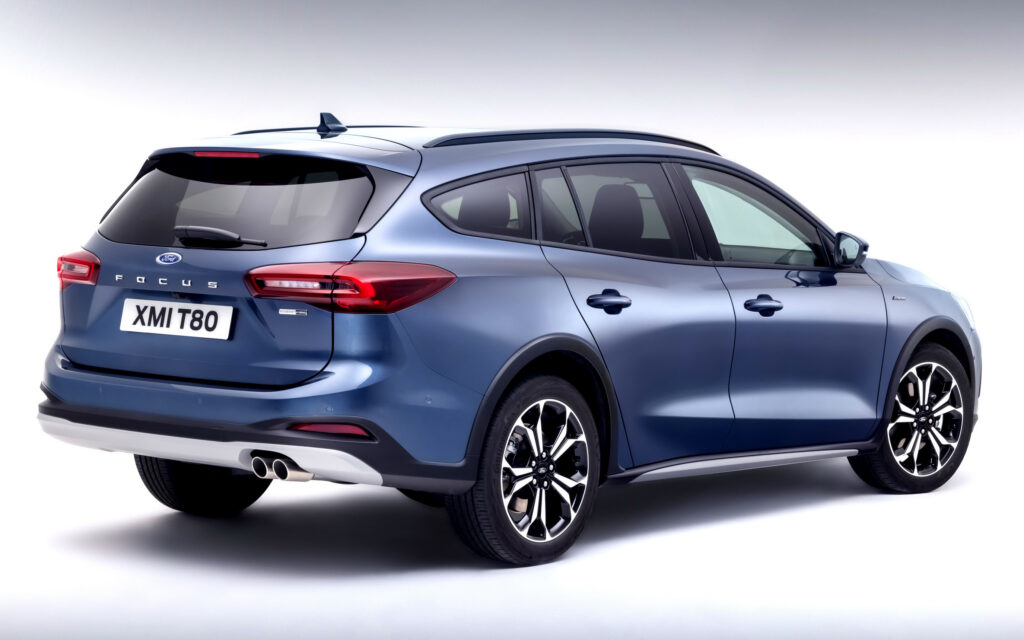
However, SUVs will remain with us for many more years because people love them too much to give them up. And these SUVs will likely continue to grow, even if the streets, garages, and parking spaces remain exactly the same size.
This creates a complex problem where family needs, urban infrastructure, pedestrian safety, and environmental challenges collide. Cities are forced to balance consumer freedom of choice with the need to preserve the functionality of public space. The future of urban mobility seems likely to be defined not only by technology but also by a social compromise on how much space we are willing to give to private vehicles in already overcrowded megacities.