 by
by Historical Context of the Brand
The Spanish company Santana Motors, founded in the 1950s, may not be on everyone’s radar, but it has a rich history. Starting in 1958, it produced Land Rover vehicles under license, which were later exported throughout Europe, Africa, and South America.
The company began producing its own models in 1980, and five years later entered into a partnership with Suzuki. This allowed it to manufacture cars like the SJ under its own Santana brand.
However, in the mid-1990s and early 2000s, the automaker faced financial difficulties. Attempts at restructuring and a change of ownership failed, and in 2011 production completely stopped.
Revival of Production
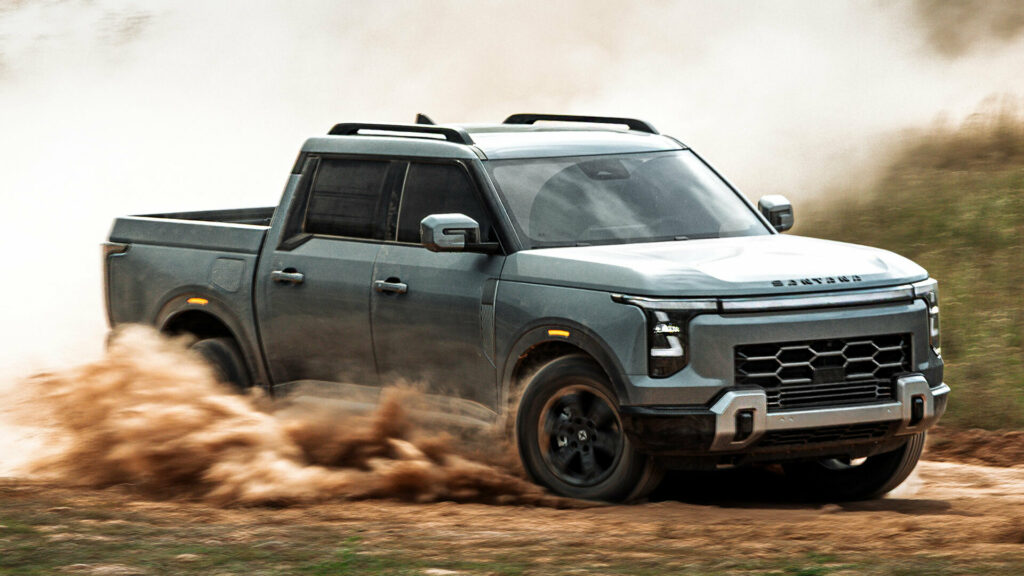
Now Santana has returned. Car production has resumed at the factory in Linares. The first models are the new 400D and 400 PHEV pickups, which are rebranded versions of the Chinese Dongfeng / Zhengzhou Nissan Z9 model.
While in terms of originality they don’t break new ground, the technical specifications are quite solid. The 400D model is equipped with a 2.3-liter diesel engine producing 188 hp and up to 500 Nm of torque. It can be paired with a six-speed manual transmission or an optional eight-speed automatic.
According to the manufacturer, both variants accelerate from 0 to 100 km/h in 9.1 seconds, with a top speed of 170 km/h. The payload capacity of the pickups reaches 815 kg, and they themselves are capable of towing up to 3200 kg.
Powerful Hybrid Version
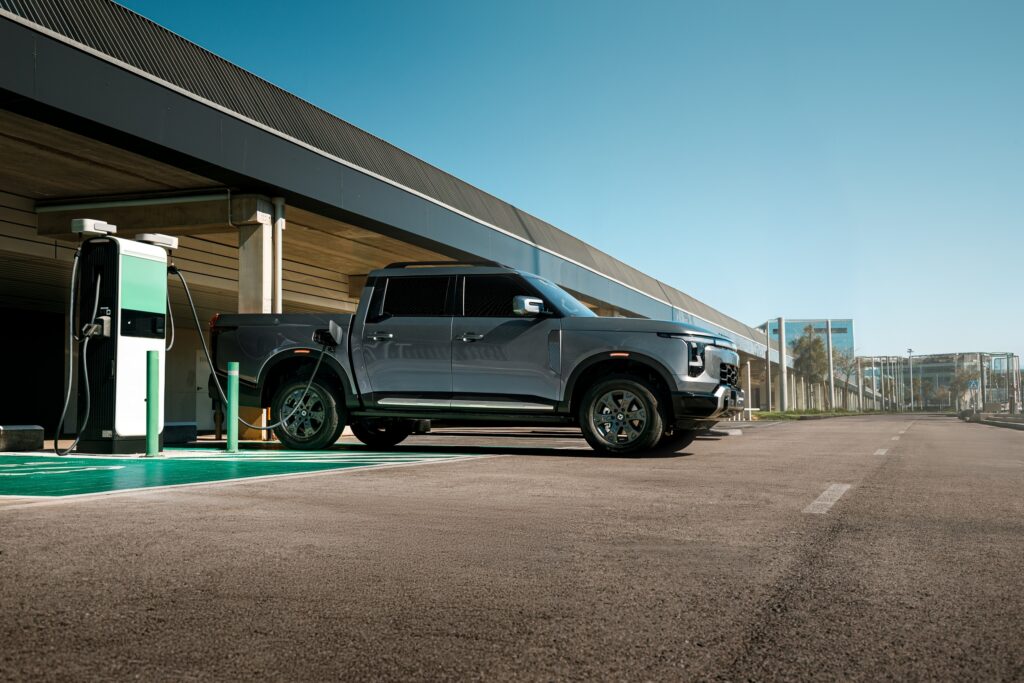
The 400 PHEV model received a hybrid powertrain consisting of a 1.5-liter gasoline engine, an electric motor, and a 32 kWh battery. The total system output is 429 hp and 800 Nm of torque.
Thanks to the more powerful powertrain, acceleration to 100 km/h takes only 6.5 seconds. The electric-only range is about 120 km, and the total range is approximately 1046 km.
Equipment and Pricing Policy
The hybrid pickup has all-wheel drive, side steps, and an external 6 kW power outlet. Standard equipment also includes LED headlights and a sunroof.

The driver is greeted by a 10-inch digital instrument cluster and a 14.6-inch multimedia system. The model also features artificial leather with heated and ventilated seats, dual-zone climate control, a six-speaker audio system, and a 50W wireless smartphone charger.
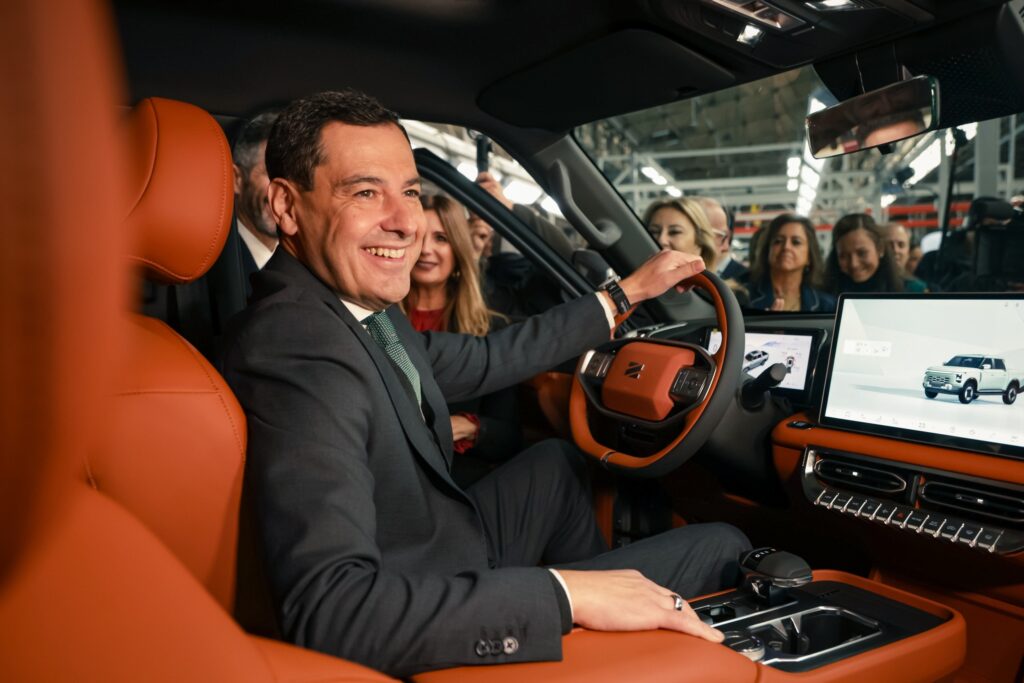
The standard driver assistance systems package includes adaptive cruise control, automatic emergency braking, traffic jam assist, lane keeping assist, and traffic sign recognition. The S version adds highway driving assist, front and rear cross-traffic alert, blind spot monitoring, and lane change assist.
The price for the hybrid pickup starts from 29,900 euros, while the diesel version costs from 44,700 euros. For comparison, the Spanish version of the Ford Ranger Double Cab starts from 31,050 euros, making Santana’s offer quite competitive.
Strategic Partnership with BAIC
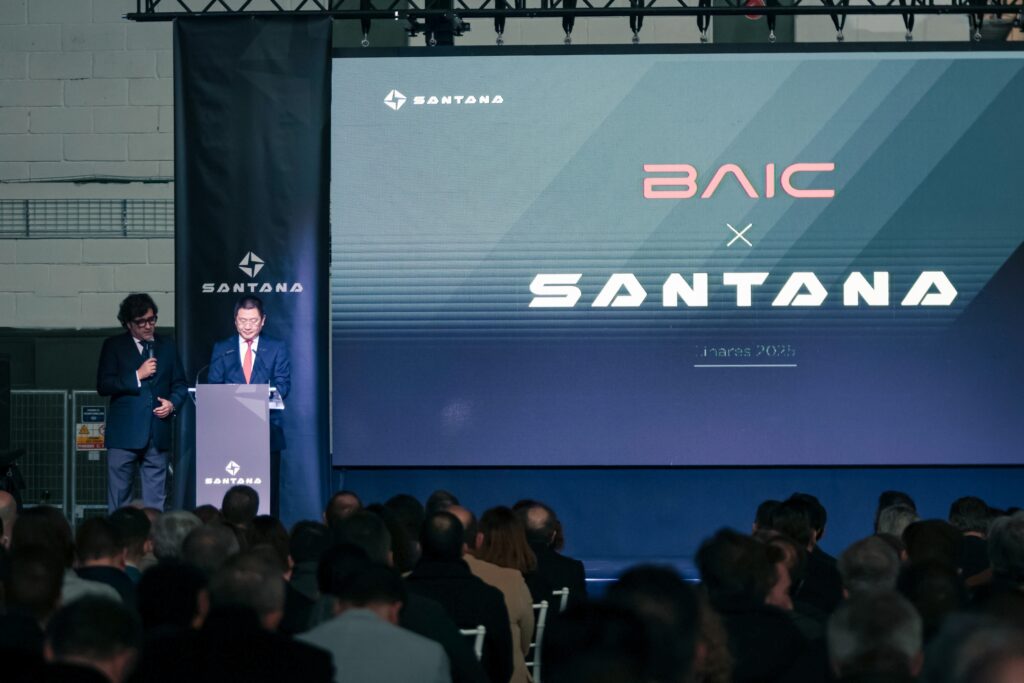
In addition to resuming production, Santana announced a strategic agreement with the Chinese concern BAIC. According to the agreement, the company will receive BAIC vehicle kits for subsequent assembly in Spain.
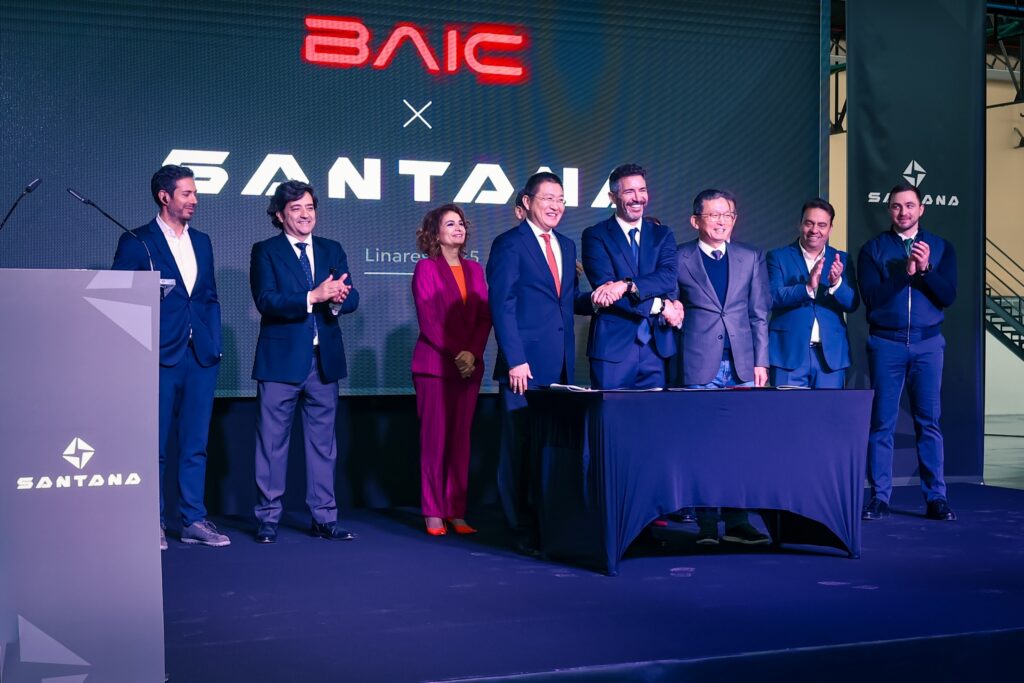
Details are still limited, but it is known that it concerns a “full line of passenger SUVs” that will complement the existing pickups. These models will be gradually introduced between 2026 and 2028.
While the first cars will be rebranded versions of existing BAIC models, the agreement also provides for the joint development of new models on the Chinese partner’s platforms. These future cars will have a unique design and Santana brand identity.
The return of Santana Motors is a vivid example of global trends in the automotive industry, where traditional European brands are finding a second wind thanks to partnerships with Chinese manufacturers. This allows them to quickly fill their portfolio with modern models at competitive prices. The success of this revival will depend on how successfully the Spanish brand heritage can be combined with Chinese technology and production efficiency, as well as on acceptance by European consumers. The focus on practical pickups and future SUVs indicates a desire to occupy its niche in a market where demand for versatile and economical cars remains high.