


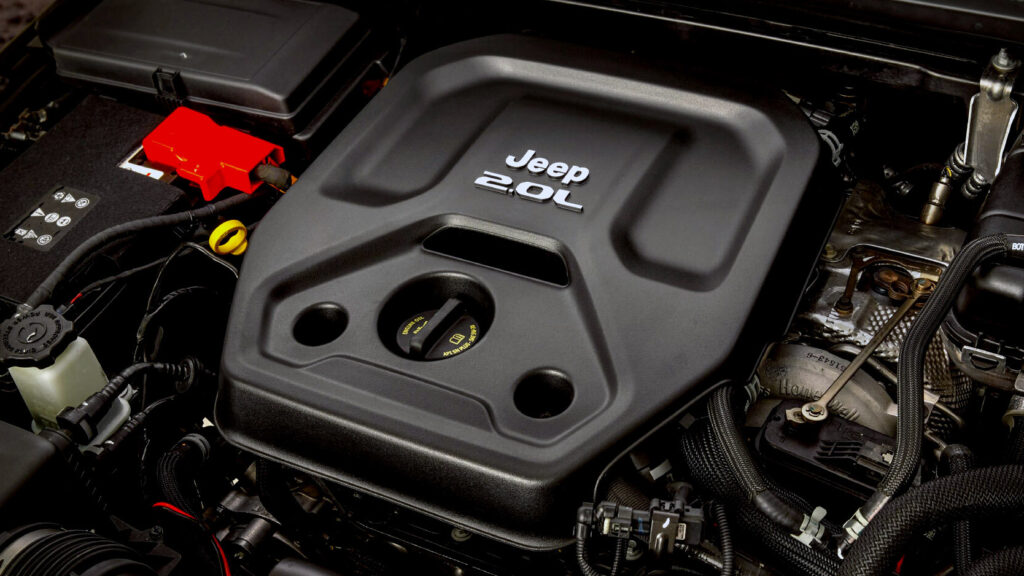
Automaker Stellantis has announced two new recalls related to engines and the electronic stability control system. These events have put the company on par with General Motors and Toyota in terms of the number of recalls this year – each of these auto giants now has eleven.
Problem with sand in engines for hybrid Jeeps
The first campaign concerns 2,689 turbocharged 2.0-liter four-cylinder engines intended for replacement in plug-in hybrid Jeep Grand Cherokee and Wrangler 4xe models. These engines, supplied under the Mopar brand, may contain internal contamination capable of leading to their complete failure.
According to the official recall report, the engines may be contaminated with sand left over from the casting process.
This is already the second recall due to this same problem. After the first campaign, which affected 112,859 vehicles, an incident of an underhood fire occurred in a 2024 Jeep Grand Cherokee 4xe. This vehicle was not on the initial list but had an engine manufactured during the same “suspect” period. This incident triggered an investigation, which led to the expansion of the initial recall.
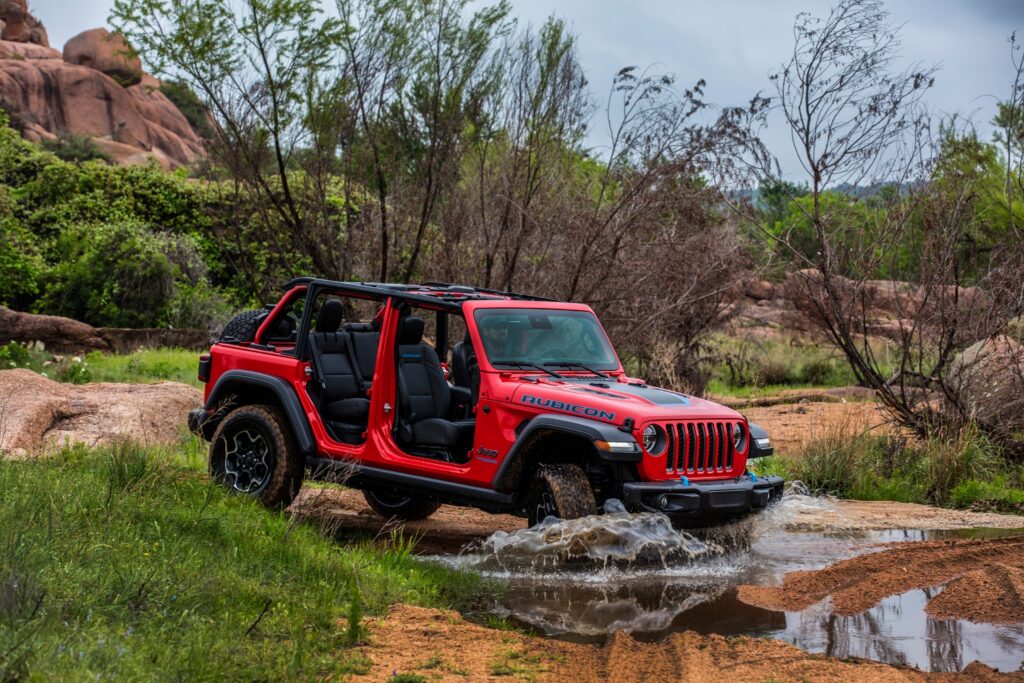

It is believed that about 4.3% of the engines from the new list have sand contamination. Fortunately, the automaker has not yet reported any accidents or fires due to this defect. To resolve the issue, dealers will inspect the engines and replace them if necessary. Engines not yet installed in vehicles will also be checked, and if a defect is found, they will be bought back.
Loss of stability control on Ram 2500 pickups
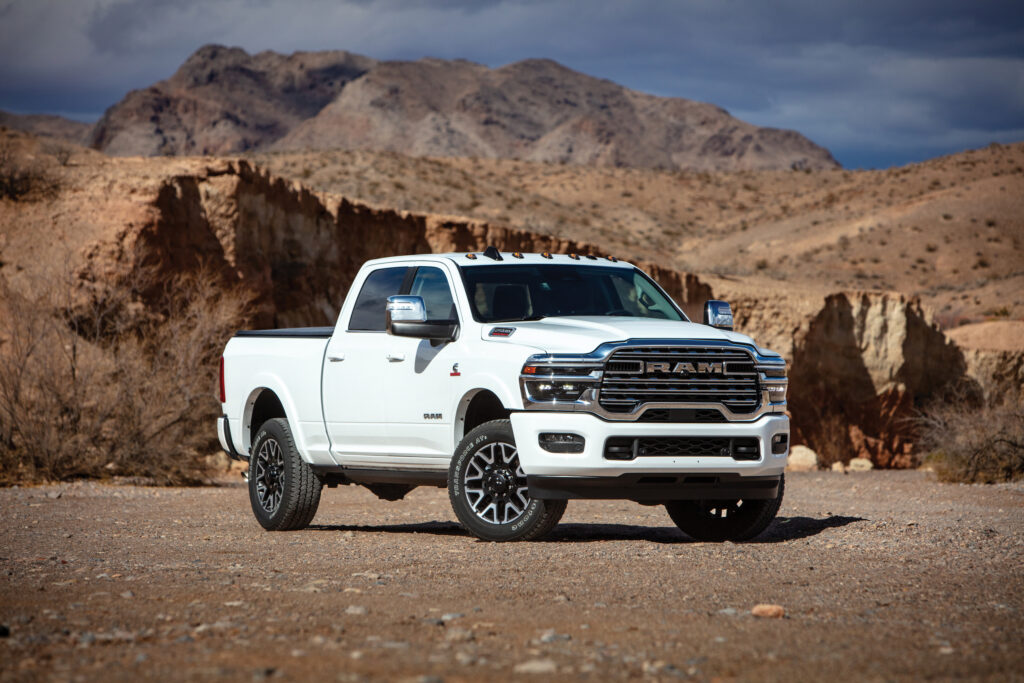
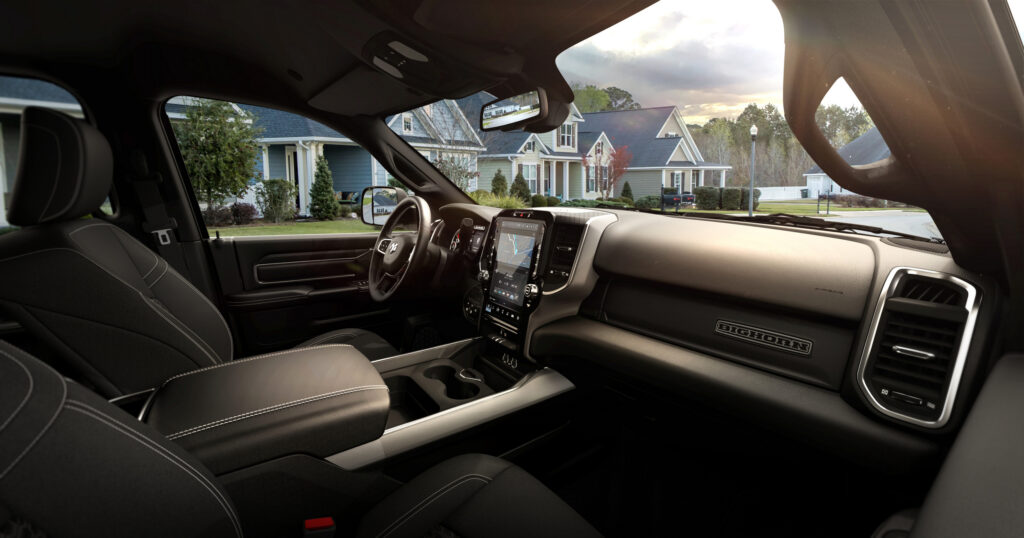
The second recall will affect 6,605 Ram 2500 pickup trucks from the 2026 model year. The problem lies in the steering column control module, a malfunction of which can lead to a complete loss of the electronic stability control (ESC) function.
The details of the problem are not fully disclosed, but it is known that Stellantis began an investigation back in January. It showed that the steering column control modules may have an internal fault that disables the ESC system. This means the vehicles do not comply with federal motor vehicle safety standards.
The company estimates that only about 0.5% of the vehicles on the specified list, approximately 33 vehicles, have this defect. To fix the problem, dealers will replace the steering column control module.

These two recalls clearly demonstrate the complexity of the modern automotive industry, where problems can arise both in complex hybrid powertrains and in the electronic safety systems of massive pickups. The manufacturer’s rapid response and transparency in reporting defects remain key factors in maintaining consumer trust, especially when it comes to safety. Such stories also remind us of the importance of global quality monitoring systems that allow for the detection and elimination of problems, even if they concern only a small percentage of vehicles or individual spare parts.