


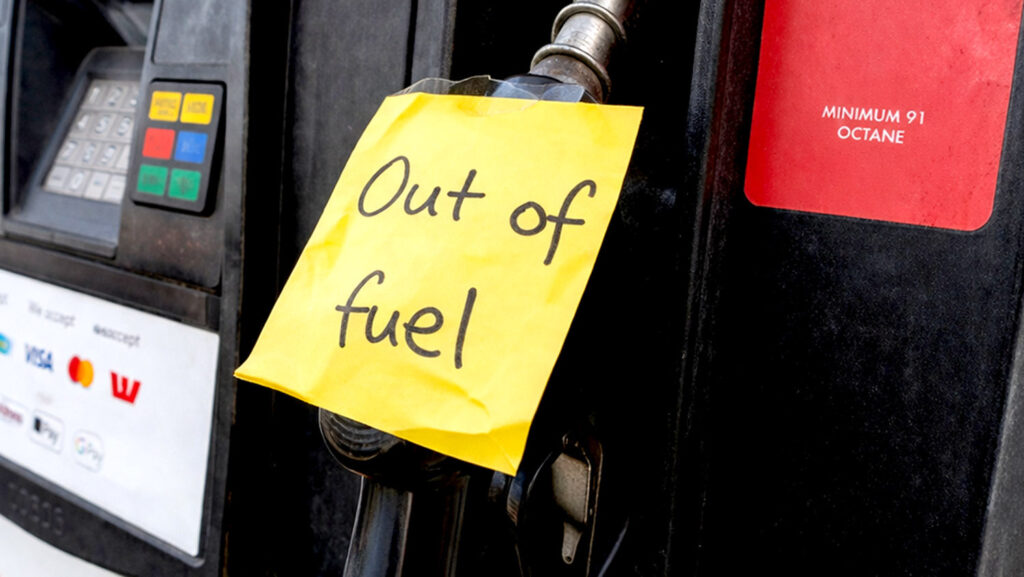
Fuel Crisis in Australia Deepens
The war in Iran, which has been ongoing for almost a month now, continues to affect drivers worldwide. While many are only concerned about fuel prices, some are facing the problem of its physical absence at gas stations.
Number of Stations Running Out of Fuel is Increasing
This situation is already unfolding in Australia. The Premier of New South Wales recently reported that 105 service stations in the state have already completely exhausted their diesel fuel supplies. Another 35 stations have run out of both gasoline and diesel simultaneously. However, considering there are about 2500 service stations in the state in total, this represents only 4.2% of those who have run out of diesel, and 1.4% of those left without fuel altogether.
Authorities Urge Against Stockpiling
Although these figures may seem small, Premier Chris Minns noted that thanks to the use of strategic reserves and the easing of sulfur content restrictions, “there is more petrol in the economy today than there was five or four weeks ago.” Despite this, he hinted that people, due to fears about supply, are starting to stockpile fuel. Minns urged citizens to take only what they need, as they could be “taking fuel from someone else who really needs it.”

Remote Regions Hit the Hardest
The fuel shortage seems to primarily affect remote areas and independent gas stations. The former are of particular concern, as there may not be many alternatives nearby. According to media reports, Australia imports most of its fuel and currently has only a 38-day supply of gasoline in strategic reserves. It is also reported that the country has a 30-day supply of diesel and jet fuel.
Possible Emergency Measures and Political Controversy
Premier Minns did not comment on the possibility of introducing fuel rationing, but noted: “We will certainly take emergency measures if necessary, but these measures themselves affect the economy and business in New South Wales.” As the fuel crisis deepens, political squabbles intensify, with even common-sense ideas coming under attack. Minister for Climate Change and Energy Chris Bowen suggested that people work from home to help reduce consumption and demand for fuel. While this idea seems sensible, some politicians have dismissed it.
On the road this weekend? Don’t forget to fill up at the nearest Caltex (we wouldn’t want your fuel light ruining the mood!) pic.twitter.com/LtAlqIBGWp — Caltex Australia (@CaltexAustralia) March 25, 2023
The fuel situation in Australia is a reminder of modern economies’ dependence on stable global supply chains. Conflicts in key regions can quickly lead to local shortages, even in distant countries. Authorities’ calls to avoid panic buying are classic but often ineffective, as individual self-preservation logic outweighs collective interests. The suggestion of remote work points to the potential for structural changes in behavior caused by crises, which could have long-term consequences for urban planning and transportation flows even after the situation normalizes.