


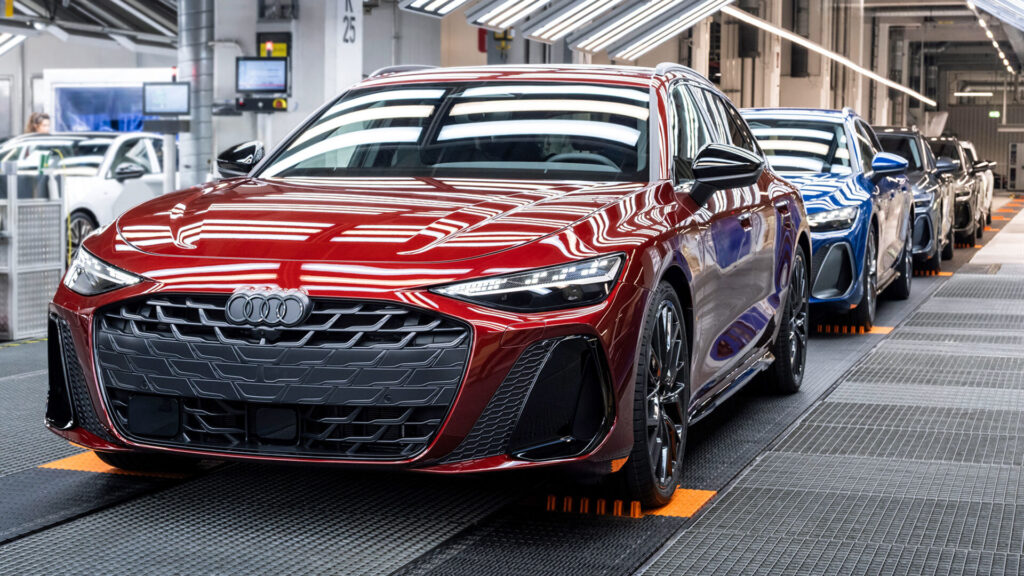
The Volkswagen Group is planning drastic cuts, and workers are outraged. Around 6,000 people took part in a protest at the Audi plant in Neckarsulm, where the A5, A6, A8 and e-tron GT models are produced.
Why is the plant under threat?
This facility is one of four that Volkswagen Group CEO Oliver Blume mentioned in an internal memo earlier this year. In it, he reportedly said:
“We still cannot confirm the competitiveness of using the plants in Emden, Hanover, Zwickau and Neckarsulm in the 2030s.”
More: VW Group could cut 100,000 jobs and spin off its core brand
This hints that these plants could be closed, and it comes as no great surprise to Neckarsulm. Both the A8 and the e-tron GT are living out their final years, although the A5 and A6 still have plenty of life left. Of course, Audi could consolidate production of these models at another plant to increase capacity utilization.
According to Audi, the Neckarsulm plant has 15,509 employees and produced 181,454 vehicles in 2025. The automaker also noted that it is “one of the largest employers in the Heilbronn-Franconia economic region”.
Workers’ concerns
Closure would be a devastating blow, and as Reuters reports, workers are understandably concerned. As one trainee told the publication:
“Staff want clarity because they are afraid to come to work. Many families are worried too.”
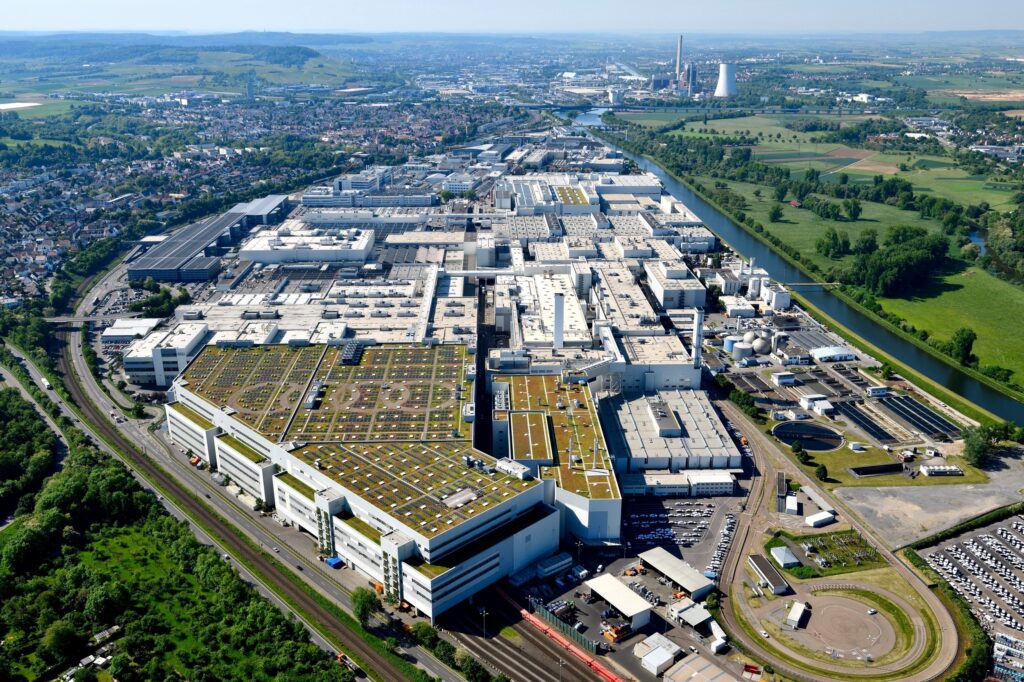

Scale of potential cuts
Although the future of the plant remains uncertain, Volkswagen Group has outlined the possibility of cutting around 100,000 jobs. The company also plans to reduce its model range by 50%, while simultaneously reducing complexity and the number of engine variants. The automaker is also expected to reduce the number of trims and options.
Previous reports indicated that this could lead to the disappearance of several models, including the Volkswagen Jetta and Taos. Audi could lose coupe-like crossovers such as the Q5 Sportback and Q6 e-tron Sportback. Similarly, Porsche could gradually discontinue the gasoline Cayenne Coupe and the electric Taycan.
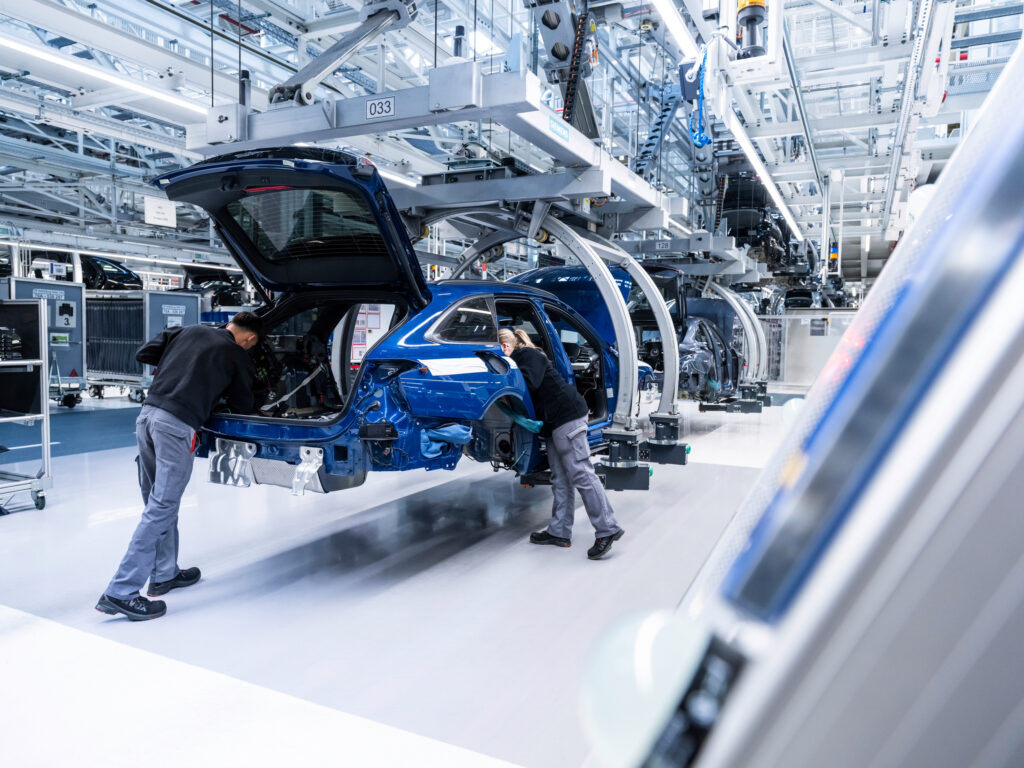

Meanwhile, the protests in Neckarsulm are only gaining momentum. Workers are demanding not just job security but also a clear strategy for the plant’s development in the era of electrification. Audi has already announced plans to produce new electric vehicles on the PPE platform, but it is still unclear whether Neckarsulm will get these models. If the plant is closed, the region will lose not only jobs but also a significant portion of tax revenue. At the same time, competitors such as BMW and Mercedes-Benz are investing more actively in German production sites, making VW’s decision even more controversial in the public debate about the future of the German automotive industry.