


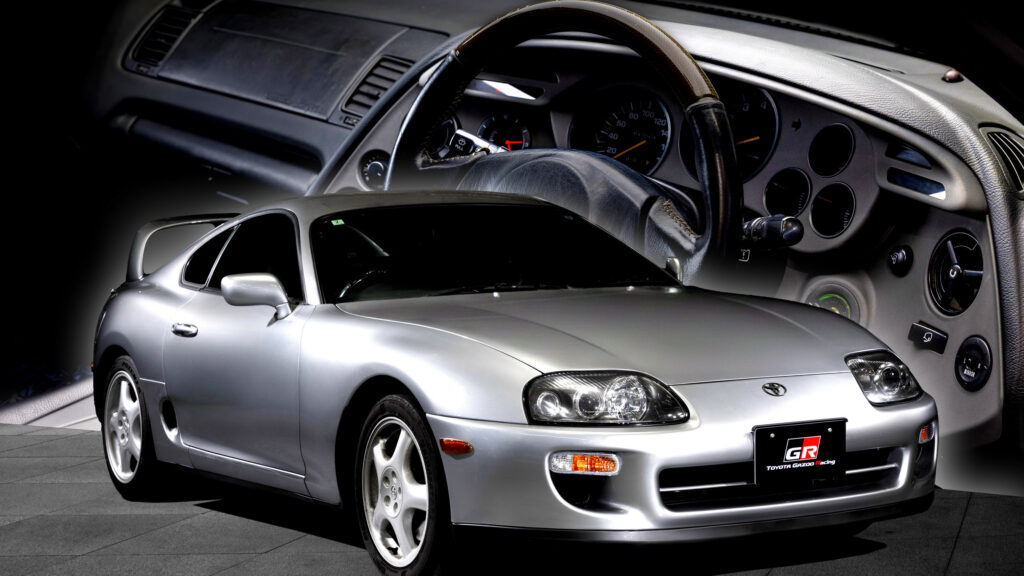
Legend Reborn: Toyota Recreates Dashboard Panel for MkIV Supra
Despite the fact that production of the A90 Supra model is likely coming to an end, interesting news is emerging regarding the nameplate itself. Toyota plans to begin re-manufacturing the dashboard panel from the legendary fourth-generation Supra (MkIV). Customers will be able to purchase it this year thanks to the brand’s GR Heritage Parts program.
Details of the Updated Component
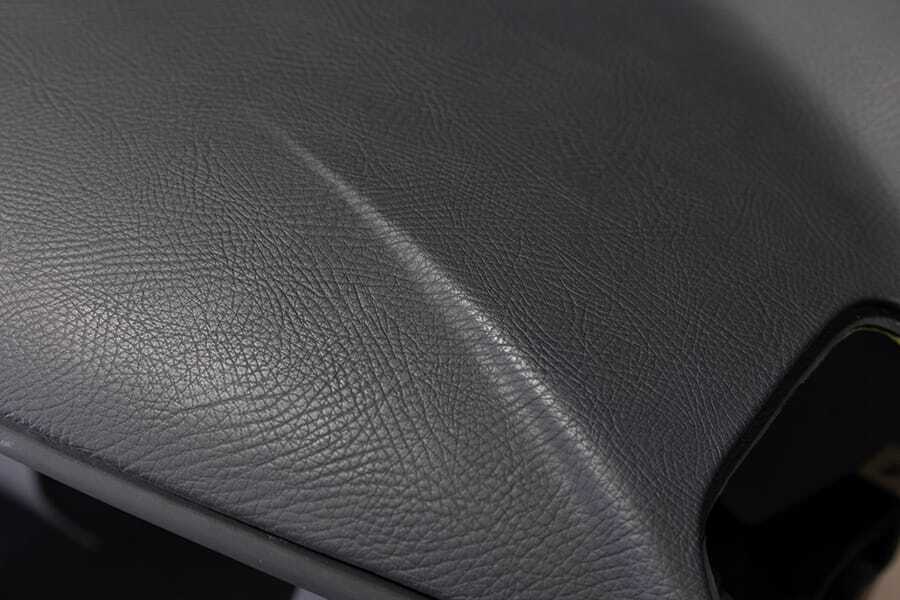
The dashboard panel, which forms the upper part of the dashboard, stretches from the steering wheel across the entire width to the passenger’s side. It is also one of the parts that most often fails over time. Like many dashboards from the 1990s, the original Supra panel can crack, warp, or ‘sink’ after many years of exposure to heat and sunlight.
Toyota states that the recreated version retains the original design and texture but uses modern materials for increased durability. This means it should look authentic after installation while being more robust than the original part was even when new.
Until now, the GR Heritage Parts program has focused primarily on mechanical components necessary to keep older cars running. However, Toyota reports receiving more and more requests for cosmetic and interior parts. This is especially relevant for cars that collectors want to preserve in a near-original state.

Availability and Significance of the Program
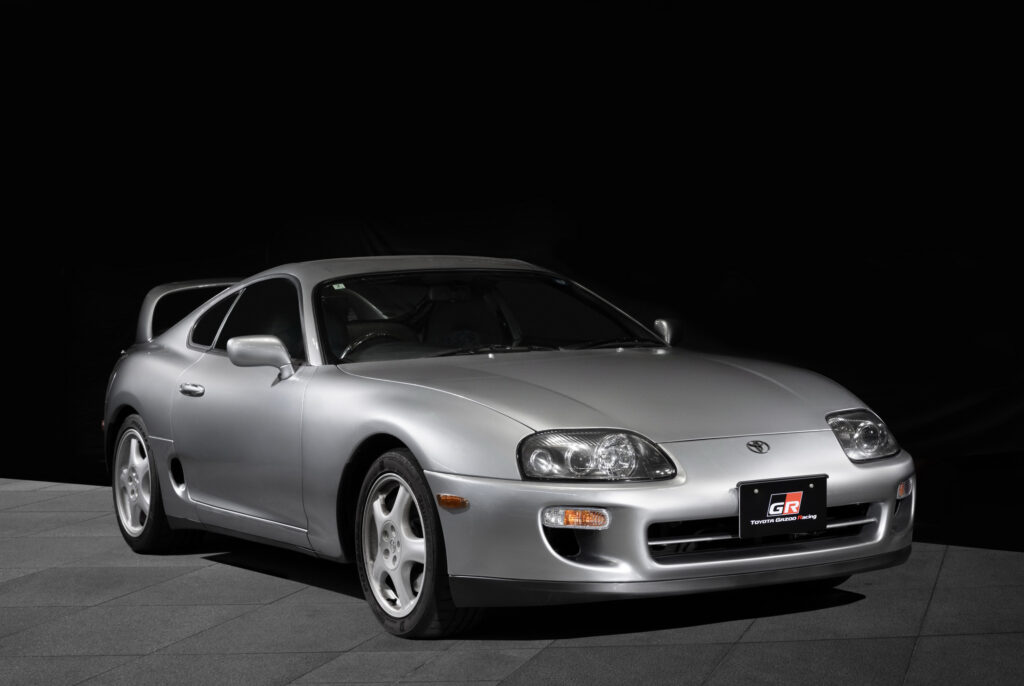
The new dashboard panel for the A80 Supra will be available through GR Garage locations, Toyota dealers, and approved parts outlets in Japan, where installation services are also expected. Information about availability in other markets is not yet available, but given the global popularity of the Mk4 Supra, demand will undoubtedly extend far beyond Japan.
To date, this is just one of several hundred parts available under Toyota’s heritage program. Some parts have been updated using modern manufacturing technologies, but Toyota strives to preserve the original look and fit where possible. This applies to parts for the Corolla AE86 and even earlier generations of the Supra itself. For owners trying to keep these cars on the road, the program undoubtedly holds immense value.

This step highlights a growing trend in the automotive industry, where supporting classic models is becoming not just a matter for enthusiasts but also part of manufacturers’ official strategy. The recreation of precisely the interior parts that suffer the most from time can significantly impact the collector car market, increasing both their durability and investment appeal. The success of such an initiative for an icon like the Supra MkIV could pave the way for similar programs for other iconic models of the past.