


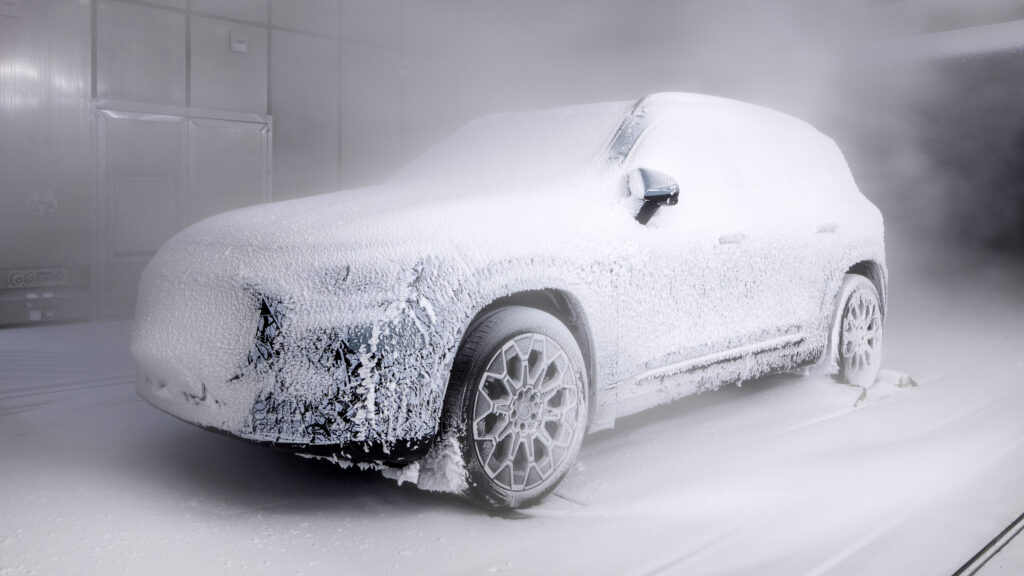
The Norwegian winter mercilessly tests the endurance of everything, including modern electric vehicles. Recently, 24 state-of-the-art electric cars underwent one of the toughest range tests in the harsh conditions of a Scandinavian February freeze. The results were mixed: some models showed impressive resilience, while others significantly lost their claimed range.
Extreme Testing Conditions
The testing, conducted by the Norwegian publication Motor as part of their winter El Prix program, aimed to measure how severe cold affects real-world range. The route was predetermined, and the air temperature dropped to a record -31°C, which is much lower than in previous tests.
These conditions may seem extreme to most of the planet’s population, but they are the perfect stress test for the technology.
Each car drove the set route until it lost the ability to maintain the set speed due to complete battery depletion.
Absolute Distance Leaders
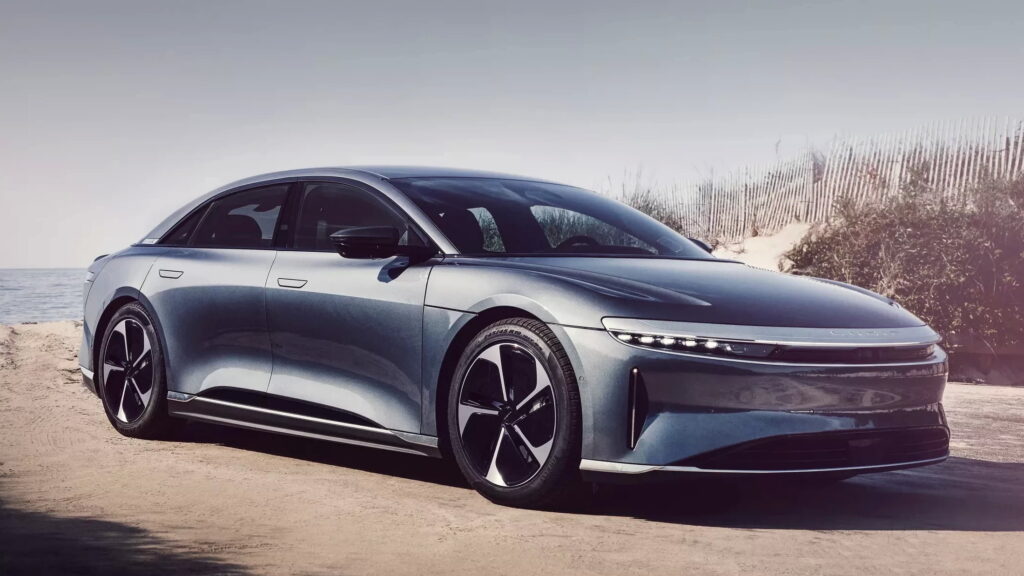

The highest claimed range among the participants was that of the Lucid Air — 960 km. In the winter test, this model traveled 520 km, which, although the best result, is still 46% less than the official figures.
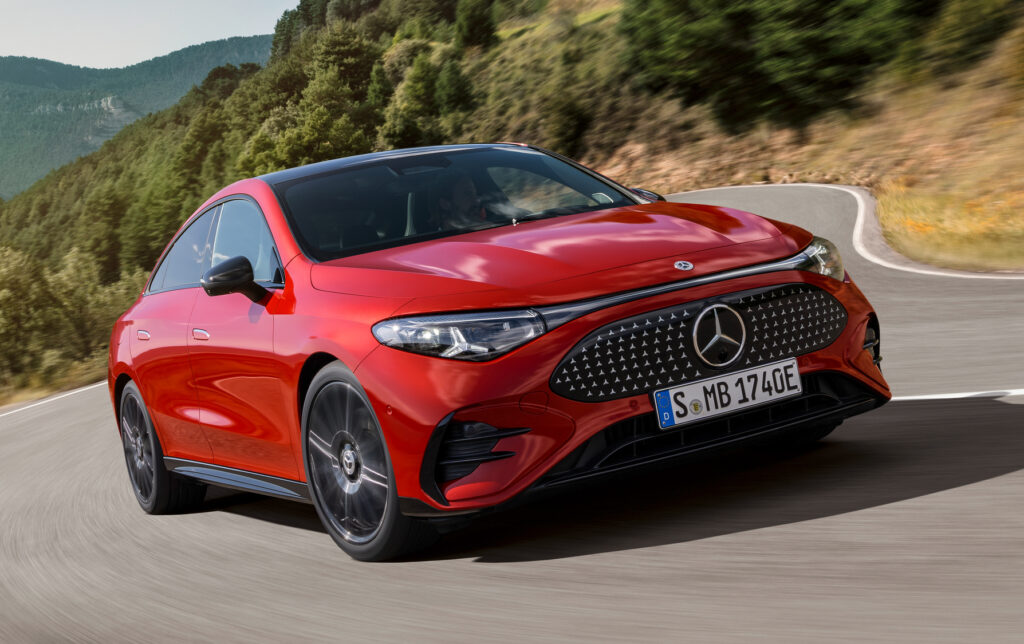
The Mercedes-Benz CLA also showed a good result, covering 421 km, which is 41% less than the claimed 709 km. The leaders also included the Audi A6 (402 km), BMW iX (388 km), and Volvo ES90 (373 km).
Efficiency Champions

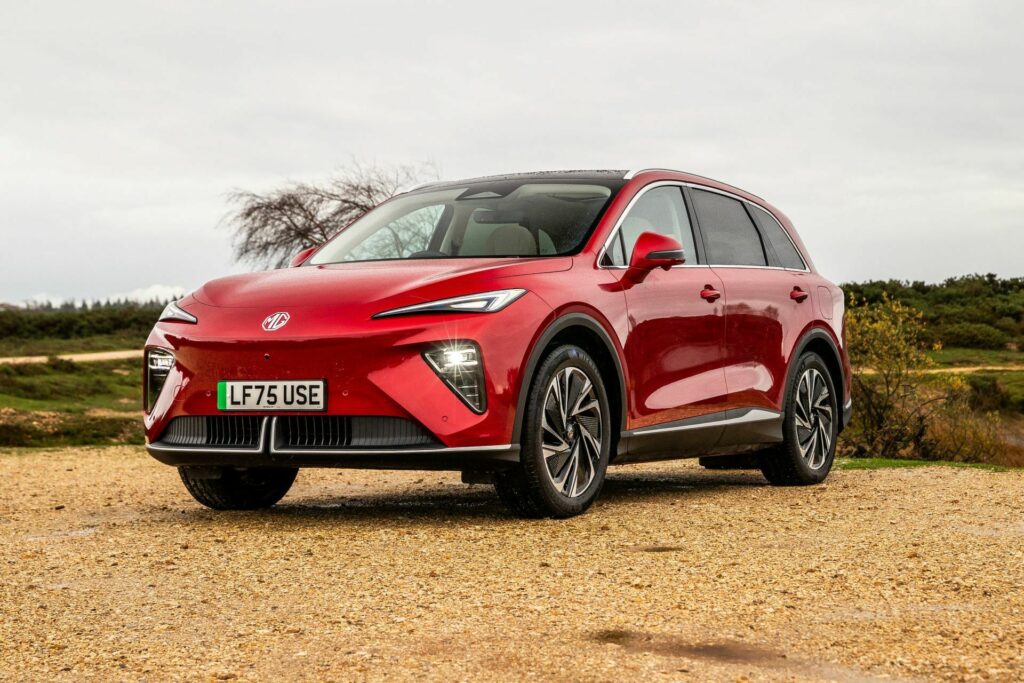
However, the most telling is not the total distance, but the percentage of range loss in the cold. According to this indicator, the leaders were the MG 6S EV and Hyundai Inster, which lost only 29% of their official WLTP data, traveling 345 km and 256 km respectively.
Another MG model, namely the IM6, showed a loss of 30%, and the KGM Musso pickup — 31%. This indicates fairly high efficiency of these cars’ systems in cold weather.
The Biggest Losses

At the other end of the scale were the models with the largest performance drop. The Opel Grandland showed the same loss as the Lucid Air — 46%. The Volvo EX90 lost 45% of its range, and the Tesla Model Y and Suzuki eVitara — 43% each. The Skoda Elroq and Mercedes CLA also showed a significant drop — 41% each.
Detailed Test Results
The table below summarizes the test results of 24 electric cars in the Norwegian winter:
- Lucid Air: Claimed 960 km, actual 520 km, loss 46%.
- Mercedes CLA: Claimed 709 km, actual 421 km, loss 41%.
- Audi A6: Claimed 653 km, actual 402 km, loss 38%.
- BMW iX: Claimed 641 km, actual 388 km, loss 40%.
- Volvo ES90: Claimed 624 km, actual 373 km, loss 40%.
- Volvo EX90: Claimed 611 km, actual 339 km, loss 45%.
- Tesla Model Y: Claimed 629 km, actual 359 km, loss 43%.
- Hyundai Ioniq 9: Claimed 600 km, actual 370 km, loss 38%.
- Kia EV4: Claimed 594 km, actual 390 km, loss 34%.
- Ford Capri: Claimed 560 km, actual 339 km, loss 40%.
- Xpeng X9: Claimed 560 km, actual 361 km, loss 36%.
- Mazda 6e: Claimed 552 km, actual 348 km, loss 37%.
- Zeekr 7X: Claimed 541 km, actual 338 km, loss 38%.
- Smart #5: Claimed 540 km, actual 342 km, loss 37%.
- Skoda Elroq: Claimed 524 km, actual 309 km, loss 41%.
- MG IM6: Claimed 505 km, actual 352 km, loss 30%.
- MG 6S EV: Claimed 485 km, actual 345 km, loss 29%.
- Opel Grandland: Claimed 484 km, actual 262 km, loss 46%.
- VW ID. Buzz: Claimed 449 km, actual 277 km, loss 38%.
- Changan S05: Claimed 445 km, actual 293 km, loss 34%.
- Voyah Courage: Claimed 440 km, actual 300 km, loss 32%.
- Suzuki eVitara: Claimed 395 km, actual 224 km, loss 43%.
- KGM Musso: Claimed 379 km, actual 263 km, loss 31%.
- Hyundai Inster: Claimed 360 km, actual 256 km, loss 29%.
These results clearly demonstrate that cold remains a serious challenge for electric vehicles, regardless of their price or brand prestige. Interestingly, some not-the-newest and not-the-most-expensive models showed better resilience to low temperatures than their more technologically advanced competitors. This may indicate different engineering approaches to battery thermal management and overall system energy efficiency. For drivers in regions with harsh winters, this data is an important guideline, showing that official range figures always require adjustment based on real operating conditions.