


A New Wave of Car Thefts: Instead of Catalytic Converters, Criminals Are Stealing Radar Sensors
Not so long ago, the US experienced a real epidemic of catalytic converter thefts, when criminals would steal them from under cars in broad daylight. Now thieves’ attention has shifted to expensive radar systems equipped in modern cars. These components can be extracted in a matter of seconds and then resold for hundreds of dollars.
Modern cars, which increasingly rely on driver-assistance systems, have essentially turned into moving platforms with sensors, and this equipment has real value.
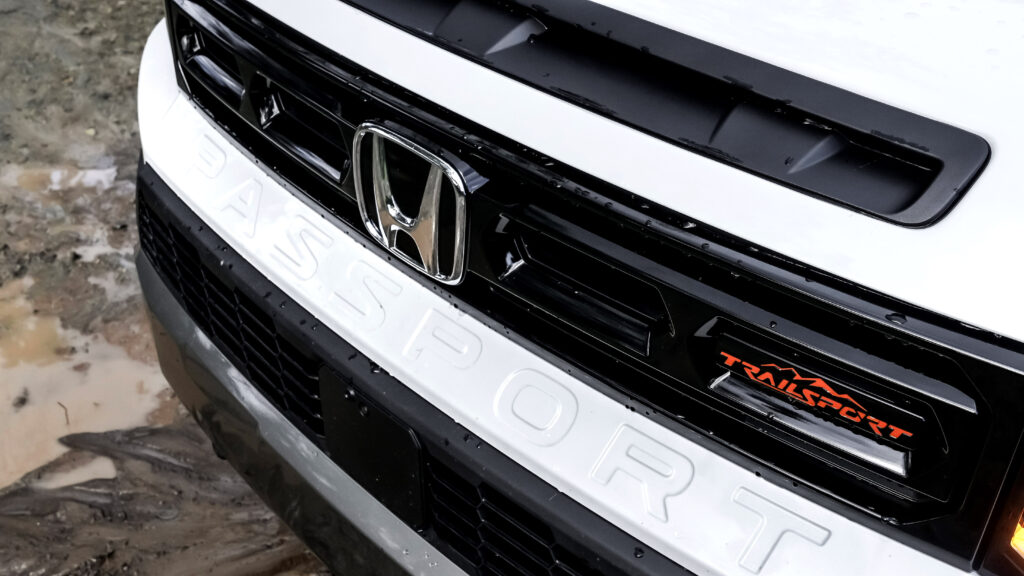
The theft of automotive radars has become a particularly serious problem in New York, specifically in the Bronx. Many new cars, especially brands like Honda, Hyundai, Mazda, and Mercedes-Benz, have small radar sensors located behind the front emblems. Stealing them is incredibly easy.
Easy Prey in Plain Sight
As shown in a video by a TikTok user who calls himself “Mr. Don’t Park in the Bronx,” all a thief needs is to slip a flathead screwdriver behind the emblem and pop it off, exposing the radar. Demonstrating this on his own 2024 Honda Accord, he quickly removes the sensor for safekeeping. Thieves use the same method, but with less noble intentions, taking sensors from unsuspecting owners and reselling them.
@lynxalwaysright The troubles of parking your #2024 #Honda #Accord in #TheBronx Thank me later!!! #NYC #hondaaccord #hondacivic #fyp #foryoupage ♬ original sound – LYNXALWAYSRIGHT
Why Radar Sensors Attract Thieves
Speaking with Road & Track, Yonkers Police Department specialist detective Max Goldberg said that car radar thefts gained popularity during the COVID-19 pandemic. In many cases, groups work together to remove the sensors and then sell them to repair shops.
He noted that certain models, especially Hondas, are frequent targets because their sensors are often secured only with basic plastic clips. Other brands may also place the radar behind the emblem, but the process of removing it can be more complex, making them less attractive for a quick theft.
“We really see a lot of auto parts thefts—whether it’s airbags, sensors, or something else,” he said. “Specifically, sensors are a low-risk, high-reward crime for a suspect. They sell well; all the shops, especially in the Bronx, need them. They don’t really care where they come from, and to pull the sensor out, all you need is a flathead screwdriver. Even if the housing around the sensor cracks, that housing is very cheap; the sensors are what’s important.”
Protective Covers Appear on the Market
Given how common these thefts have become, some companies have started developing protective covers for sensors equipped with anti-theft screws.
Goldberg believes a more effective long-term solution would be an initiative from the automakers themselves. He suggests that manufacturers develop systems that automatically deactivate after being removed from the car. If the hardware is rendered useless after theft, it would undermine the black market instantly.
A Nationwide Problem
These thefts are not only happening in New York. Police in Washington report an increase in radar sensor theft cases across the country. Baltimore police, speaking with WUSA9, stated that in the last month, eight such thefts were registered in the city’s Southeast District, and likely many more went unreported.
This trend indicates the constant evolution of automotive crimes, where criminals quickly adapt to new technologies and sales markets. While manufacturers try to make cars smarter and safer for drivers, they inadvertently create new value for the criminal world. Protection against such thefts requires a comprehensive approach: from improving the physical mounting of components by automakers to more vigilant attention from law enforcement to the supply chains of stolen parts. For car owners, this is also a signal about the need for increased caution, especially in urban areas where such incidents have become frequent.