 by
by Fuel Prices Have Risen Sharply
The national average price per gallon of gasoline has approached the $4 mark, which is approximately 35% higher than a month ago. Such a sharp jump in a short period is forcing drivers to look for ways to save money.
While this is easier said than done, there are several simple ways to save on refueling. Some of them are minor changes in behavior, others are using discounts that may have gone unnoticed.
Inflate Your Tires and Reduce Speed
On the technical side, drivers should ensure their tires are properly inflated. This is very simple, and underinflated tires can quietly cost you money.
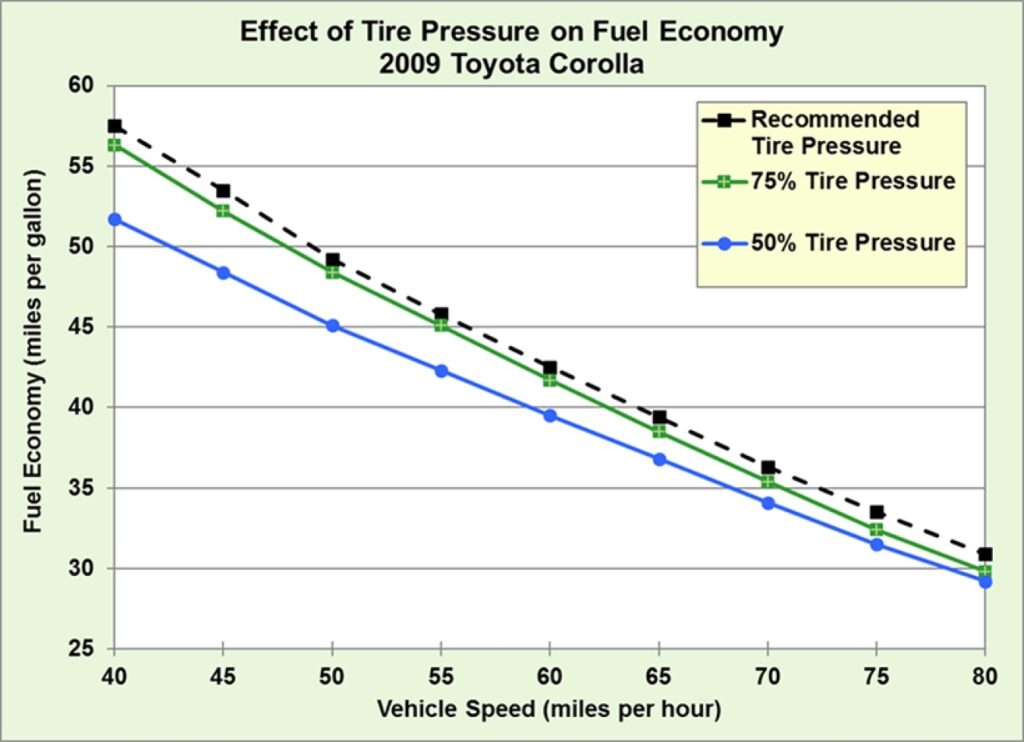
According to the U.S. Department of Energy, testing by the Oak Ridge National Laboratory showed that a Toyota Corolla with tires inflated to 75% of the recommended pressure demonstrated a 2-3% drop in fuel economy. When the pressure was reduced to 50% of the recommended level, fuel economy fell by 5–10%.
Another simple solution is to change your driving style. While hypermiling is probably too extreme for most people, smooth acceleration and maintaining speed can improve fuel efficiency. It’s also a good opportunity to get rid of unnecessary items in the car, as weight is the enemy of economy.
Plan Ahead, But Perhaps Avoid Apps
A little planning can help significantly and reduce the number of trips. Instead of going to the hardware store and supermarket on different days, you can combine errands into one trip and avoid an unnecessary journey.
Drivers can also compare fuel prices without even leaving home. GasBuddy is one of the extremely popular ways to do this, but it might be better to use their website instead of the app.
Lawsuits alleged that insurance companies – including Allstate – paid developers millions of dollars to integrate their software suite into apps. This reportedly allowed them to collect a vast amount of information, including “geolocation data, accelerometer, magnetometer, and gyroscope data, which track details such as phone altitude, longitude, latitude, azimuth, GPS time, speed, and accuracy.”
Reportedly, this cost customers money in the long run, as Allstate allegedly used this information when people requested an insurance quote or had to renew their insurance. This ranged from denying coverage to justifying higher insurance premiums. Among the apps named in the lawsuit were GasBuddy, Fuel Rewards, and SiriusXM.
Fuel Discounts for Amazon Prime and Walmart+
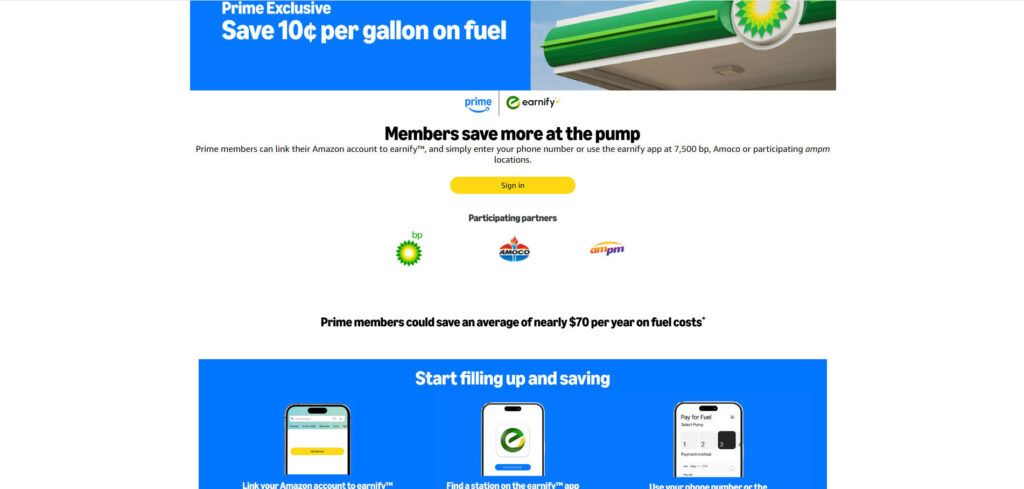
While most of these recommendations are familiar and understandable, there are a few ideas people often overlook. One of the biggest is that Amazon Prime customers can save 10 cents per gallon at approximately 7,500 Amoco, ampm, and BP gas stations.
To do this, Prime members need to link their Amazon account to Earnify and find a participating station. The retail giant suggests this simple step could save drivers about $70 per year.
Walmart+ customers also receive a similar 10-cent discount at Exxon, Mobil, Murphy, and Walmart stations. They can also get fuel at member prices at Sam’s Club, which, like Costco, is known for cheap fuel.
Loyalty Programs
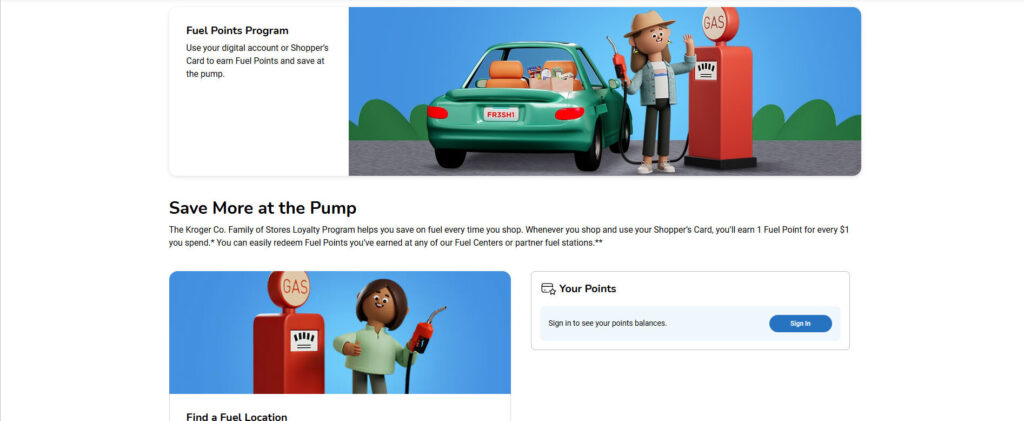
Another reliable way to save on fuel is to take advantage of existing loyalty programs. Kroger Plus is a great example of a free membership that allows you to earn fuel points for every dollar spent in their stores.
This can save drivers up to $1 per gallon. I recently saved 30 cents by refueling over the weekend. It may not sound very convincing, but it’s hard to find a better deal than paying $3.46 per gallon.
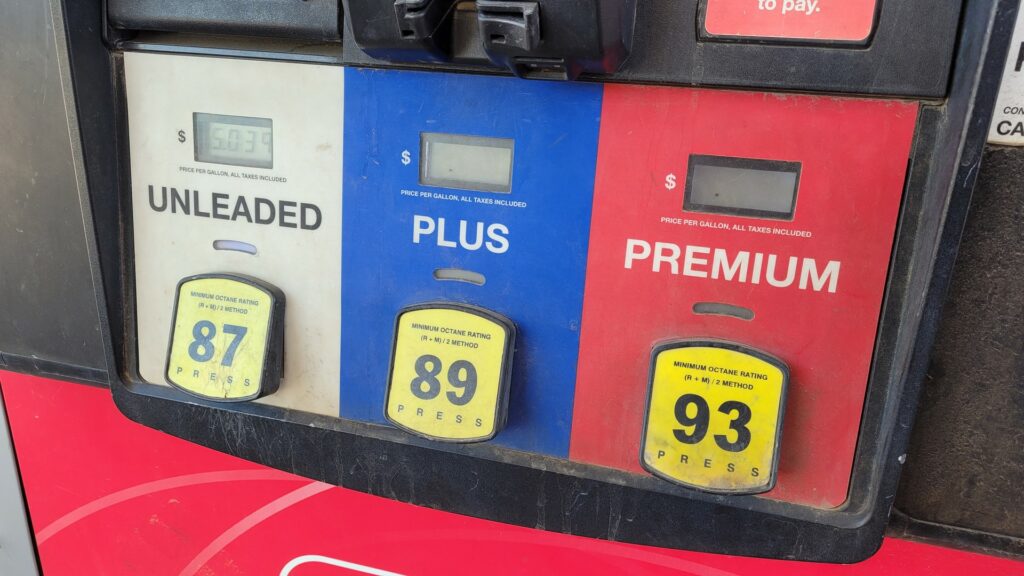
The current rise in fuel prices highlights the importance of adapting both the technical condition of the car and everyday habits. Savings often lie in the details: from tire pressure to the hidden benefits of already paid subscriptions. Participants in various loyalty programs, especially those associated with large retail chains, can receive significant benefits that become particularly noticeable precisely during periods of sharp market fluctuations. This situation also reminds us of the trade-off between the convenience of mobile apps for finding cheap fuel and potential privacy risks, which can affect other financial aspects such as insurance.