 by
by Honda to Export Electric Vehicles from China to Japan
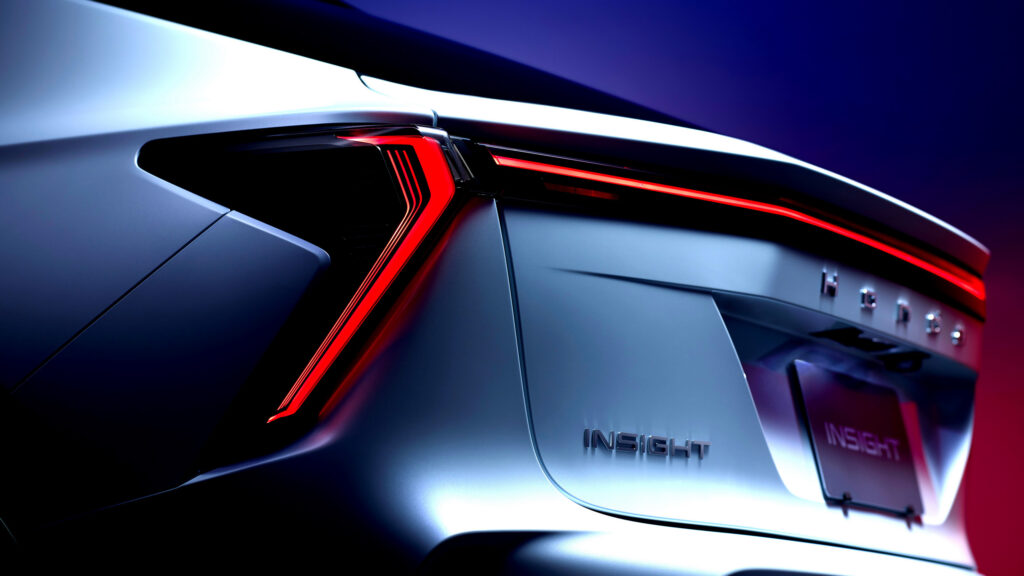
The Japanese automaker Honda plans for the first time to export electric vehicles manufactured in China to its domestic market – Japan. This decision was made despite the fact that the company’s joint developments with the Chinese Dongfeng did not achieve the expected success in China itself. One of the first models to reach Japan will be the e:NS2, which will receive the well-known name Insight there, previously used for Honda’s hybrid models.
The Specifics of Japan’s Electric Vehicle Market
The fully electric vehicle market in Japan remains rather sluggish. Despite the global rise in EV popularity, in Japan they account for less than 2% of total new car sales. A significant share falls on compact city models like the Honda N-One e: and N-Van e:. Therefore, importing Chinese EVs may prove to be a challenging task for the company.
Plans for Future Deliveries
So far, only deliveries of the model named Insight have been officially confirmed. However, according to Nikkei Asia, in the future other models from the Chinese e:N line, which were developed jointly with GAC, may also be adapted for Japan. These cars differ from the Ye series, which Honda also sells in China.
Technical Specifications of the Insight Model (formerly e:NS2)
The car is built on the e:N Architecture F platform. It is equipped with a 68.8 kWh battery from CATL and a front electric motor with 201 hp. According to estimates based on the Chinese CLTC cycle, the range is about 545 km. For the Japanese market, where the WLTC standard is used, this figure officially stands at 311 miles (approximately 500 km).
Honda plans to sell only 3,000 units per year locally in Japan, so it does not intend to take over Japanese roads.
Features and Equipment for Japan
Key details of the Japanese version include LED optics with an illuminated Honda logo, flush door handles, and standard 18-inch wheels. The car offers four driving modes: Sport, Normal, Econ, and Snow. Sport mode also adds synthetic sound effects, and the Agile Handling Assist system improves handling.
Interior and Comfort
The interior combines familiar elements, as in models for Western markets (for example, the steering wheel), with features typical for EVs developed in China. The simple instrument panel is dominated by a large central multimedia screen. Options and equipment include a panoramic sunroof, customizable ambient lighting, leather seats, a 12-speaker Bose audio system, and a digital rearview mirror with a built-in dashcam.
This move by Honda can be seen as an attempt to use its capacities in China to test the domestic market’s readiness for more serious electric models, different from micro-cars. The limited annual sales plan of 3,000 cars indicates a cautious approach. The success of this initiative could become an indicator not only of the competitiveness of Honda’s Chinese production lines but also of the real demand for EVs among Japanese consumers outside the mini-car segment. At the same time, the revival of the Insight name for an electric model is an interesting marketing move that brings back to the market a name associated with fuel efficiency innovations.