 by
by Today, frameless windshield wipers have transformed from a rare alternative into one of the most popular options. Manufacturers are increasingly installing frameless models at the factory, which encourages owners of older cars to upgrade by replacing frame-type blades with modern versions. To assess the feasibility of replacement, it’s worth learning about their design, advantages, and limitations.
Design and Operating Principle of Frameless Wipers
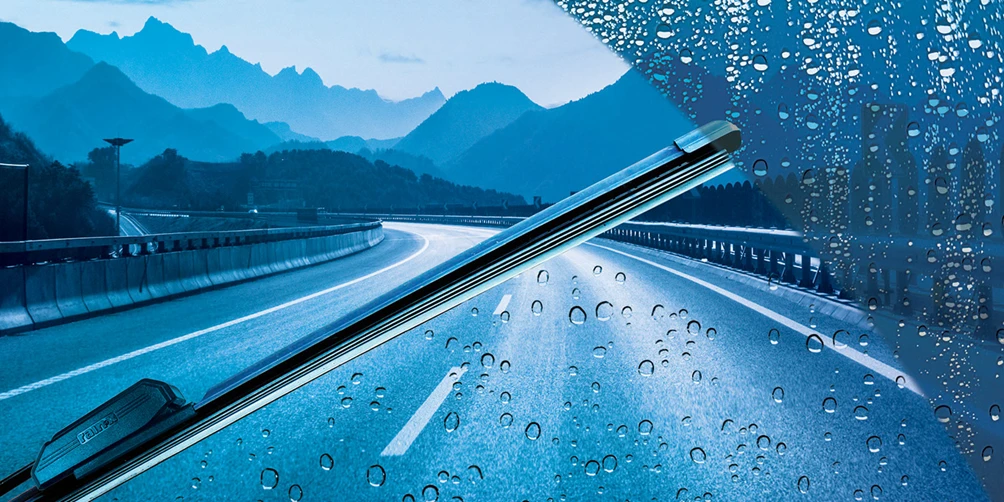
Frameless wiper blades fundamentally differ from classic models by the absence of a metal frame with hinges. Instead, they use a flexible, resilient plate that evenly distributes pressure along the entire length of the wiper. Key design features:
- absence of movable hinge joints;
- uniform pressure along the entire length of the blade;
- built-in aerodynamic spoiler;
- flexible base that conforms to the shape of the windshield;
- reduced number of wear-prone elements.
Thanks to their design, frameless wipers fit more tightly against the glass and operate stably at high speeds. The model is designed for uniform cleaning and reduced vibration.
Why Drivers Are Massively Switching to Frameless Wipers
The rise in popularity is associated with reliable operation and less dependence on external conditions. Reasons for increased demand:
- stable cleaning across the entire glass surface;
- less noise compared to frame-type models;
- maintained effectiveness at highway speeds;
- modern appearance;
- reduced sensitivity to icing.
Frameless wipers ensure comfortable driving in any conditions.
Main Advantages and Disadvantages of Frameless Wipers
The advantages of the frameless design are clearly evident in harsh weather conditions and during intensive vehicle use. Pros:
- uniform pressure without gaps;
- absence of jamming and play;
- reduced noise level;
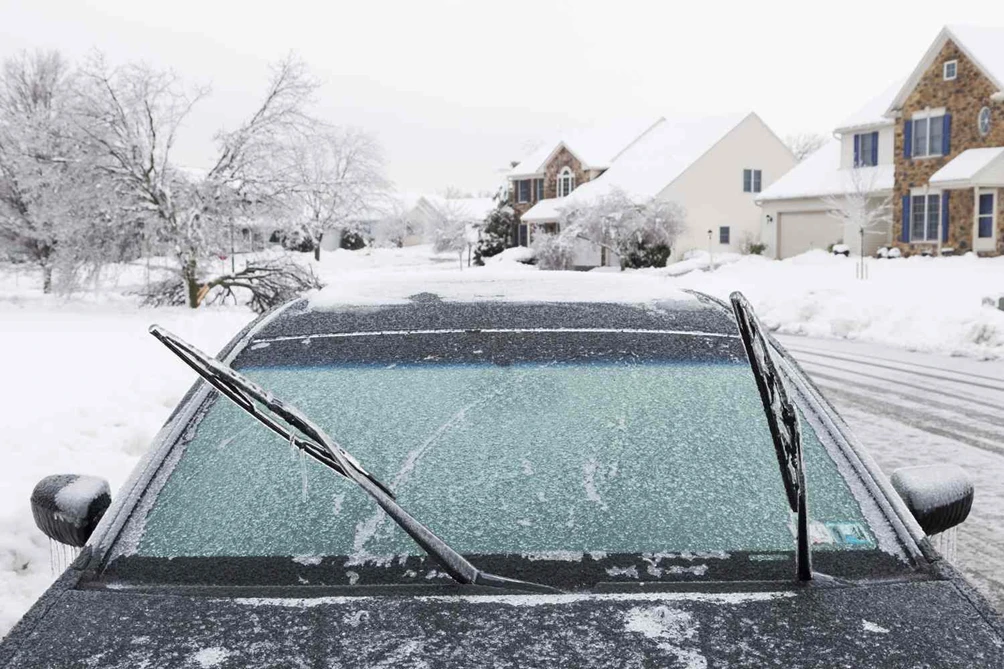
- resistance to snow and ice;
- improved aerodynamics at speed.
Due to the absence of hinges, the wiper remains flexible in winter – it doesn’t start “jumping” on the glass in the cold. Among the disadvantages are higher cost compared to frame-type models, sensitivity to the shape and condition of the glass, and dependence of quality on the brand. On cars with complex windshield geometry, cheap frameless wipers often perform worse than frame-type ones.
Myths About Frameless Wipers
The popularity of the model has given rise to misconceptions. Common myths:
- “Frameless wipers fit all cars.” In reality, windshield geometry matters.
- “Frameless blades always last longer.” Their lifespan depends on rubber quality and operating conditions.
- “They never squeak.” In fact, squeaking is possible when driving on dirty glass or using low-quality washer fluid.
Frameless wipers are a tool for specific conditions. Thanks to stable operation in any weather, low noise levels, and better adaptation to modern cars, frameless blades justify the demand for them.