 by
by The automotive industry continues to demonstrate dynamic changes, and the results of 2025 are a vivid confirmation of this. Here are the key points:
A Historic Event for the Chinese Auto Industry
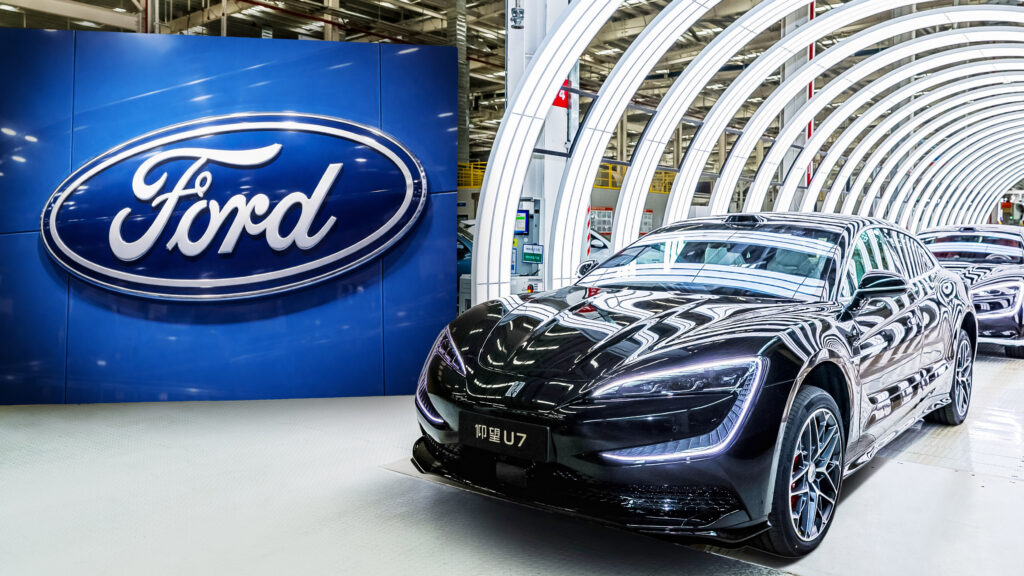
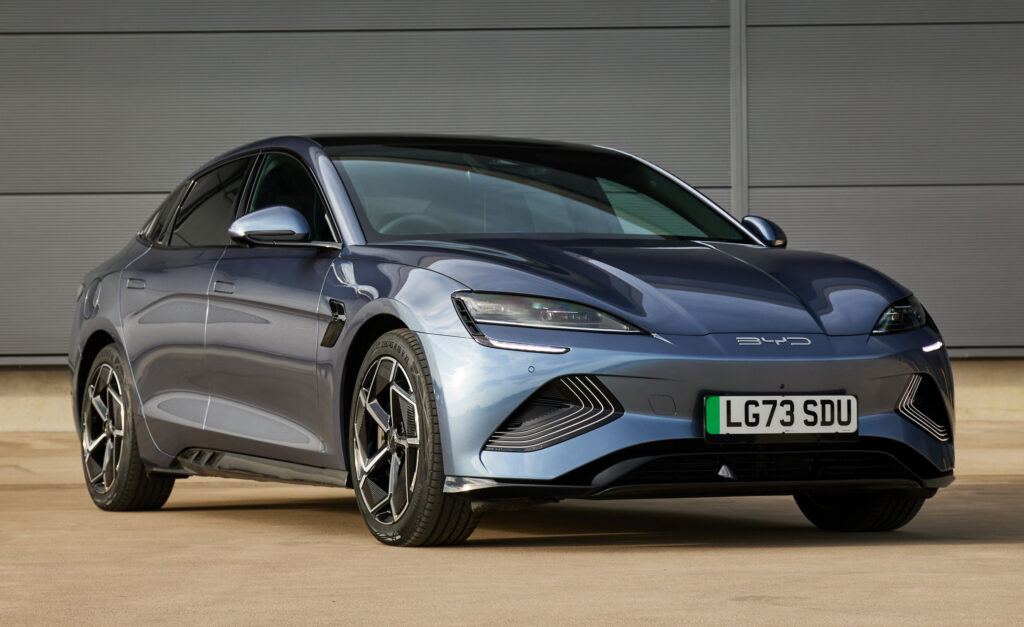
Against the backdrop of the industry’s overall development, BYD’s growth in 2025 slowed somewhat. However, the brand still posted its best-ever result, allowing it to solidify its position as the world’s sixth-largest automaker. Even more significant is the fact that for the first time, a Chinese brand has surpassed the American giant Ford in terms of global sales volume. Just a few years ago, such a scenario would have seemed unlikely.
BYD sold 4.6 million cars worldwide. This is 7.7 percent more than the previous year and allowed the company to rise from seventh to sixth place among the largest automakers.
In contrast, Ford’s sales fell by 2 percent, to 4.4 million units. This moment is particularly uncomfortable for the American company, given that its traditional competitor, General Motors, on the contrary, increased sales by 6.8%, to 6.18 million cars.
Ford’s Problems and the Chinese Market
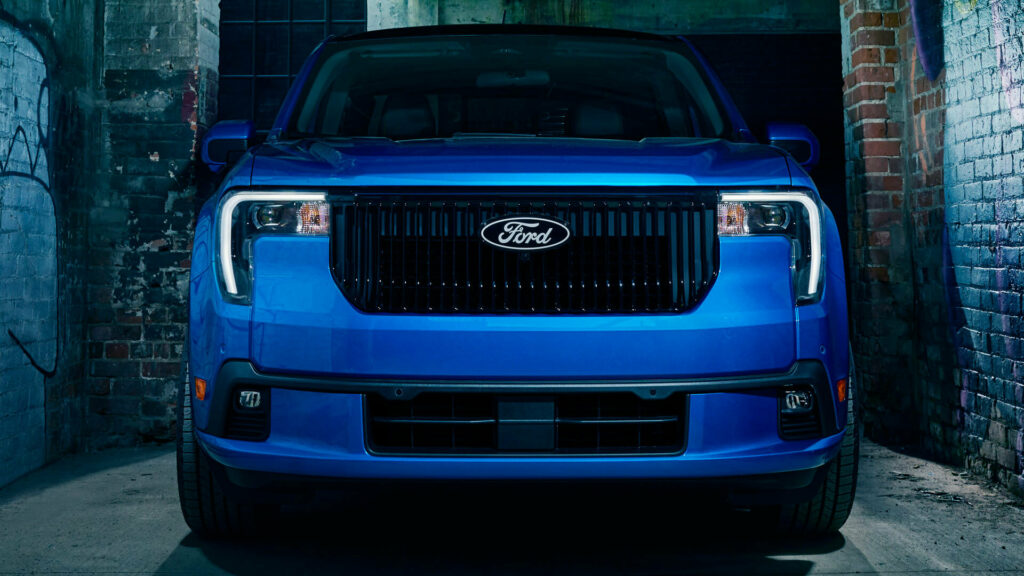
Despite some successes in its home US market, Ford continued to lose ground in Europe and, crucially, in China itself. Local manufacturers such as BYD, Xiaomi, and Geely are actively taking market share by offering competitively priced and technology-packed electric vehicles. At the same time, Ford is experiencing a difficult transition to electric power, which has already led to write-offs of $19.5 billion in the process of strategy adjustment.
Exports as the Key to Growth
China remains the largest and most important market for BYD. However, in 2025, the company significantly increased exports, shipping 1.05 million cars abroad thanks to expansion into the markets of Europe, South America, and Asia. This figure is expected to continue growing, potentially reaching 1.3 million units this year.
International growth is becoming increasingly important for BYD, as demand for its electric vehicles and hybrids in China is cooling. For example, domestic market sales in January were only 205,518 cars, significantly less than the 300,538 units in January 2025. Sales of fully electric models fell from 125,377 to 83,249, and hybrids from 171,069 to 122,269.
Global Automaker Ranking
The overall picture of global car sales in 2025 looks as follows:
- 1. Toyota — 11.32 million
- 2. Volkswagen — 8.98 million
- 3. Hyundai-Kia — 7.28 million
- 4. General Motors — 6.18 million
- 5. Stellantis — 5.48 million
- 6. BYD — 4.60 million
- 7. Ford — 4.40 million
- 8. Geely Group — 4.12 million
- 9. Honda — 3.52 million
- 10. Nissan — 3.2 million
The sharp drop in sales of new energy vehicles in China may be partly related to the government’s reinstatement of a 5% purchase tax, which was abolished more than ten years ago.
Industry Leaders
As previously reported, Toyota retained the title of the world’s largest automaker for the sixth consecutive year. The conglomerate, including the Lexus, Hino, and Daihatsu brands, sold 11.32 million cars, staying ahead of Volkswagen, whose sales slightly fell by 0.5%, to 8.98 million. The Hyundai Kia group took third place with a result of 7.28 million cars sold.
Changes in the global car sales ranking for 2025 clearly illustrate the strengthening positions of Asian, particularly Chinese, manufacturers. The success of BYD, which not only entered the top 6 but also surpassed Ford, indicates a deep market transformation. This points to the fact that the center of gravity in the automotive industry continues to shift, and technological innovation and aggressive export policy are becoming decisive factors in the fight for the global consumer. At the same time, traditional leaders face the need for rapid and often painful adaptation to new conditions, especially in the context of the electric revolution and the loss of share in key growing markets.