 by
by U.S. Supreme Court Overturns Series of Former President Trump’s Tariffs
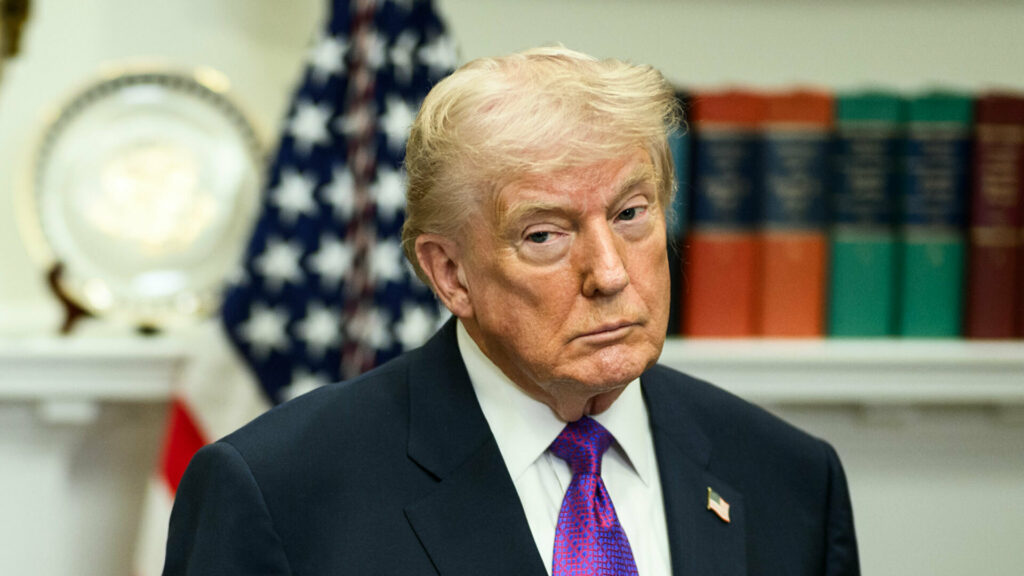
The Supreme Court of the United States has ruled illegal and overturned most of the tariffs imposed by the administration of former President Donald Trump. This decision concerns duties levied on imports from China, Canada, Mexico, and other countries. The automotive industry is likely to experience some relief, however, it may prove temporary.
Constitutional Grounds for the Decision
The tariffs were a key element of Trump’s economic policy, but many questioned their legality, as the president acted almost unilaterally. Following a series of lawsuits, the Supreme Court issued a ruling. In a 170-page verdict, the court examined the International Emergency Economic Powers Act and the president’s authority to impose tariffs. This came after Trump imposed a 25% tariff on most imported goods from Canada and Mexico, and a 10% tariff on Chinese imports, citing the fight against drug trafficking.
Chief Justice John Roberts noted that the Constitution clearly states that “Congress shall have Power To lay and collect Taxes, Duties, Imposts and Excises.” Earlier decisions confirmed that this includes setting tariffs, and “the Framers of the Constitution did not vest any part of the taxing power in the Executive Branch.”
Historical Context and Scale of the Precedent
The justices also pointed to the lack of historical precedent for such actions.
“It is telling that in the half-century of the International Emergency Economic Powers Act’s existence, no president has used that statute to impose any tariffs, let alone tariffs of this scale and scope,” the Supreme Court noted.
The Supreme Court added that this lack of precedent, combined with “the breadth of authority the president claims, indicates that the tariffs exceed the president’s lawful authority.”
Implications of the Decision and Possible Workarounds
The decision is complex, but, according to NBC News, the court ruled 6-3 that the president did not have the authority to impose tariffs under the International Emergency Economic Powers Act. This decision nullifies many of Trump’s tariffs, but not all. Furthermore, the administration may attempt to circumvent the verdict by using other laws to reimpose duties.
Business and Union Reaction
The news caused a worldwide stir. A coalition of over 800 small businesses, “We Pay Tariffs,” called on the government to immediately pay compensation to companies. In a letter to Congress and the president, they stated that this is “not a partisan issue,” as “every dollar returned to small business is a dollar invested back into American communities.”
IAM union president Brian Bryant welcomed the decision.
“Arbitrary, snap tariff decisions—especially those targeting close allies like Canada—create uncertainty that threatens jobs in interdependent industries like aerospace and manufacturing, raises prices for consumers, and makes planning difficult for businesses and workers,” he said.
Position of Canadian Unions
The Canadian union Unifor noted that the court resorted to “a legal rebuke of presidential overreach,” but this decision “does nothing to resolve the ongoing trade crisis threatening Canadian jobs and key industrial sectors.” They added that “national security tariffs under Section 232 on autos, steel, aluminum, and lumber remain fully in force and could be expanded at any time.”

Future Prospects for Consumers
Other groups are also expected to voice their opinions, but the removal of the tariff burden will be good news for business. However, it remains unclear whether the savings companies receive will be passed on to consumers, and whether the administration will attempt to reimpose duties by other means. The question of whether this court decision will lead to a sustained decrease in prices for goods like cars remains open, as manufacturers may be cautious about pricing changes, awaiting further government steps. The political battle around trade and Congressional sovereignty in this area is likely to continue, sustaining an atmosphere of uncertainty in global markets.