 by
by Partial Market Opening
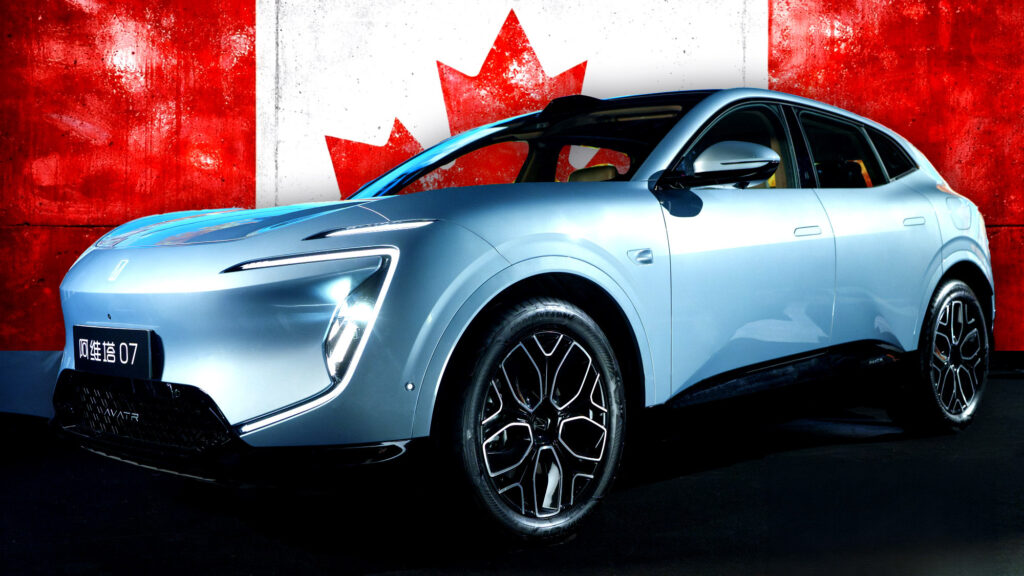
Canada is preparing to partially open its doors to Chinese-made electric vehicles. In the coming months, it will begin issuing import permits at a sharply reduced customs duty rate. However, one should not expect the market to be instantly flooded with new innovative electric cars, as has happened in some regions of Europe and Australia.
Terms of the New Deal
Under Canada’s new trade deal with China, up to 49,000 electric vehicles manufactured in China can be imported at a reduced duty rate of 6.1%, which is significantly lower than the 106.1% rate set in 2024.
Global Affairs Canada stated in an import control notice published on February 26 that from March 1 to August 31, the first 24,500 permits will be allocated on a “first-come, first-served” basis.
Given that only six weeks have passed since the announcement of the duty reduction, automakers seeking to enter the Canadian market for the first time are unlikely to secure a significant share of these initial permits.
Who Will Benefit?
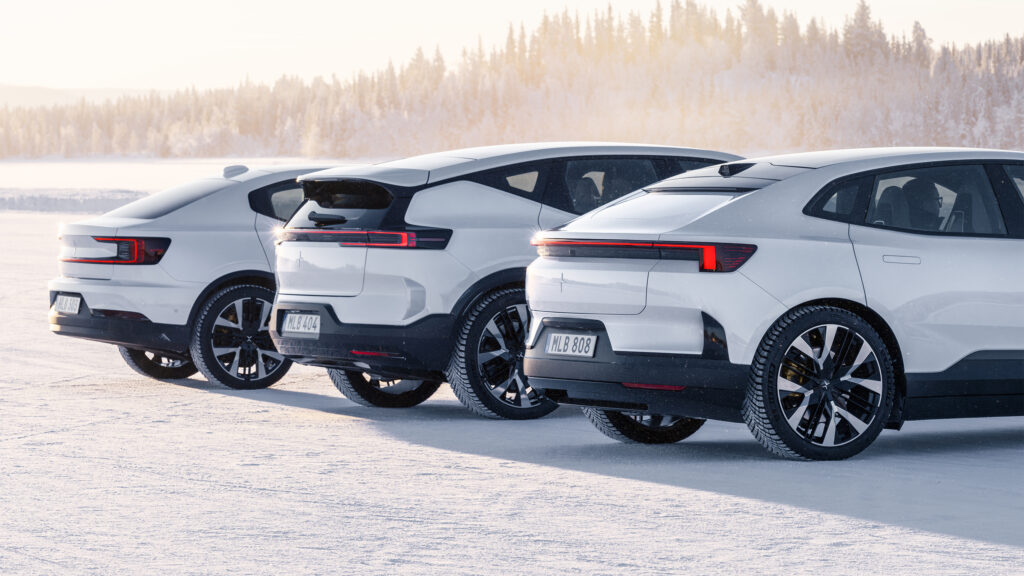
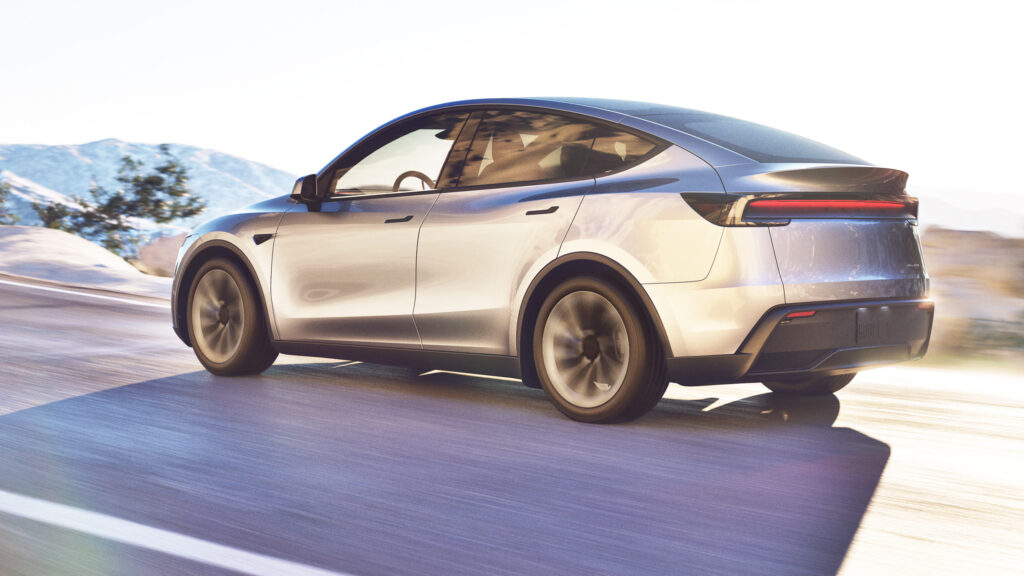
Instead, already established companies are expected to benefit first. For example, Volvo and Polestar exported electric vehicles from China to Canada even before the 2024 duty increase and likely retain production flexibility to resume supplies. Tesla also manufactured electric vehicles for Canada in China before the duties took effect and is considered one of the favorites to receive early permits.
Samantha Lafleur, a spokesperson for Global Affairs, noted in a comment to Auto News that there is no predetermined limit on the number of permits for each automaker, although temporary restrictions may be introduced during the first six months. Lafleur added that the department “will monitor the application and issuance of import permits to ensure equitable access to the quota for eligible applicants.”
Second Phase of Import Quota
A second quota of 24,500 permits will open on September 1, 2026, and will be valid until February 28, 2027. Any permits not used during the first six months will be added to this second allocation period.
Expectations for New Players
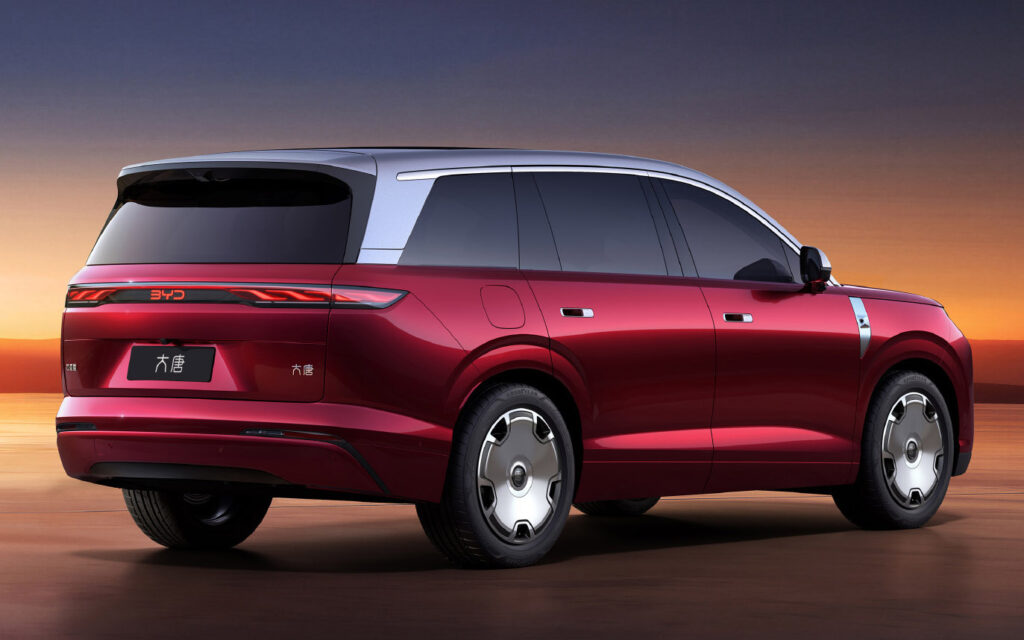
Canadians awaiting the most competitive offerings from China will be closely watching the potential arrival of BYD and Geely, the country’s two largest automakers. As reported by Auto News, BYD has acknowledged it is evaluating sales opportunities in Canada. Geely, in turn, could expand its presence beyond Volvo and Polestar by introducing additional brands such as its namesake marque and Zeekr.
Canada’s move reflects the complex dynamics of the global auto market, where protectionist measures often clash with the pursuit of technological progress and affordability. The gradual implementation of quotas allows for the protection of domestic manufacturers while creating a platform for integrating new, often more affordable, electric vehicle models. The success of this program could serve as an example for other countries balancing market protection with the promotion of transport electrification. The experience of the first six months of permit issuance will show how ready Canadian infrastructure and consumers are for new choices and whether this will lead to a significant reduction in electric vehicle prices in the region.