 by
by Legal Troubles for the New Electric Brand
Volkswagen’s electric brand Scout hasn’t even started truck production yet but has already gathered thousands of pre-orders and a fair share of legal claims.
Two Volkswagen dealers this week filed a class action lawsuit, represented by the law firm Hagens Berman. They allege that the automaker is violating its own dealer agreements by selling Scout vehicles directly to consumers online. The lawsuit was filed in federal court in Virginia and could become a new episode in the long-standing conflict between automakers and franchise dealers.
The dealers allege that Volkswagen created Scout Motors as a workaround to avoid franchise rules. According to the lawsuit, the new company is essentially a dummy structure created to distribute vehicles without the involvement of the traditional dealer network.
Just Another Volkswagen Under a Different Name?
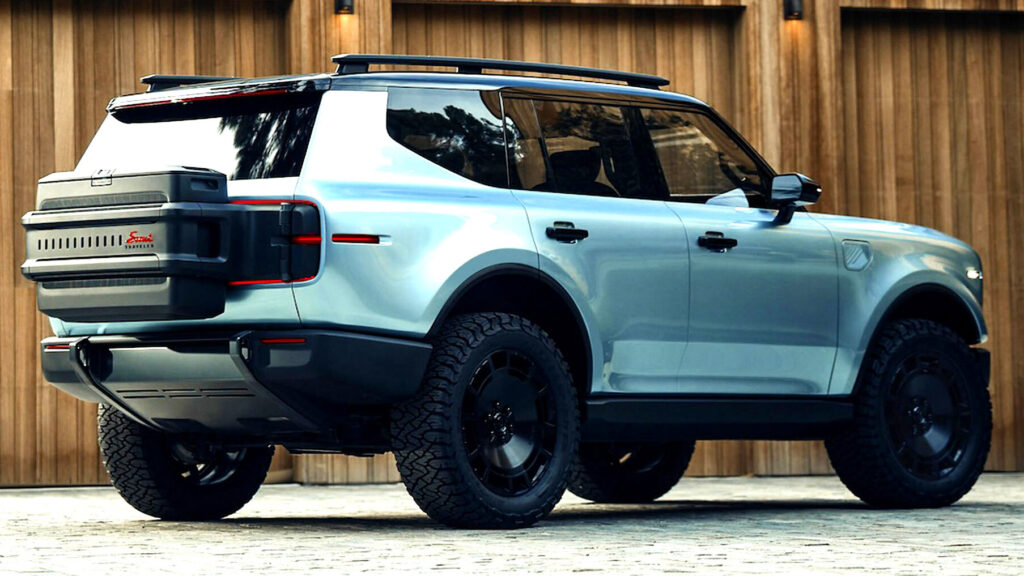
“In reality, Scout is simply a spinoff of Volkswagen,” the lawsuit states, adding that the direct sales plan is a “blatant violation” of Volkswagen’s dealer contracts.
“We believe Volkswagen was fully aware of its legal obligations to its dealership owners when it decided to sell Scout vehicles directly to consumers online,” said Steve W. Berman, managing partner and co-founder of Hagens Berman. “It appears VW broke its own contract with its dealers, the very businesses that service its brand.”
The cases are being led by Sunrise Imports LLC from Long Island, New York, and Curran Volkswagen Inc. from Stratford, Connecticut. They are asking the court to certify this as a class action lawsuit representing Volkswagen dealers across the United States. Their complaint alleges that franchise agreements obligate Volkswagen to sell vehicles through dealers, not directly to customers.
Massive Revenue Losses
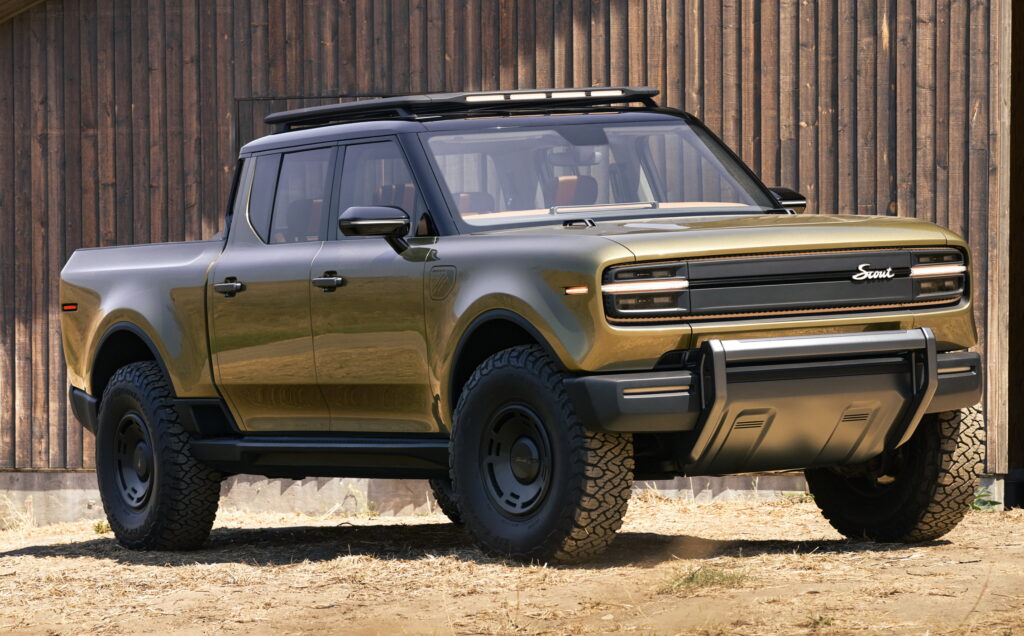
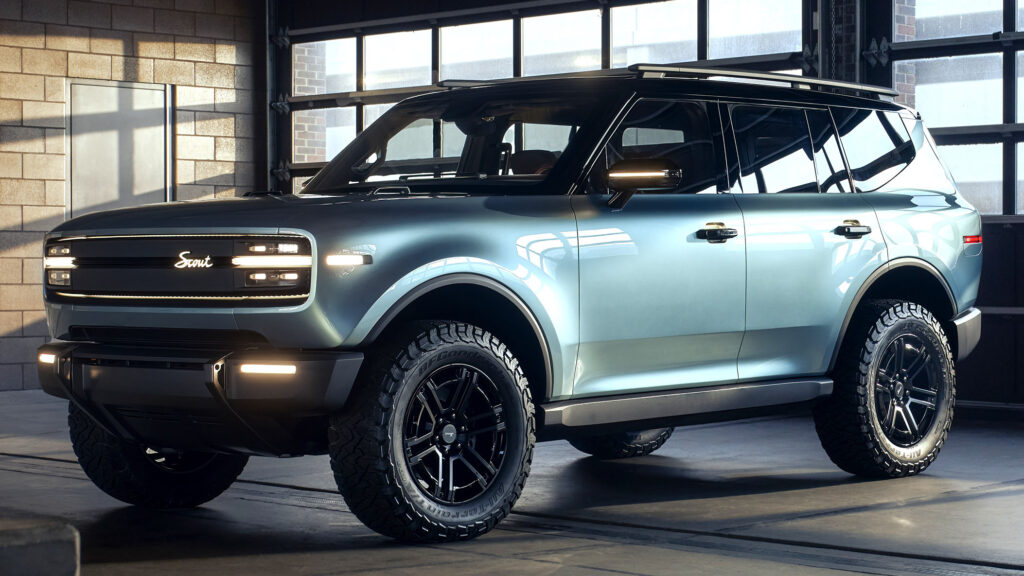
The dealers say the stakes are high. Scout has already accepted over 150,000 reservations for its Terra pickup and Traveler SUV, with production set to begin next year for the 2028 model year. Buyers can reserve a spot in line by paying a deposit online—a system that, according to the dealers, completely bypasses them.
This is a problem because dealers don’t just earn money from vehicle sales. The lawsuit notes that they are also losing opportunities for financing, service, repairs, and future sales when they are excluded from the process.
“They are being deprived of the right and opportunity to sell these advanced vehicles,” the lawsuit states, alleging that this decision could cost dealerships significant revenue.
Defense of the Strategy and Previous Disputes
Volkswagen and Scout have previously defended this strategy, insisting that Scout operates independently from VW’s existing dealer network. Scout executives have argued that the direct sales approach helps launch the brand faster while providing customers with a simpler purchasing experience.
This legal battle is not new. Dealers in states like California, Colorado, and Florida have already challenged Scout’s direct sales model in separate lawsuits. Those cases also question whether the brand can truly be considered independent from Volkswagen.
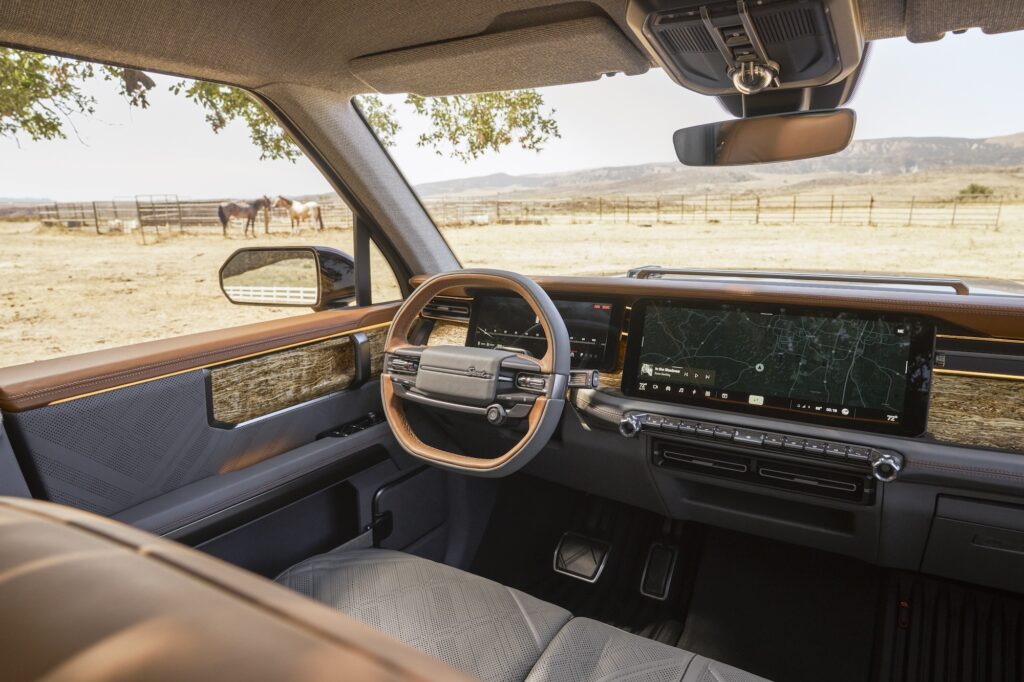
This situation clearly illustrates the profound transformation in the automotive industry, where traditional business models are clashing with new digital approaches. The success or failure of Scout’s strategy could set a precedent for other manufacturers considering direct online sales, especially for new electric brands. The court’s final verdict will not only determine the future of Volkswagen’s relationship with its dealers but could also influence how millions of people buy cars in the coming years. Parallel to the legal battles, consumer interest in Scout’s products remains extremely high, indicating a demand for new electric solutions regardless of their sales channel.