 by
by Tesla is once again embroiled in a legal dispute, this time in the state of North Dakota. The essence of the conflict is as follows:
The Fight for Direct Distribution
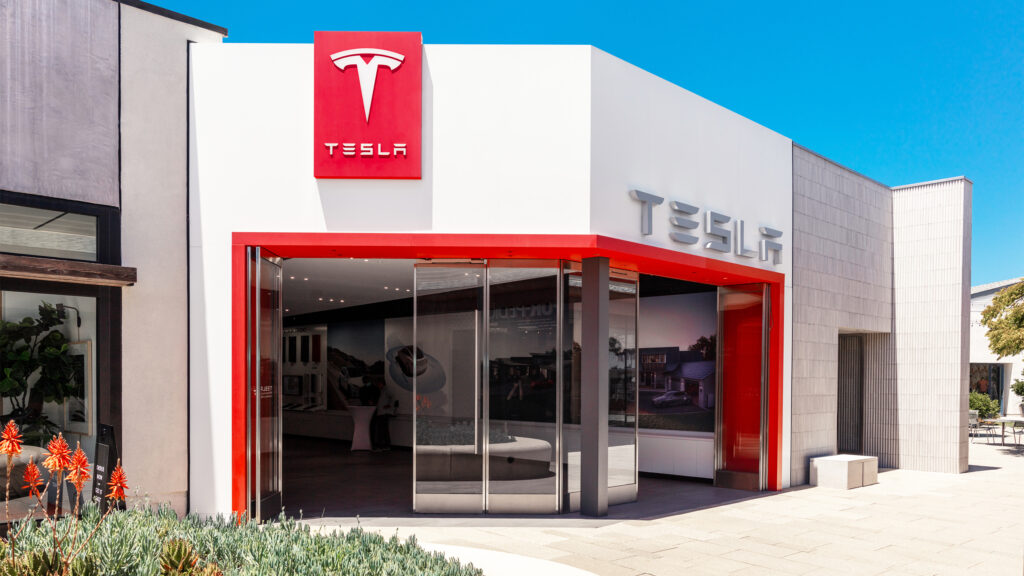
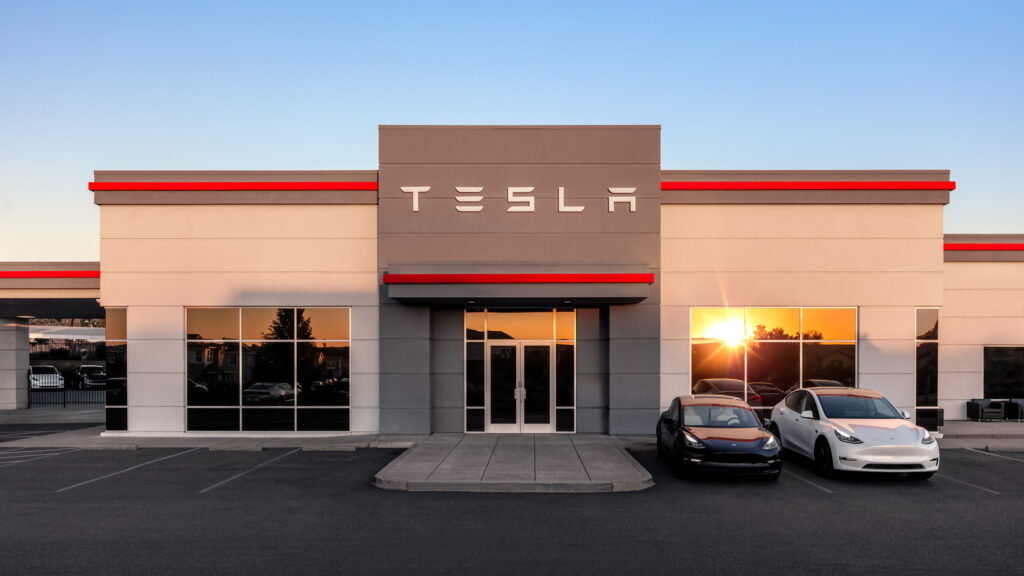
Tesla continues its multi-year battle with the legislation of various U.S. states for the right to sell cars through its own dealerships, rather than through the traditional franchising model. North Dakota has become a new battlefield in this fight. The state’s current law prohibits automobile manufacturers from owning dealerships and requires vehicle sales to be conducted through independent franchised dealers.
In its lawsuit, Tesla argues that it does not fall under the local definition of a vehicle manufacturer. According to state law, a manufacturer is a person who assembles or imports a car and sells it to dealers for resale. Since Tesla sells cars directly to customers, the company believes it operates outside of this regulation.
The Position of the State Authorities
As reported by local media, if the court still recognizes Tesla as a manufacturer under local laws, the company plans to request a special exception for itself. However, state authorities disagree with this logic.
“Tesla’s interpretation would allow any manufacturer to avoid the statute’s reach simply by choosing not to franchise their dealers. This would undermine the entire regulatory structure adopted by the legislature,” said Assistant Attorney General Michael Pitcher.
He also added that Tesla could operate in North Dakota just like any other manufacturer: appoint dealers, enter into franchise agreements, and sell through them. Thus, the law does not deprive Tesla of the opportunity to do business, but only regulates the model of vehicle distribution.
The Context of the North Dakota Market
North Dakota lags significantly behind most other states in the transition to electric vehicles. EVs account for less than 2% of new car sales. Charging infrastructure is also underdeveloped: the entire state has only 277 public charging ports, including just five Tesla Supercharger fast-charging stations.
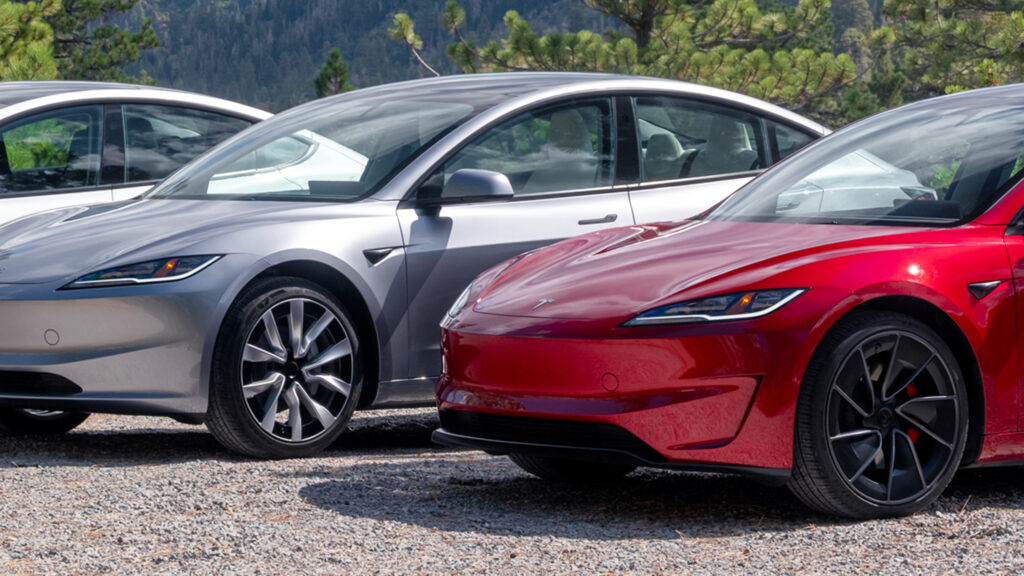
This lawsuit highlights the classic confrontation between innovative business models and industry norms established over decades. The success or failure of Tesla in this case could set an important precedent not only for the company itself but also for future manufacturers who may follow its direct sales model. The ability to buy a car directly from the manufacturer, bypassing intermediaries, is often seen by consumers as an advantage offering more transparent pricing. However, the traditional dealer network argues that it provides local jobs, competition, and service support that may be unavailable under a direct model. The court’s decision in North Dakota is likely to be closely examined in other states where similar legislative barriers still exist.