 by
by Acura MDX Type S Overland Concept
Acura has unveiled a unique off-road concept vehicle, the MDX Type S Overland. This special project, created in collaboration with the SEMA organization, aims to inspire car enthusiasts and demonstrate how a production vehicle can be modified for adventure.
The main features of the concept include:
Adventure-Ready Gear
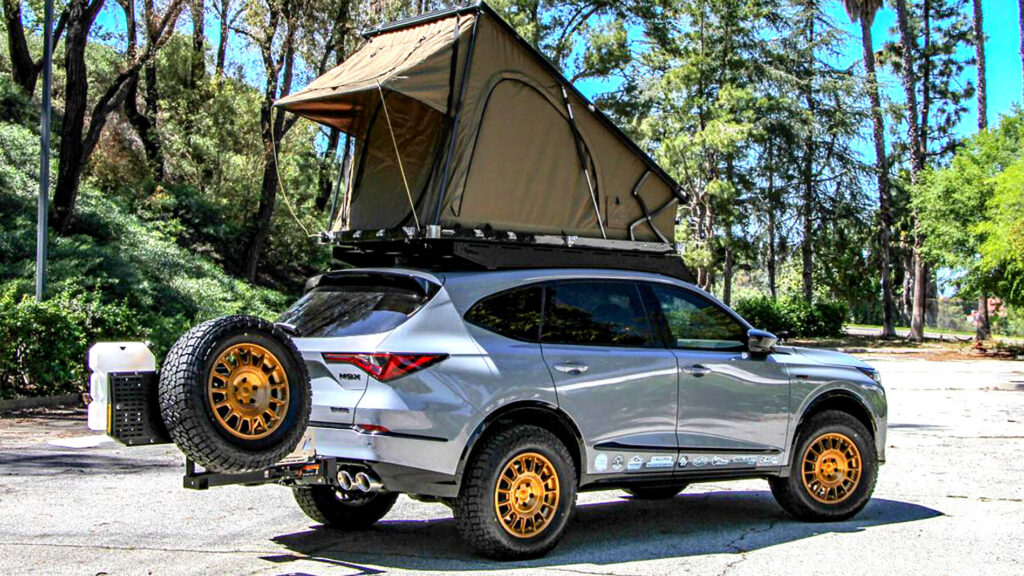
The vehicle premiered at the Acura Grand Prix race event in Long Beach. The concept was developed by the SEMA Garage workshop. The car’s exterior has become more aggressive thanks to 18-inch Black Rhino bronze wheels fitted with Falken WildPeak all-terrain tires. Additionally, the vehicle received a roof bar with auxiliary LED lighting from Baja Design, as well as a rear carrier for not only the spare wheel but also a fuel canister.
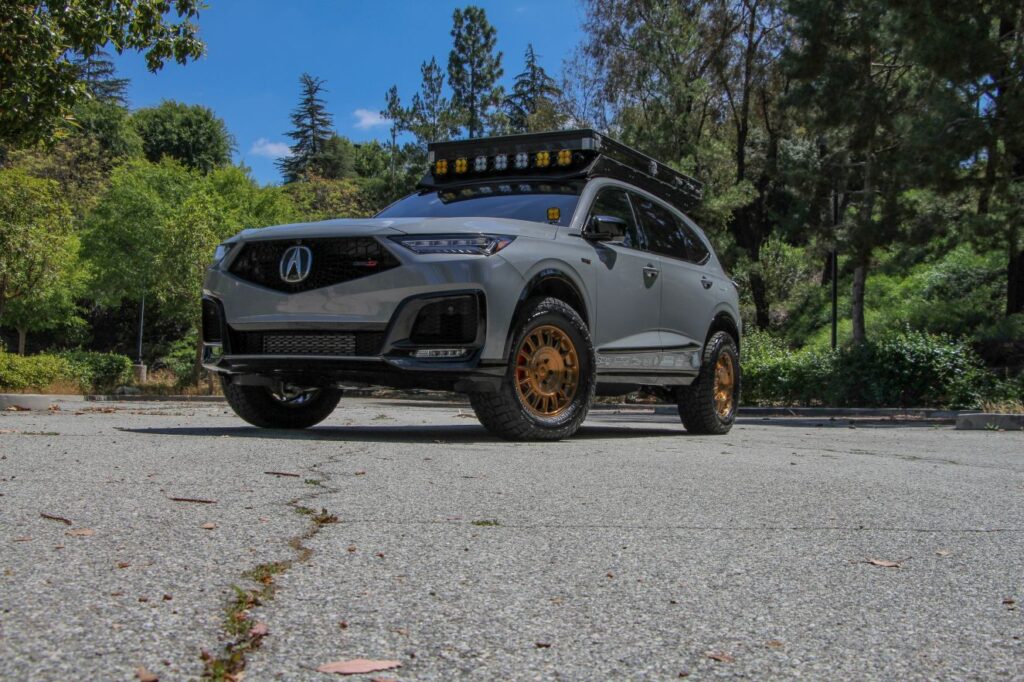
The modifications also affected the roof, where a Prinsu roof rack and a foldable Overland Stargazer Duo tent were installed. This tent, designed for two people, is made of carbon fiber and aluminum, which helped reduce the overall weight of the structure.
The Heart of the Concept
Since the concept is based on the production MDX Type S model, it inherited its powertrain. Under the hood lies a turbocharged 3.0-liter V6 engine producing 355 horsepower and 479 Nm of torque. The unit is paired with a ten-speed automatic transmission and the Super Handling All-Wheel Drive system.
This is not the best-equipped vehicle for serious off-roading, but the concept looks the part and likely gained a bit more capability thanks to the aggressive tires.
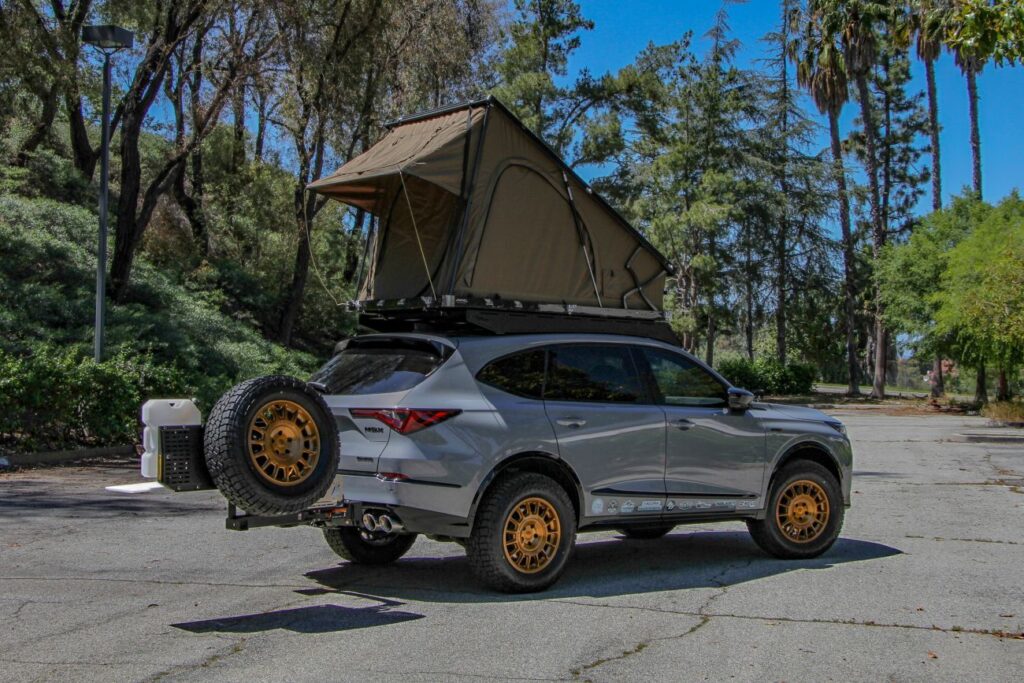
It’s important to note that this car was not created as a hardcore off-roader. Its main goal is to inspire enthusiasts and showcase examples of successful installation, functionality, and integration of additional equipment on the manufacturer’s modern production platform.
Similar concepts are appearing more frequently at auto shows, reflecting the growing demand for versatile vehicles capable of combining city comfort with the ability to venture into nature. They serve as a bridge between mass production and individual driver needs, demonstrating how far one can go with customization without losing the core advantages of the original vehicle. This is especially relevant for markets where one car often serves as both a family vehicle and a tourer.