 by
by Nissan cuts production in Europe: 900 jobs at risk
Japanese automaker Nissan continues to implement a stringent cost-saving program, this time in Europe. The company is trying to restore financial stability, which has led to a series of large-scale reductions, including plant closures to reduce excess capacity.
Staff cuts and restructuring
According to the Financial Times, the automaker will cut its workforce on the continent by approximately 10%. This means about 900 employees could find themselves out of work. Details are still vague, but the publication noted that the parts warehouse in Barcelona will be reduced, and the automaker is also ‘restructuring its distribution operations in the Scandinavian markets.’ It is believed that the cuts will also affect ‘white-collar’ workers in the UK.
Sunderland plant: Reductions and partner search
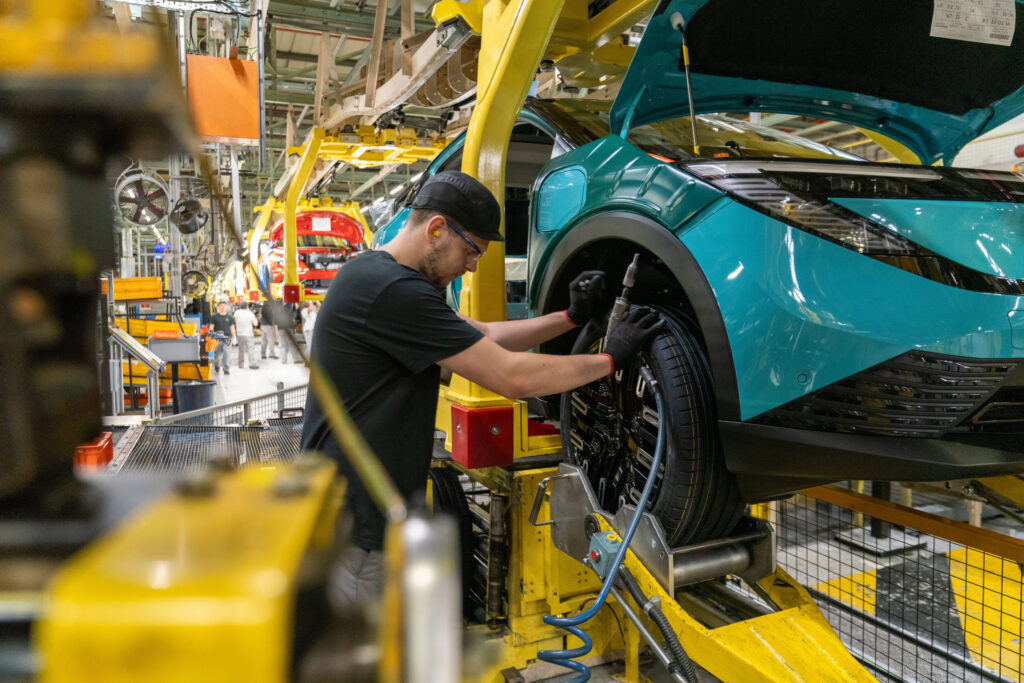
As for the UK, the company’s plant in Sunderland is reportedly set to be reduced to one line. This is not surprising, as the plant’s capacity is only being used at 50%, so maintaining two lines is simply not practical.
The future of the second line remains uncertain, but previous reports indicated that Nissan is in talks with Chinese automakers, particularly Chery, about using part of the plant. The company has confirmed this possibility, telling the publication that it is exploring ‘opportunities with third parties to maximize the use of the plant.’
These overall efforts are ‘necessary to protect Nissan’s future in Europe, preserve jobs in the long term, and ensure profitable competition in Europe.’
Sales decline and competition from China
In the first four months of the year, Nissan managed to sell only 28,389 cars in the UK. This is 13.3% fewer than last year. The automaker is barely ahead of its Chinese competitors BYD (26,396) and Jaecoo (22,789).

The situation for Nissan is becoming increasingly difficult. The drop in sales in the key UK market and the need for drastic savings are forcing the company not only to cut staff but also to seek unconventional solutions, such as handing over part of its production capacity to Chinese partners. This indicates the deep crisis in which the Japanese giant finds itself, and that even such measures may only be part of a long-term survival strategy in the highly competitive European market, where Chinese brands are rapidly increasing their presence.