 by
by Trump proposes temporarily canceling the federal gasoline tax
US President Donald Trump is considering the possibility of temporarily suspending the federal fuel tax. This would allow drivers to save 18.4 cents for every gallon of gasoline. However, such an initiative requires congressional approval and could lead to cuts in funding for road infrastructure.
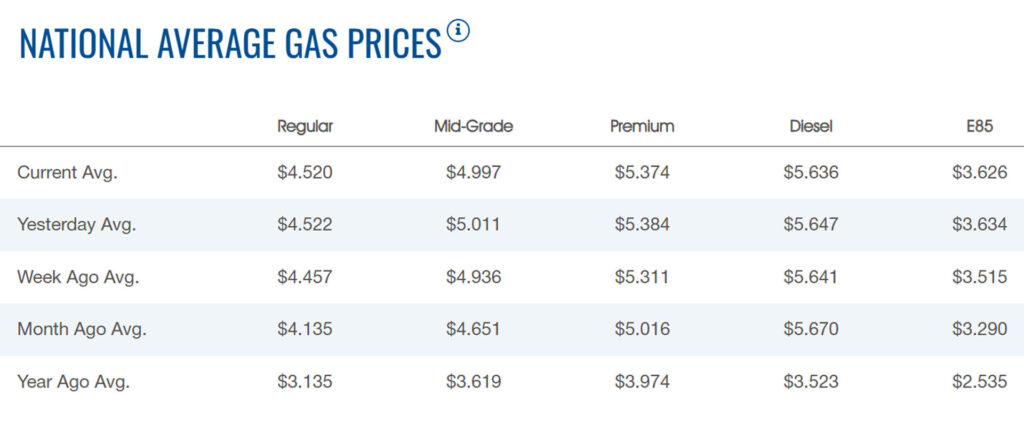
The average price of a gallon of gasoline in the US has reached $4.520, as the Strait of Hormuz remains effectively blocked, and the Trump administration seems unsure how to end the war it started. Drivers are outraged that they are paying $1.385 more per gallon than a year ago, so the government is looking for ways to ease this burden in an election year.
The administration’s position and possible consequences
Energy Secretary Chris Wright said in an interview with the Meet the Press program that the Trump administration is “open to all ideas” to reduce fuel prices. He noted that this includes suspending the federal gasoline tax.
“All measures that can be taken to reduce prices at the pump and for Americans, this administration supports,” Wright said.
The federal gasoline tax is 18.4 cents per gallon, and diesel is 24.4 cents. The latter type of fuel has been hit particularly hard: the average price of a gallon of diesel has reached $5.636, just 18 cents below the historical maximum.
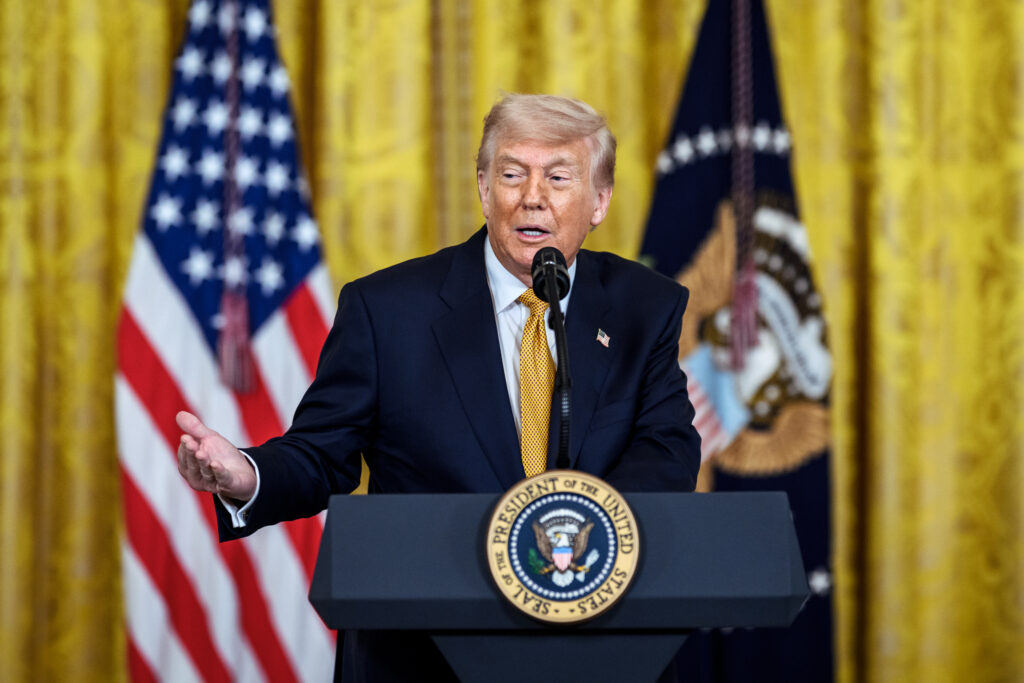
Although this would provide only slight relief, President Trump appears to support the idea. Earlier today, he told CBS News:
“We will cancel the gas tax for a certain time, and when prices drop, we will allow it to gradually return.”
AAA
Political and economic challenges
However, this is easier said than done, as suspending the gasoline tax will require congressional involvement and cost the government about $500 million per week in lost revenue. Nonetheless, some Democrats and Republicans appear to support the idea.
As for the war in Iran, the situation remains at a deadlock as the countries cannot reach an agreement. Trump also hinted that the ceasefire regime could soon end, although the White House often makes threats without following through.
The White House
Trump’s proposal to temporarily cancel the fuel tax looks like an attempt to quickly appease voters ahead of the elections, but it does not address the root causes of the crisis. The blockade of the Strait of Hormuz and the lack of a clear strategy to end the conflict with Iran remain the main factors putting pressure on prices. Even if Congress approves this measure, the savings of 18 cents per gallon will only be temporary relief, while long-term market stability depends on diplomatic solutions and the restoration of oil supply chains.