 by
by Phoenix Sends Thousands of Camera Tickets
Arizona has repeatedly changed its stance on traffic cameras, and now they have decided to reactivate them. In just over a month, the system in Phoenix has sent over 7,900 tickets. Some lawyers believe that actually collecting money for these violations is a completely different matter.
Scale of Violations and Driver Reactions
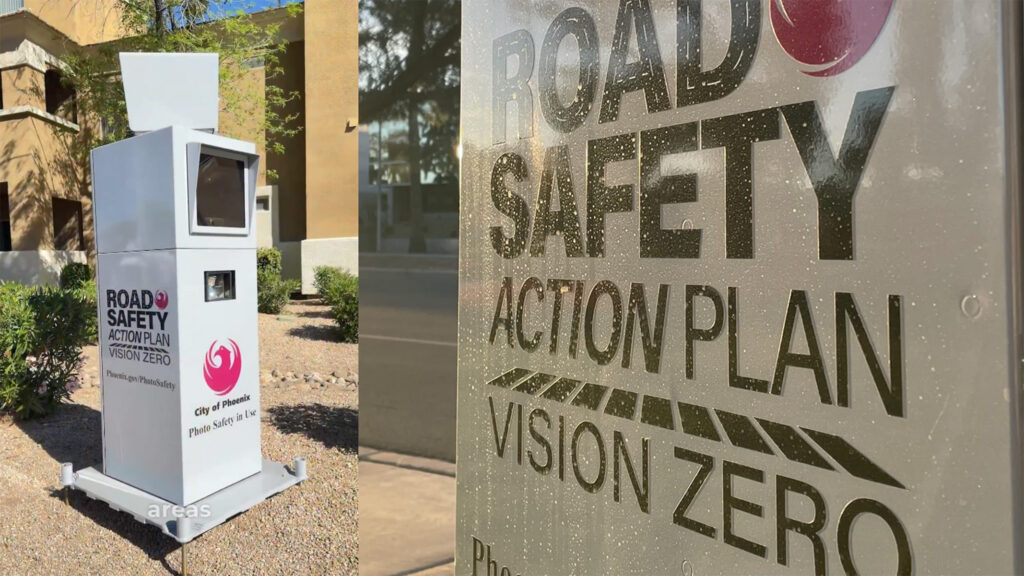
Starting March 25, the city has sent over 7,900 violation notices after activating cameras at 17 locations as part of the Vision Zero initiative. Before the official launch of the system, according to Phoenix, approximately 70,000 cases of speeding were recorded during the warning period alone.
The cameras are meant to help reduce fatal accidents and enhance police efforts. The reaction from drivers, as expected, is mixed: some support the cameras, others complain about inaccuracies, and the rest simply pay the fines to avoid problems. However, from a legal standpoint, such a strategy may be unnecessary.
Legal Nuances of Enforcing Fines
“The fine print indicates that for a speeding ticket to take effect, it must be served in person. That means a process server or other authorized person must personally hand it to you or an adult member of your household living with you,” explained Josh C. Kolstud, a criminal defense attorney, in an interview with 12 News.
Issues with Automated Systems in Other States
Questions regarding automated enforcement systems arise not only in Arizona. In California, disputes over the legality and enforceability of camera fines, especially those for red-light violations, have been ongoing for years.
Several California cities previously abandoned programs using such cameras after legal disputes over improperly issued tickets, unclear road signs, and the involvement of private contractors in administering the system. In some cases, courts dismissed fines because prosecutors could not properly verify evidence or establish a clear chain of accountability.
The Future of Cameras in Phoenix
Ultimately, some cities have already resolved all the legal intricacies. Whether Phoenix will address these issues before residents vote on a complete ban of the cameras remains an open question.
The situation in Phoenix illustrates a classic conflict between the desire to improve road safety and the legal complexities of an automated ticketing system. While the 70,000 warnings highlight the severity of the speeding problem, the effectiveness of cameras as a punitive tool could be undermined by the requirement for personal service of notices. California’s experience shows that without clear legislative regulation and transparent procedures, such initiatives risk becoming a source of lawsuits rather than a genuine means of reducing accidents.
Photo Phoenix Government