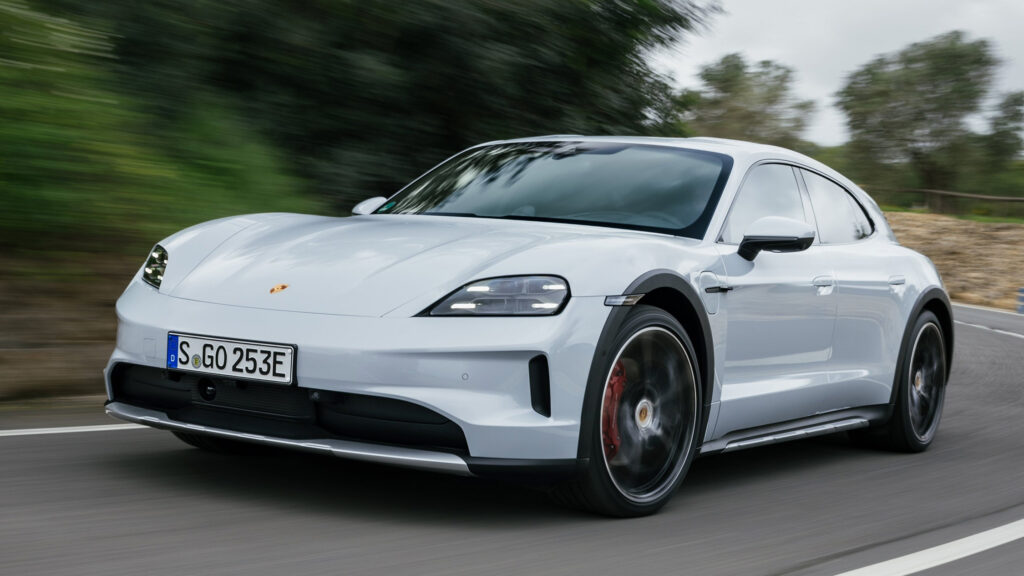
 by
by Chinese electric cars are rapidly losing value in Europe
Chinese automakers have been actively conquering the European market in recent years, offering attractive prices, generous equipment, and favorable leasing conditions. However, buyers are now beginning to notice a significant drawback: such electric cars lose value extremely quickly after leaving the dealership.
According to new data from the German vehicle valuation group DAT, Chinese electric cars and plug-in hybrids depreciate twice as fast as the industry average. Moreover, the rate of value decline is only increasing.
This creates problems for all market participants. Owners face low prices when trading in their cars, manufacturers are forced to compensate for losses through guaranteed buyback programs, and leasing companies find that returned vehicles are worth much less than expected.
Martin Weiss from DAT noted that “it is not enough to simply launch a good product.” Brands also need strong support so that used car buyers remain confident in their choice years later.
Part of the problem lies in uncertainty. Many European buyers doubt whether some Chinese brands will remain in the market for the long term. Concerns about service, spare parts, and dealer networks make cautious used car buyers think twice before purchasing.
Not just Chinese electric cars are suffering
However, pressure is not only felt by Chinese brands. In the UK market, there is also a decline in the residual value of electric cars, partly due to the influx of vehicles from China. According to Indicata data, the average three-year-old electric car in the UK was worth only 38% of its original price last month, while in Germany, France, and Spain, this figure was 46%. For comparison, a gasoline car of the same age in the UK retained 45% of its value, and a hybrid — 51%.
Automakers are under enormous pressure to increase electric car sales, so they are offering significant discounts on new models to meet government targets. This propelled the Chinese car Jaecoo 7 to the top of the UK sales chart for the first time in history, but at the same time, it makes nearly new electric cars expensive compared to heavily subsidized factory models.
The irony is that rapid technological progress also harms value. Chinese brands are particularly prone to releasing updates, so a modern electric car can become obsolete in just a few months. This is good for innovation but bad for preserving residual value.
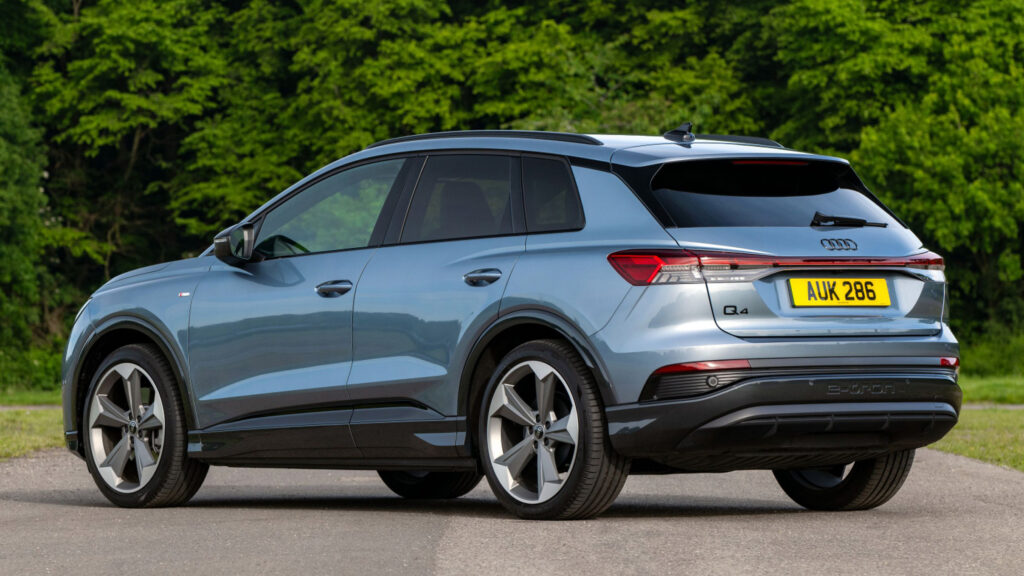
Aiways, Porsche, Audi
The situation with the rapid depreciation of Chinese electric cars in Europe is a complex challenge for the entire market. On the one hand, low initial prices and generous offers attract buyers, but on the other hand, rapid value decline makes such cars a risky investment. This could lead to a decrease in consumer trust in new brands, especially if they cannot ensure proper support and market stability. Furthermore, the general trend of electric car depreciation, amplified by the influx of Chinese models, puts additional pressure on traditional automakers, who are forced to compete not only on price but also on service quality and long-term reliability.