 by
by Canada Opens Doors for Chinese Electric Vehicles
A new trade agreement between Canada and China has allowed the import of Chinese electric vehicles, and the first cars are already arriving in the country. The government does not disclose which brands are taking advantage of this opportunity, but preliminary data suggests Tesla benefits the most.
Pact Terms and Initial Results
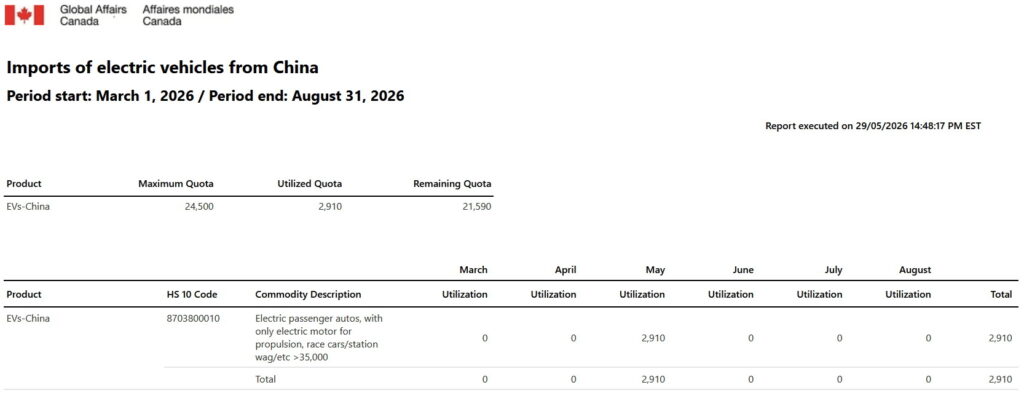
Calculations under this agreement are quite simple. Previously, electric vehicles imported from China were subject to an additional 100 percent duty. Now they pay only 6.1 percent. There is a volume limitation. In the first year of the program, imports at the reduced rate are capped at 49,000 units, split into two halves: 24,500 from March to August and another 24,500 from September to February.
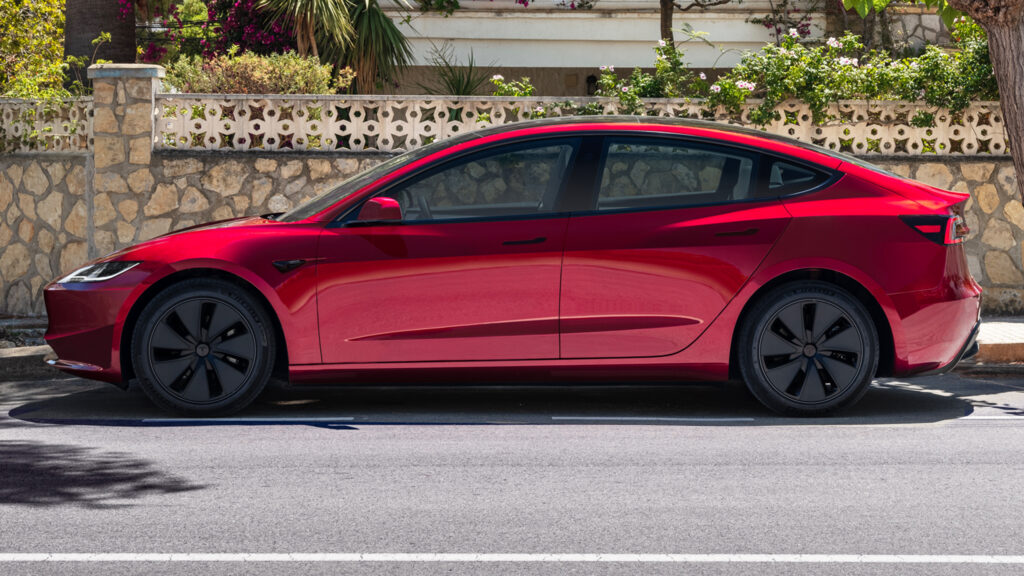
Data from Global Affairs Canada shows that in May, 2,910 vehicles qualifying for the program were imported into Canada, representing less than 12 percent of the quota for the current six-month period. The government does not mention which brands received the reduced tariffs, but it is likely that the vast majority of them are Tesla, as the company already produces the Model 3 at its Shanghai plant and exports them to Canada.
Tesla’s Competitors Are Still Lagging
For comparison, most of Tesla’s Chinese competitors are still in the early stages of their expansion in Canada and are not yet ready for export. According to Drive Tesla Canada, the only non-Tesla electric vehicles from China that reached Canada in May were 18 units of the premium Lotus Eletre.
Other Manufacturers Are Also Preparing
Since the announcement of the new tariff quota system, it was expected that Tesla would be the first to take advantage of it. In addition to Geely starting to import the Lotus Eletre from China, the group also owns Volvo and Polestar brands, which already sell their cars in the country. Models from these two brands are also expected to benefit from the reduced tariffs, although this has not happened yet.
As we reported last month, a number of new brands are preparing to launch in Canada. Among them is Chery, which is expected to soon start selling cars under its Jaecoo brand nationwide. Additionally, BYD is known to plan on opening up to 20 sales outlets in Canada this year and possibly even building its own local plant.
Geely will also expand its presence beyond the Lotus, Volvo, and Polestar brands. The company is preparing to launch the Zeekr brand and has already begun hiring for executive positions in Toronto.
This situation indicates a gradual but strategic integration of Chinese electric vehicles into the Canadian market. Although Tesla currently dominates due to its readiness for export, other major players such as BYD and Geely are actively preparing their own plans. This could lead to a significant increase in competition in the electric vehicle segment in Canada, which, in turn, could impact prices and choices for consumers. At the same time, the limited quota volume creates a certain scarcity and encourages manufacturers to quickly establish local production capacities, as BYD plans to do.