 by
by Will electric cars become the ‘killers’ of gasoline cars, just as cars once ‘killed’ horses?
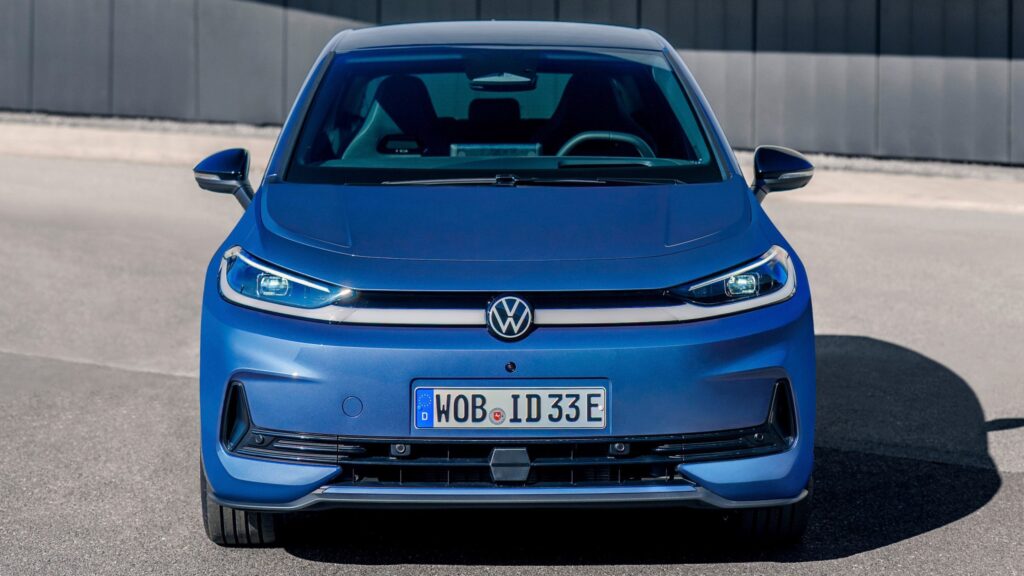
One of Volkswagen’s most influential board members believes that once automakers finally convince buyers to switch to electric power, cars with internal combustion engines might be viewed the same way we now look at horses — as an outdated mode of transport.
According to Martin Sander, VW board member for Sales, Marketing, and After-Sales, more effort must be made to persuade people to buy electric cars, rather than just talking about bans on internal combustion engines, such as the UK’s 2030 deadline.
«[Today] I look out the window: there are not many horses — mostly cars. That’s why I hate the discussion about banning the internal combustion engine. Everyone is just talking about the ban. How will you convince customers of a new technology if you constantly only talk about a date when they will be banned from using the cars they’ve been accustomed to for decades?»
How to convince customers?
Sander believes that «over time, more and more customers will be convinced» to buy an electric car if barriers to ownership are removed, particularly by improving the charging infrastructure. «Let’s talk about what needs to be done to convince customers: charging infrastructure; talk positively about the benefits of electric cars and, perhaps, do something about energy prices,» he stated.
The board member suggested that if these conditions are met, the number of customers interested in owning a car with an internal combustion engine could drop to «three, four, five percent» by 2035.
No EREVs for Europe
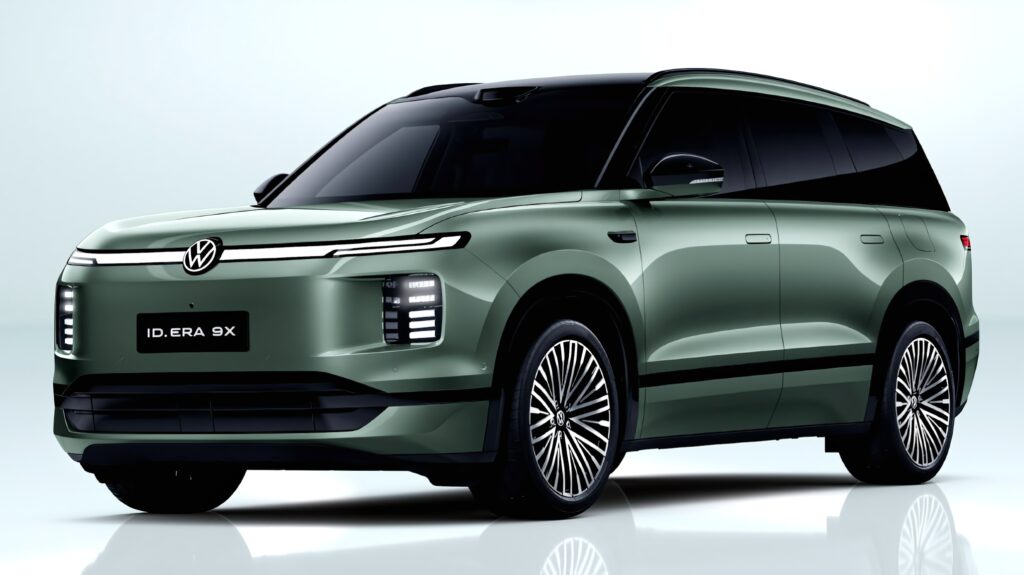
Interestingly, as it transitions to electrification in Europe, VW does not plan to introduce any extended-range electric vehicles (EREVs), which are offered in China. This indicates that demand for such a powertrain in Europe would not be high enough.
Learning from the Chinese experience
Despite this, Sander notes that the lessons VW is learning from expanding electrified vehicles in China will help the company abroad.
«Everything we learn in China will help us be competitive in all other markets around the world where we compete with the Chinese. This is very important for us in terms of scale, efficiency, and cost, and we are working hard on it. We have to be competitive. There is no alternative.»
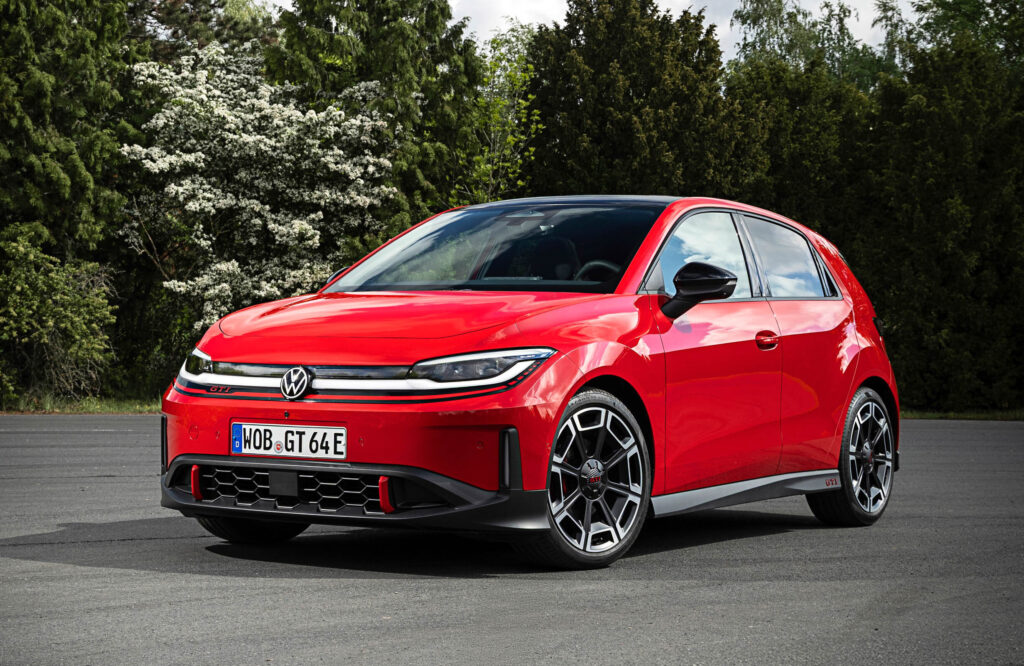
Thus, VW’s strategy is not simply to copy Chinese models, but to adapt the knowledge gained about scaling, efficiency, and cost reduction to create competitive electric vehicles on a global level. The rejection of EREVs in Europe highlights the difference in market conditions and consumer preferences, where, according to management, fully electric models have greater potential, especially if infrastructure issues are resolved. The parallel with horses drawn by Sander is a powerful narrative aimed at changing the perception of electric cars not as a forced alternative, but as a natural and inevitable step forward.