 by
by Rise in Cargo Theft: New Criminal Tactics and Government Response
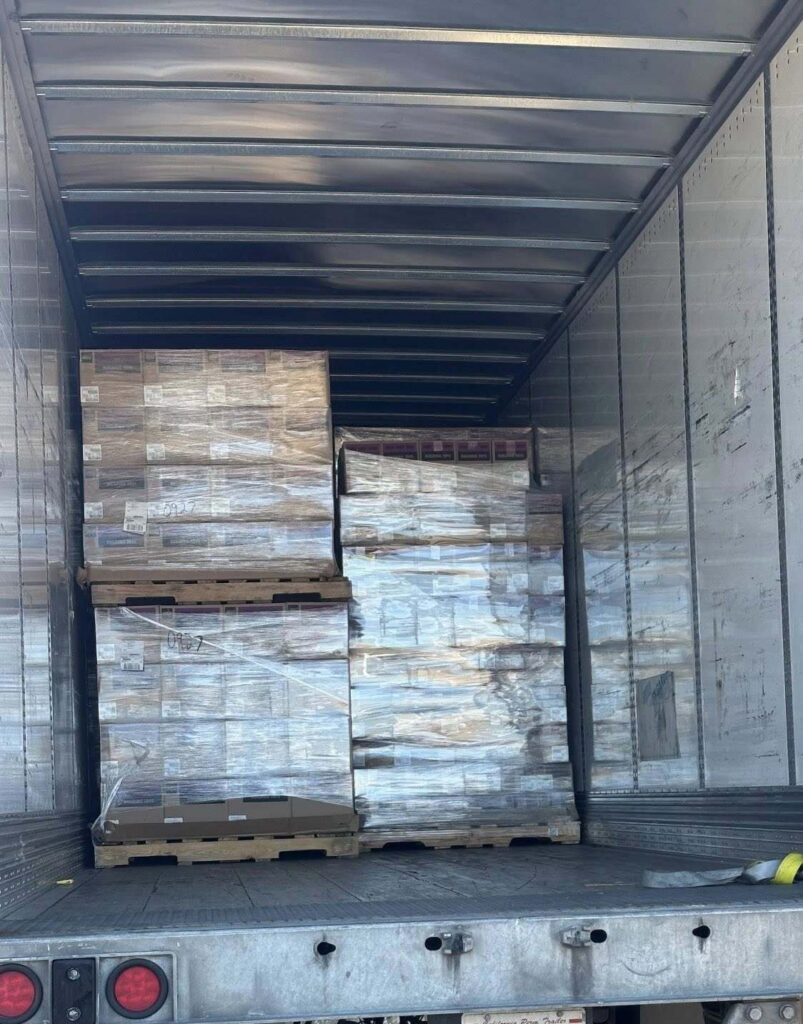
Criminals who steal cargo are becoming increasingly inventive, and losses from such activities are rising rapidly. U.S. states are trying to respond to this threat by toughening penalties. According to the American Transportation Research Institute, cargo theft costs the transportation industry approximately $18 million per day. That amounts to $208 per second and about $12,500 per minute.
New Schemes: Theft Without Breaking In
According to a new report by Overhaul, a company specializing in supply chain security, the first quarter of 2026 saw an average of nearly seven cargo theft incidents per day. One of the fastest-growing tactics is so-called “fraudulent pickup.” Criminals use forged documents, fake identities, and impersonate carriers to legally take possession of cargo before disappearing with it.
“The rise in fraudulent pickup schemes indicates that organized networks are investing in fraud infrastructure,” said Overhaul CEO Barry Conlon.
While this issue affects various industries, the consequences are particularly significant for automakers and parts suppliers. According to Overhaul, theft of vehicles and auto parts increased by 142% compared to the fourth quarter of 2025 and by 51% year-over-year.
California and Other States: Searching for Solutions
California remains a primary target due to its ports and distribution centers. A recent example: the Kern County Sheriff’s Office found a stolen trailer containing Lego sets worth $1 million. Local lawmakers are considering a bill to create a special task force to combat cargo theft under the state attorney general’s office. Arizona is also evaluating a similar proposal after trucking companies reported rising losses, particularly along major interstate corridors.
Tougher Laws in Arkansas and Tennessee
Arkansas Governor Sarah Huckabee Sanders signed a law in March declaring a state of emergency over cargo theft. The law adds up to 10 years of enhanced sentencing for cargo theft and requires convicted individuals to serve their full term without the possibility of early release.
Tennessee has also passed new laws that take effect July 1. One expands organized retail crime statutes to cover individuals who use online platforms and social media to coordinate the sale of stolen goods. Another broadens the state’s definition of cargo theft, giving law enforcement clearer authority to prosecute criminals targeting freight containers. Other states, including Michigan, Missouri, New Jersey, and South Carolina, are also studying similar measures.
It will be interesting to see whether new laws can curb the problem or whether criminals will simply adapt to new conditions once again. Given that criminal groups are investing in complex fraud schemes rather than physical break-ins, law enforcement will need not only to toughen penalties but also to develop technological methods for detecting forgeries and preventing such crimes at early stages. The effectiveness of the new laws will largely depend on coordination between states and federal agencies, as cargo often crosses several state borders before disappearing.