 by
by GM may abandon LFP batteries in favor of new technology
General Motors is considering changing its strategy regarding batteries for electric vehicles. Instead of producing lithium iron phosphate (LFP) batteries in the US, the company may focus exclusively on new lithium manganese rich (LMR) cells.
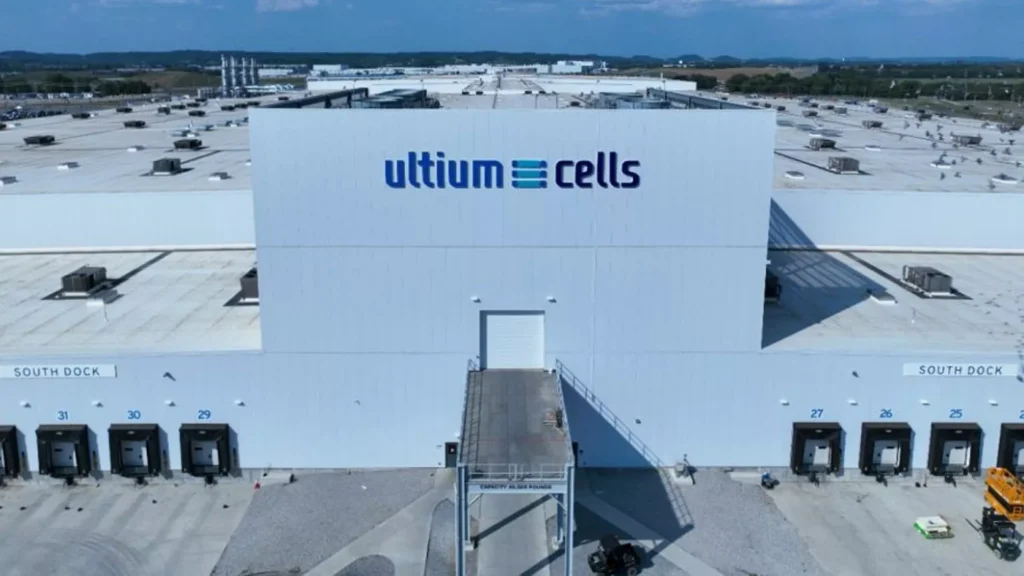
The Detroit automaker has been developing LMR batteries for several years. Initially, it planned to build them alongside conventional LFP cells. However, after recent confirmation that GM’s battery plant in Tennessee, operated jointly with LG Energy Solution, will now produce LFP batteries only for power grids and data centers, not for vehicles, GM is doubling down on LMR technology.
Kurt Kelty, GM’s head of battery development, described LMR as a “workhorse” for the company in an interview with Reuters. He noted that such a battery would cost about the same as an LFP pack but would store more energy for roughly the same weight.
There is a possibility that LFP won’t find its place in our portfolio. That’s where we’ll be using large volumes, — Kelty added.
Same range, lower price
Most electric vehicles released by GM in recent years have used nickel manganese cobalt (NMC) batteries. They provide better range compared to LFP but are less suited for charging to 100% capacity. The new Chevrolet Bolt is an exception, as it uses LFP batteries from Chinese giant CATL.
Moving forward, Kelty told TechCrunch that NMC batteries will only be used in GM’s high-end vehicles, while LMR batteries will be better suited for more affordable models. For the Chevrolet Silverado EV, which currently features an NMC battery, GM claims that an LMR battery of similar weight and size could maintain the same range of 400 miles while reducing the vehicle’s cost by at least $6,000.
This truly will be our bread and butter. This will be our main product line, — said Kelty, speaking about the LMR battery.
It is worth noting that GM is not the only company developing LMR batteries. Its main competitor Ford is also working on them.
GM’s LMR batteries
Thus, GM is betting on LMR technology as a more cost-effective alternative that will reduce the cost of electric vehicles without compromising range. This decision could significantly impact the market, as making popular models like the Silverado EV several thousand dollars cheaper will make them more accessible to a wider range of buyers. Abandoning LFP batteries in passenger vehicles in favor of LMR suggests that GM sees greater potential in the new technology for the mass market, especially in the affordable EV segment, where every dollar matters. The parallel development of LMR technology at Ford indicates that this could become a new industry trend, shifting the balance of power in the battery market.