 by
by Tennessee has passed a new law that changes the rules for vehicle registration and obtaining a driver’s license. It will take effect on January 1, 2027.
Key changes in the law
Over the past year, various cities and states in America have made changes to legislation to improve road safety. Now Tennessee has joined this process by changing the rules for issuing driver’s licenses and registering vehicles. Although it initially seemed that people who do not speak English would not be able to obtain a license or register a car at all, the final version of the law turned out to be more balanced, albeit stricter than before.
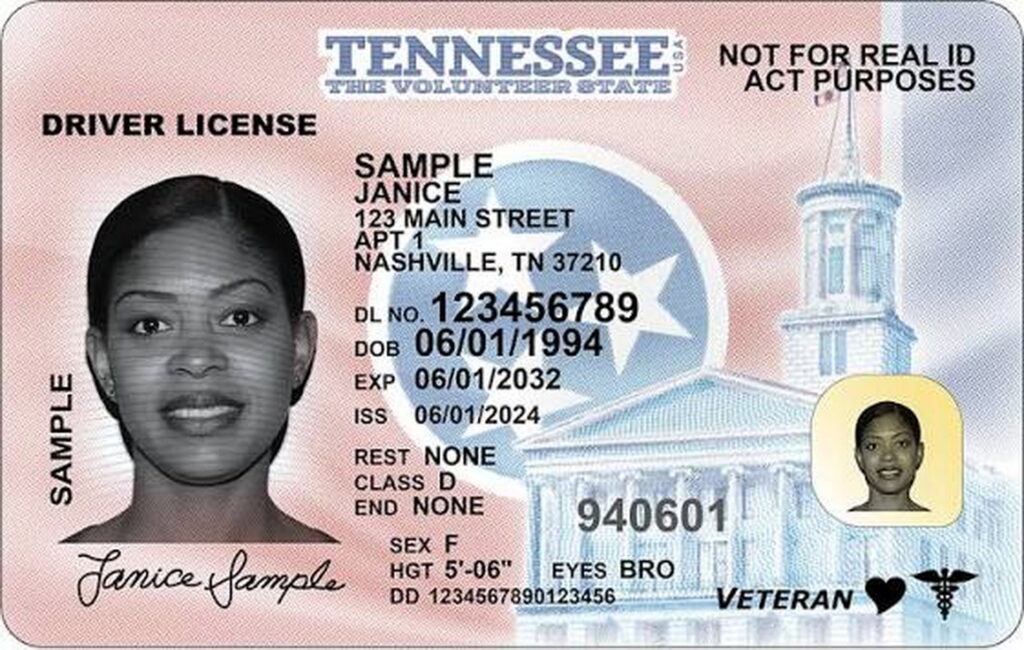
Governor Bill Lee signed HB 1708/SB 1889 into law on May 7, 2026. This legislative act changes both the requirements for vehicle registration and the rules for obtaining a driver’s license in Tennessee.
The biggest change is that Tennessee residents wishing to register a car or renew a registration must now provide documents confirming their status: a U.S. citizen, a lawful permanent resident, or a person whose temporary stay in the country has been approved by the federal government. Existing Tennessee driver’s licenses, photo IDs, temporary licenses, and REAL ID-compliant documents may satisfy this requirement.
Supporters of the law argue that it closes a loophole that previously allowed vehicles to be registered with relatively simple identification documents. State Representative Michelle Reno told Local 3 News that the measure is aimed at improving road safety and deterring illegal immigration.
State Representative Michelle Reno told Local 3 News that the measure is aimed at improving road safety and deterring illegal immigration.
Rules for obtaining a driver’s license have become more detailed
The part of the law concerning driver’s licenses is more complex. Some reports indicated that applicants who cannot read English would receive severely restricted licenses valid for one year. This was true at a certain stage of the legislative process, but lawmakers ultimately changed the bill before its passage.
According to the official summary of the bill, applicants who take the written test in a language other than English can still receive a standard driver’s license. However, such licenses will be valid for 36 months, rather than the usual term. After this period expires, the driver must take the written test in English without the use of an interpreter, electronic devices, or translation tools.
The final version of the law repealed the proposed driving restrictions and the requirement to obtain special restricted licenses. Currently, Tennessee offers written driver’s license tests in English, Spanish, Japanese, Korean, and German. The law takes effect on January 1, 2027, although state agencies may immediately begin preparing data exchange systems and administrative rules.
This law is part of a broader trend in the United States where individual states are attempting to tighten enforcement of immigration laws through traffic regulation. It is worth noting that such measures are often controversial because, on one hand, they may improve safety, and on the other, they create additional barriers for certain groups of people, potentially limiting their mobility and access to work or education. Tennessee lawmakers appear to have sought a balance by softening the initial proposals but still introduced significant new requirements that will take effect in 2027.