 by
by Japanese Study: Driving a Car with a Manual Transmission Stimulates the Brain
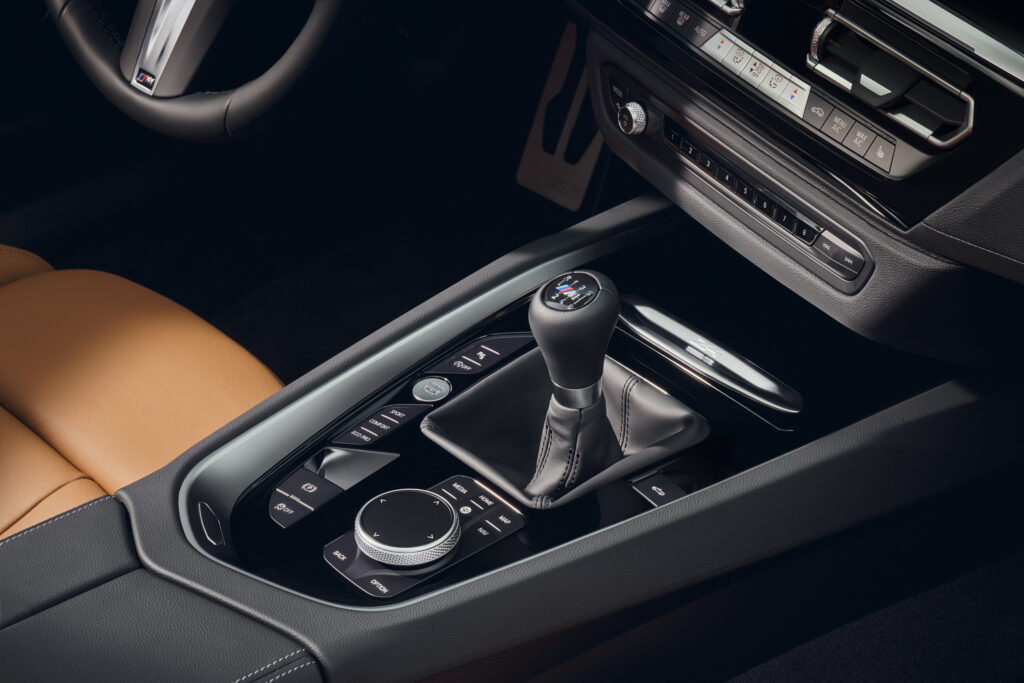
Car enthusiasts put considerable effort into preserving the manual transmission in cars like the Porsche 911 GT3 — true icons that grace magazine covers and become the subject of forum campaigns. Cheap daily drivers that lose the third pedal don’t receive such protection, and they are disappearing much faster. A study from Japan adds a new argument to this debate, as the benefits of manually shifting gears may extend beyond just driving enjoyment and affect your brain health.
Who is behind the study?
The study was conducted by Professor Ryuta Kawashima, who leads neuroimaging work at the Institute of Development, Aging and Cancer at Tohoku University. Kawashima is not an obscure academic. He created the scientific basis for the Nintendo Brain Age series of games — puzzles that sold millions of copies, promising that the brain, like any other muscle, responds to training.
How the Clutch Affects Your Brain
According to a report from the local publication Best Car Web, the study showed that the physical sequence of actions involved in driving a car with a manual transmission activates the prefrontal cortex — the area of the brain responsible for memory, attention, and decision-making. Reading the vehicle’s speed, depressing the clutch, manually selecting a gear, and modulating the throttle — all happen simultaneously, and maintaining their coordination requires a level of engagement that keeps the driver’s attention from one moment to the next.
In a country aging as rapidly as Japan, daily demands on the brain to juggle these inputs function as a kind of low-intensity workout that it would otherwise avoid. Stimulating neural pathways helps preserve cognitive function in a way that passively riding in a car with an automatic or semi-automatic transmission simply cannot provide.
A Dying Breed
Despite the benefits, cars with a traditional manual transmission are far less popular in Japan than automatics. Best Car reports that manual transmission cars account for only 1 to 2 percent of new car sales in Japan — a share that makes the dominance of automatic transmissions unquestionable.
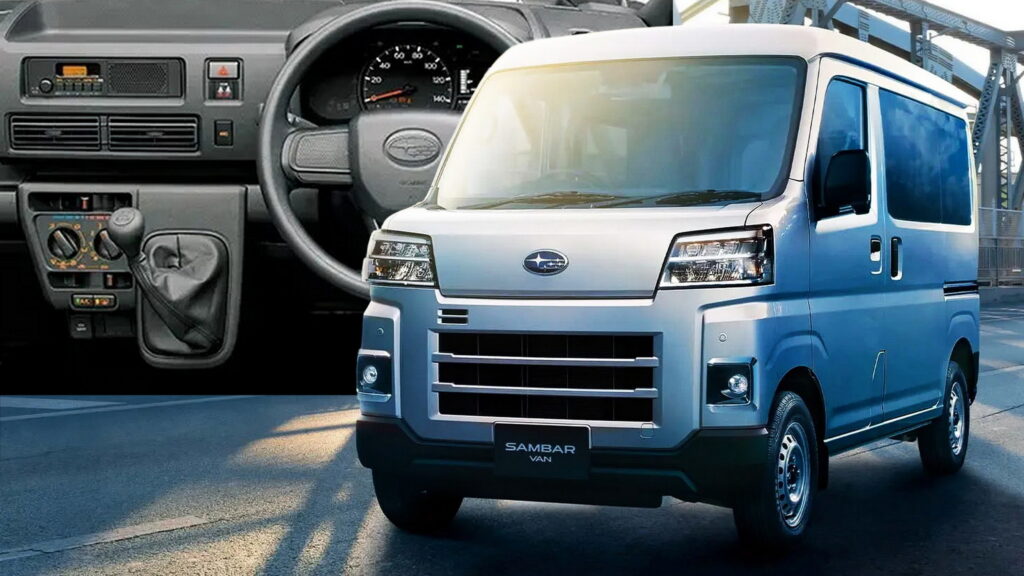
The last remaining advocates of the manual are the cheapest cars. Basic kei vans and trucks, such as the Honda N-Van, Daihatsu Hijet, Suzuki Carry and Every, along with their rebadged brethren, are still equipped with a naturally aspirated 660cc three-cylinder engine paired with a manual transmission and a Spartan trim level designed to achieve a low sticker price.
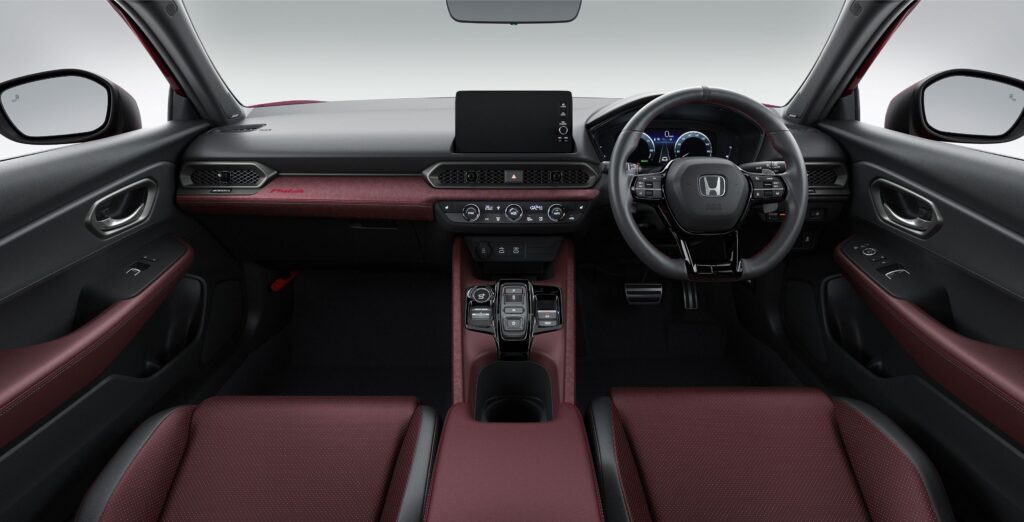
Unfortunately, the mainstream market has already moved on. The Toyota Corolla and Honda Civic are available only with a CVT due to their hybrid powertrains, leaving “hot” hatches as the sole exceptions. Even the new Honda Prelude, a coupe with a sporty name that needs defending, is produced exclusively with an automatic transmission and tries to mask this loss with simulated gear shifts to make the driver feel engaged.
Kei cars are the last line of defense. If automakers continue to produce them with three pedals, Japan will preserve what the rest of the automotive industry has spent years trying to eliminate.
Interestingly, Professor Kawashima’s research adds a completely new dimension to the “manual” debate. Previously, arguments in its favor mostly revolved around a sense of control, the sporty nature of driving, or lower cost. Now, a scientific basis emerges for considering driving a manual transmission car not just a skill, but a kind of cognitive exercise. In an era when cars are becoming increasingly automated and “smart,” this study reminds us that some processes requiring active human participation may have unexpected benefits for brain health, especially in the context of an aging population. Whether this will prompt manufacturers to reconsider their strategies, or the “manual” will remain a niche product for enthusiasts and the cheapest models, remains to be seen.