 by
by BMW deploys new generation of humanoid robots at US plant
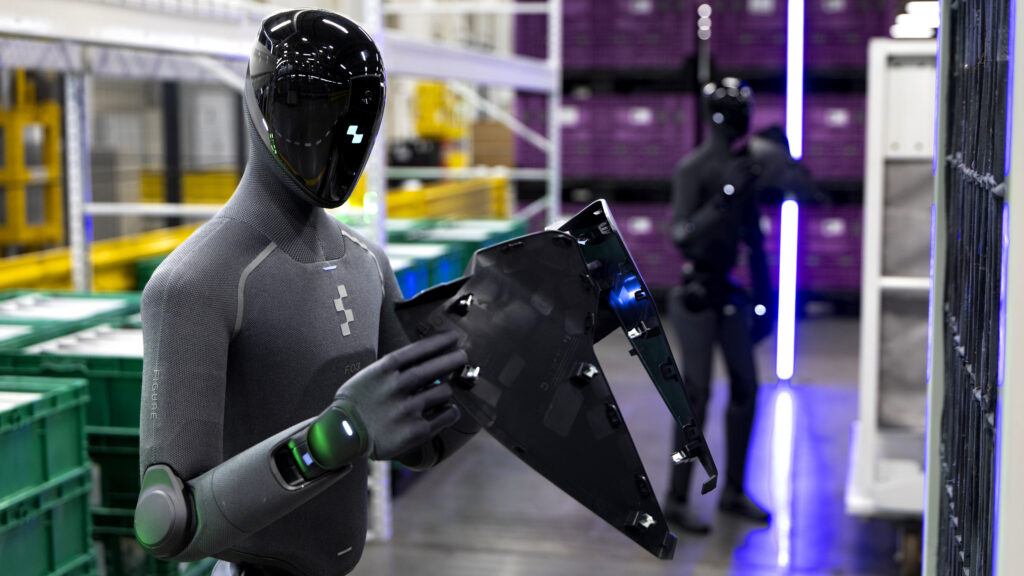
About two years after BMW first used humanoid robots at its US plant in Spartanburg, South Carolina, a newer version has replaced them. These machines are manufactured by the American company Figure, and their resemblance to humans is much deeper than anything Tesla has achieved with Optimus. This robot looks less like a prototype in a costume and more like something created to work alongside people on the same shop floor.
New duties for Figure 03 robots
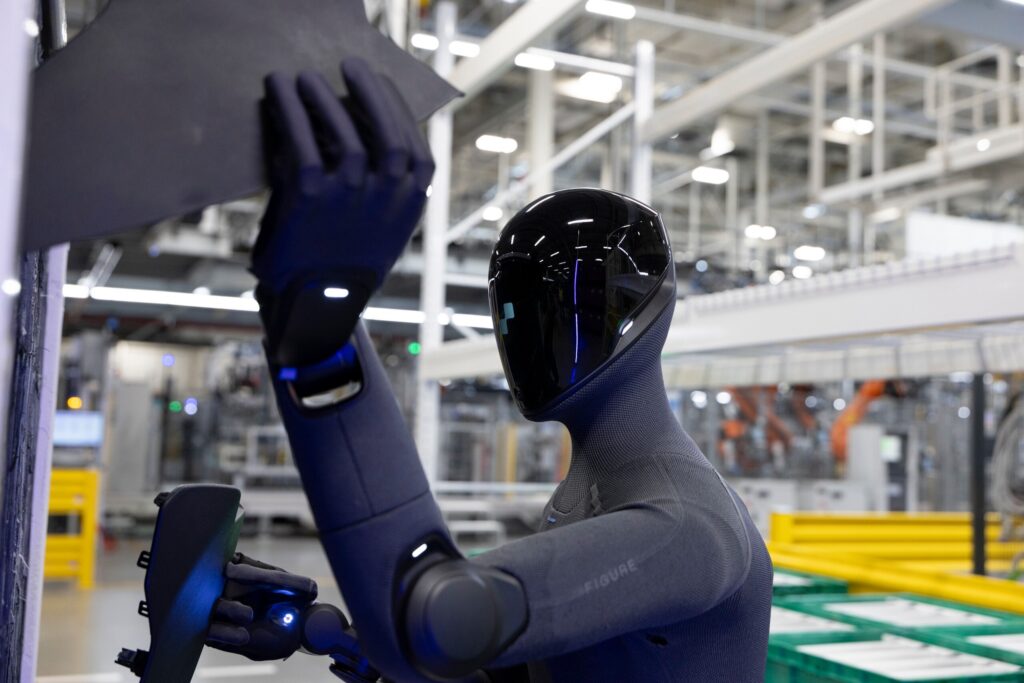
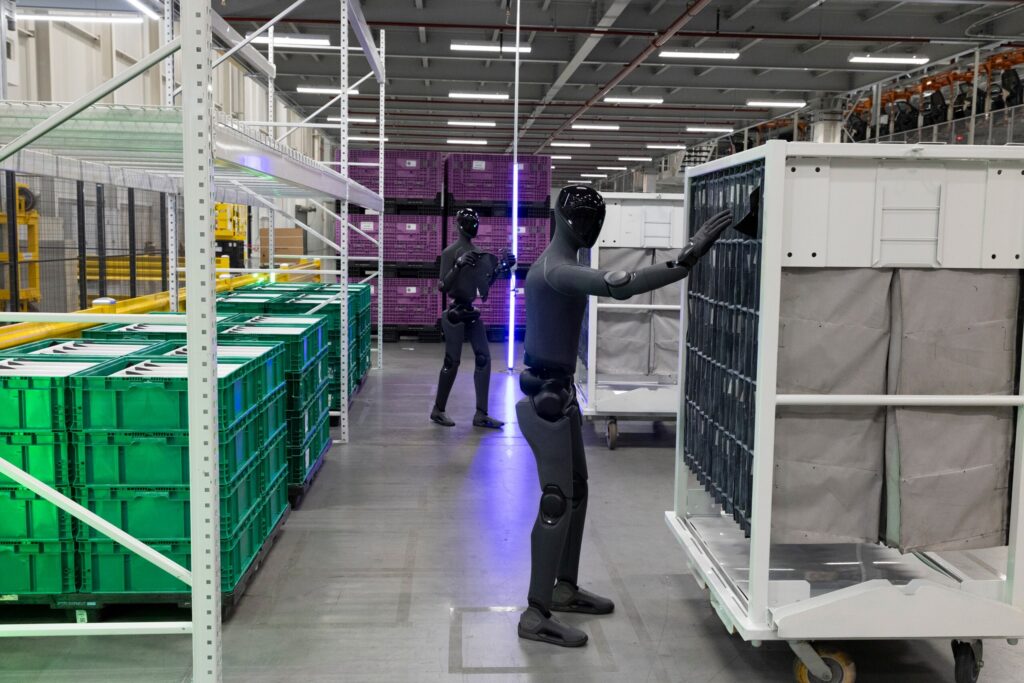
The new robot, known as Figure 03, will play an important role in the plant’s logistics operations. Components arriving at the facility currently come in large containers and are unsorted. The task of these robots will now be to take each part and sort them into carts for sequencing.
These carts will then be delivered to a designated collection point for further transport. The parts will then be handed over to an automated tow train or Smart Transport Robot, which will move them to the production line, where human workers will use them to assemble several new BMW models.
Differences from the previous version
The Figure 03 robots perform a different role than the older Figure 02 bots used at the same facility. During an 11-month pilot program, the older humanoid robots worked in the body shop, inserting sheet metal parts for the welding process, helping to assemble over 30,000 X3s in ten months.
Helping workers, not replacing them
“The Spartanburg plant is the birthplace of humanoid robotics in the daily operations of BMW Manufacturing,” said Ulrich Wieland, Vice President of Production Control and Logistics at BMW Manufacturing. “Having successfully completed the pilot project with Figure 02 in our body shop, we look forward to deploying Figure 03 for use in parts sequencing logistics.”
BMW calls these humanoid robots a “valuable addition to existing automation” at its plant, which already uses artificial intelligence to develop complex virtual 3D simulations and a so-called “virtual factory” for continuous process improvement. BMW states that such robots are particularly important for “monotonous, ergonomically challenging, or hazardous activities,” and that the company aims to “protect and most efficiently utilize employees,” rather than replacing all of them with robots.
The introduction of Figure 03 is a logical step in BMW’s production automation strategy. The company is not simply replacing people but redistributing tasks, leaving more complex operations to workers while robots take over routine and physically demanding work. This allows for increased efficiency without radical changes in staffing, which is a more balanced approach compared to the full automation sometimes advocated by other manufacturers.