 by
by AI-powered cameras face growing resistance in American cities
The battle over automatic license plate readers is no longer limited to privacy activists and civil rights organizations. Across America, residents, elected officials, and even entire city councils are increasingly speaking out against networks of AI-powered cameras that capture vehicles and store vast amounts of data about their movements. What began as a crime-fighting tool is quickly turning into one of the most controversial technologies on American streets.
A city in uproar
Recently, the debate flared up in Troy, New York, where a city council meeting stretched far past midnight as residents sharply criticized local authorities for continuing to use cameras supplied by Flock Safety. According to The Wall Street Journal, opponents called the system a “dystopian nightmare,” arguing that collecting data on every vehicle creates a surveillance infrastructure that can easily be abused. In fact, such cases have already occurred across the United States, but we will return to that.
In Troy, residents openly expressed their broader concerns.
“As a resident of Troy, I am outraged that our mayor and our administration can simply ignore the rights of a significant portion of the people who pay their salaries,” said one speaker.
“We should only use this essentially mass surveillance technology for the most serious crimes,” noted Chad Marlow, senior policy advisor at the American Civil Liberties Union.
Market leader
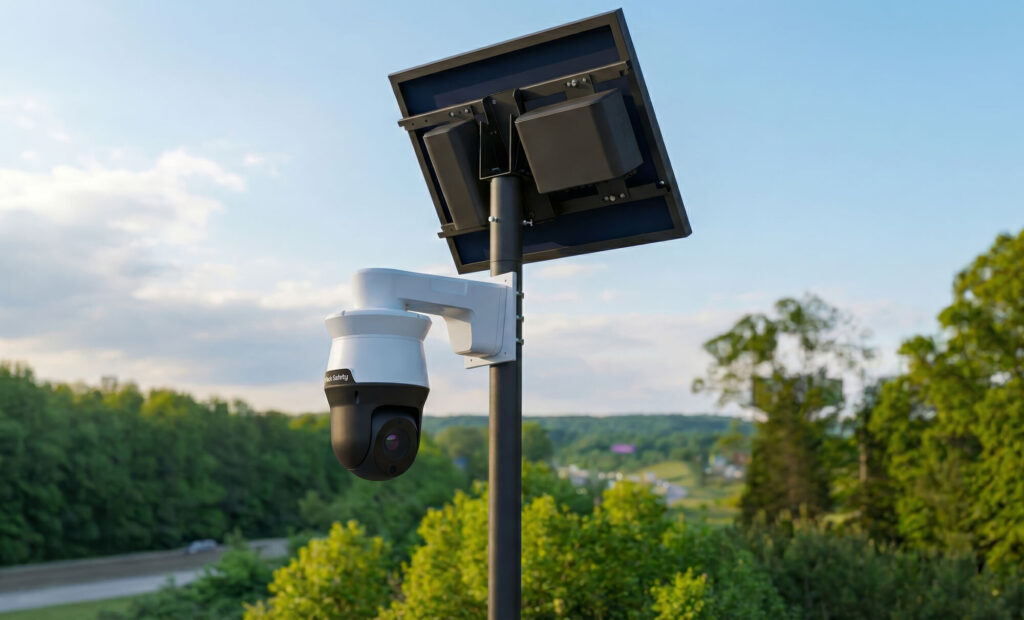
Flock Safety has become the dominant player in the automatic license plate reader market since its launch in 2017. The Atlanta-based company claims its cameras perform approximately 20 billion license plate reads per month and are used in over 6,000 communities. In addition to reading plates, the cameras can determine a vehicle’s color, make, model, and distinguishing features such as bumper stickers or roof racks.
Police departments can search this information, receive alerts when specific vehicles are detected, and in some cases track recent movements. Supporters point to impressive results. Flock CEO Garrett Langley claims the technology played a role in approximately one million arrests last year, while local officials often credit the system with helping solve murders, robberies, drug investigations, missing persons cases, and car thefts.
At the same time, critics point to several confirmed problems with the technology. In Oakland, stolen vehicle alerts were so numerous that the police turned them off. Across the United States, individuals, including police officers, allegedly abused the technology for illegal stalking. Journalists discovered completely unsecured cameras and showed how anyone with such access could obtain data on specific individuals.
Other critics argue that collecting information on every vehicle creates a form of mass surveillance, even though courts have generally ruled that license plate readers do not violate protections under the Fourth Amendment.
Organized resistance
Resistance is becoming increasingly organized. Websites such as DeFlock now gather information on camera locations. HaveIBeenFlocked.com allows users to search for their own license plates. Some cameras have reportedly been damaged with paint, stickers, or even saws. Which side of this debate do you stand on? Let us know in the comments below!
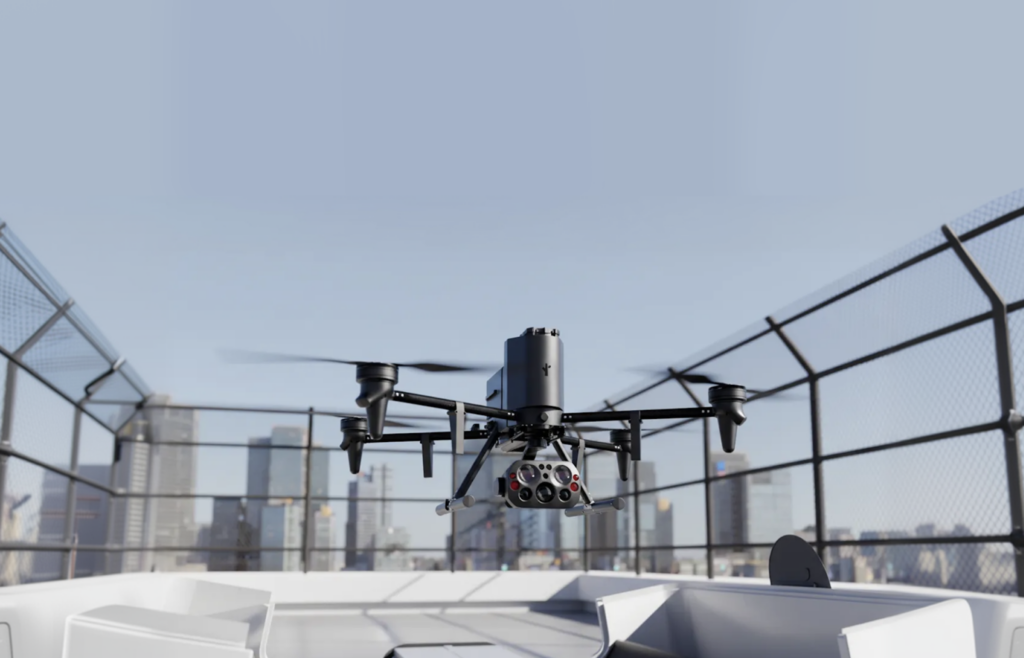
Photo: Flock Safety
This situation demonstrates the complex balance between security and privacy in the modern digital world. While Flock Safety’s technology does indeed help solve crimes, its widespread use without proper oversight raises serious concerns about potential abuse. Incidents involving unsecured data and cases of illegal surveillance only strengthen the arguments of opponents who demand clearer rules and restrictions. Future developments will show whether cities can find a compromise that allows them to leverage the benefits of the technology without sacrificing civil liberties.