 by
by Ford Expands Massive Recall Due to Seat Problems
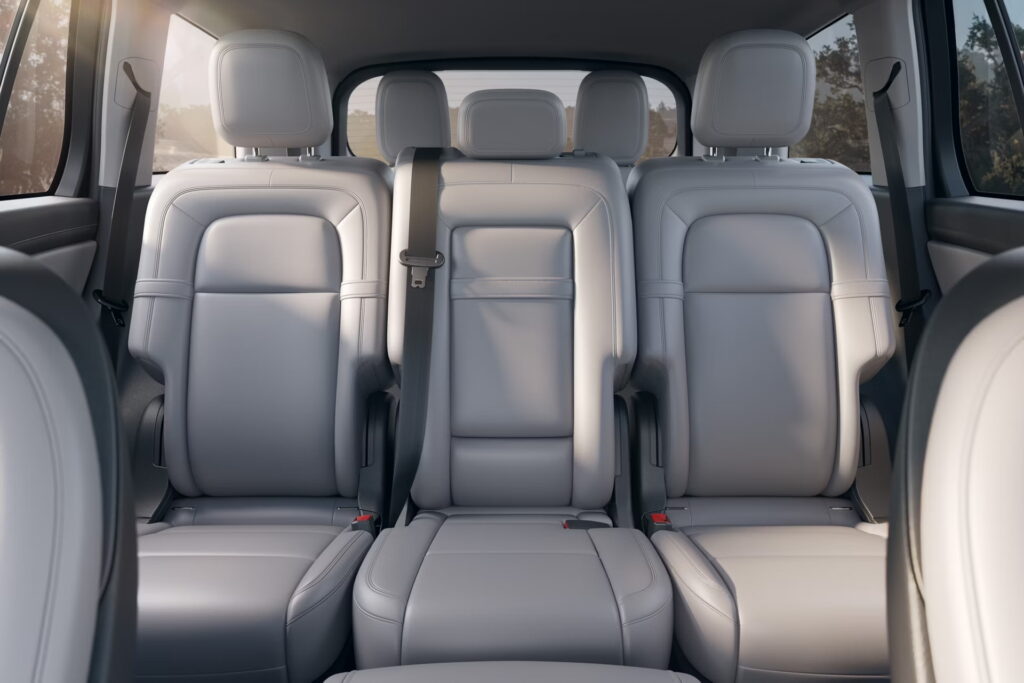
Ford Motor Company has announced an expansion of its recall campaign, which now covers nearly 388,000 Explorer and Aviator SUVs. The cause is defects in the folding mechanism of the second-row rear seats.
The Nature of the Problem and Scope of the Recall
Ford is recalling an additional 387,911 SUVs after it was determined that the issue identified during a previous safety campaign was not limited to the initially specified vehicles. The expanded recall covers 2020-2026 Ford Explorer and 2020-2027 Lincoln Aviator models equipped with second-row seats featuring the easy-entry function. Crucially, the list includes some vehicles that had already undergone the initial repair, indicating that the problem proved more persistent than initially anticipated.
Technical Cause of the Defect
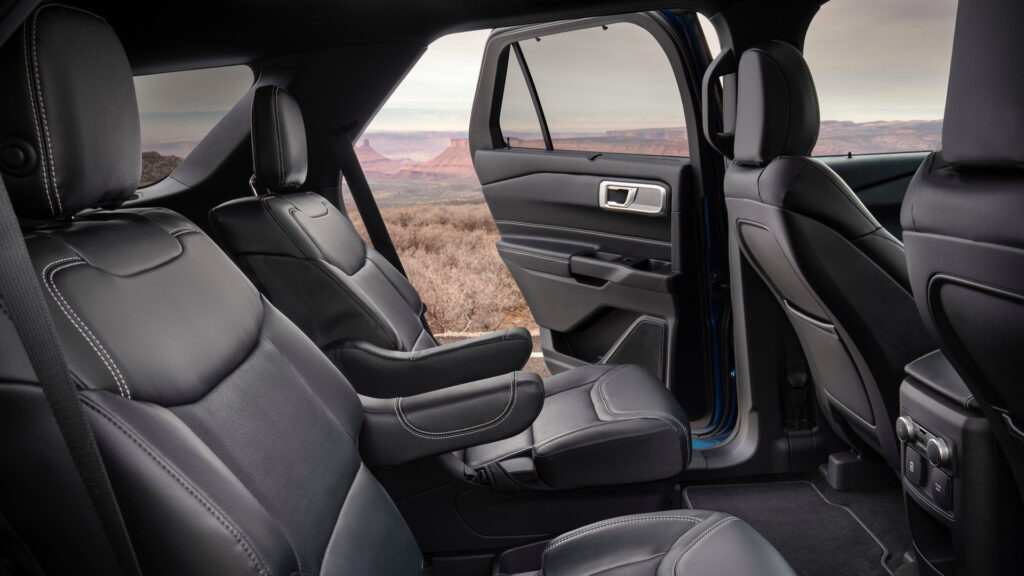
At the root of the recall is a defect in the switch ring for the second-row seat easy-entry function. According to Ford, this ring can shift or fall out during normal use, causing the switch to jam or stick in the pressed position. If this happens, the seat can unexpectedly recline forward or shift while the vehicle is moving, increasing the risk of injury, particularly in a crash.
Read: Ford’s Recalling A Quarter-Million Cars Because It Can’t Recall If It Fixed Them In 2018
Previous Attempts to Fix the Situation
The latest recall is based on campaign 25V393, launched in June 2025. At that time, Ford linked the problem to improperly installed switch rings supplied by the seat manufacturer and instructed dealers to check the installation and replace damaged components. Production changes and additional quality checks convinced Ford that the problem had been pinpointed. As it turned out, this was not the case.
New Incidents and Expansion of the Campaign
At the end of April 2026, Ford analyzed new field reports concerning vehicles produced after the initial recall date and discovered five additional instances of uncontrolled second-row seat movement while driving. The company also found four reports of vehicles that had already been repaired under the previous campaign.
Investigation Results and New Solution
These findings prompted a new investigation, which ultimately forced Ford to expand the recall to include all affected vehicles produced before June 24, 2026. This was when the original ring design was finally removed from production. As of June 16, Ford had identified 14 reports of uncontrolled seat movement related to this defect. Eight of these vehicles were not covered by the previous recall, while six were SUVs that had already been repaired under the earlier campaign. Ford reports being aware of one customer complaint filed with the NHTSA, though no accidents or injuries related to this fault have been reported. The fix involves dealers replacing the easy-entry switch ring with a new one featuring a more secure fit, which, theoretically, should prevent it from loosening in the future.

This situation underscores how complex detecting and fixing defects in modern vehicles can be, especially when the problem lies in seemingly minor components such as a switch ring. The fact that the defect manifested even in vehicles that had already undergone repair suggests the initial solution was not sufficiently effective. For owners of affected models, this means a necessary repeat visit to the dealer, although the company assures that the new fix should be final. The story also serves as a reminder of the importance of continuous quality monitoring even after formal recall campaigns are completed, as real-world operating conditions can reveal hidden flaws not noticed during factory testing.