
 by
by Chinese automaker Xpeng plans to enter the US market
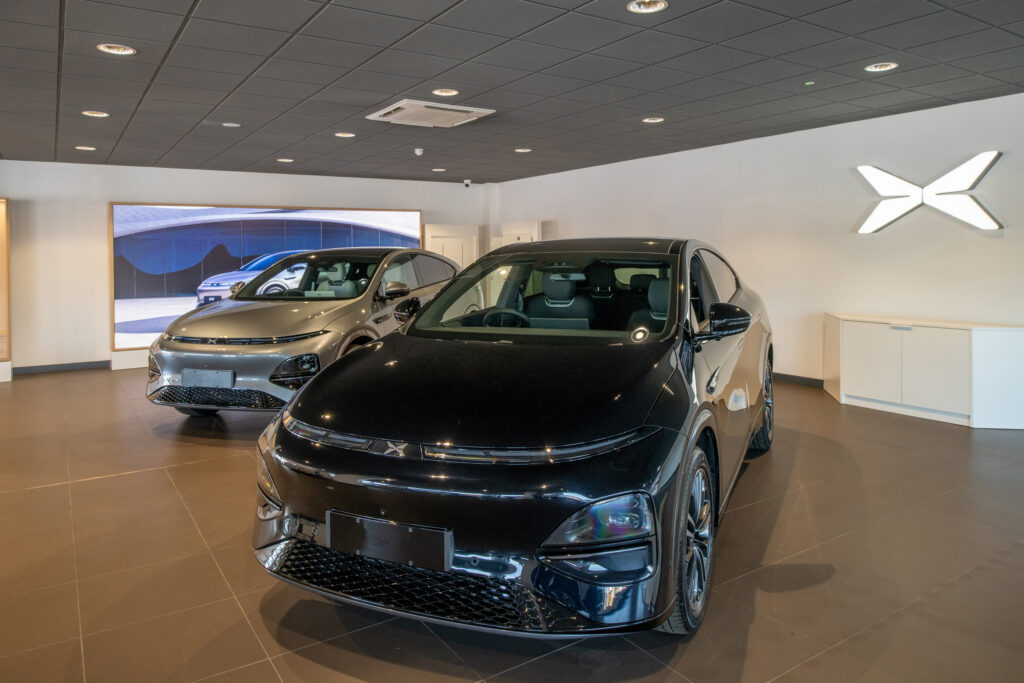
Xpeng, a company that produces interesting electric vehicles, delivered 103,295 cars in the first six months of the year. Although the brand is actively expanding in Europe, its ambitions go further — the company is considering a launch in the US.
In an interview with WardsAuto, Xpeng CEO He Xiaopeng stated:
America will become one of the most important markets we have to enter, because that will help us develop better.
This is not surprising, as Americans buy about 16 million new cars annually.
Political obstacles and prospects
Chinese automakers have been trying to enter the US market for decades, but the closest they have come is Polestar. As is known, this attempt was not successful, and the political situation is unlikely to change under the Trump administration.
However, Xiaopeng hopes the situation will change in the future. He explained:
I think if US policy allows companies like ours to stay or enter the market and build factories there, we will definitely support that decision.
This is interesting, as Trump seems to have changed his position on Chinese cars. Earlier this year, he said: “If they want to come, build a factory and hire you and your friends and neighbors, that’s great. I like it. Let China come.” Polestar did exactly that, but still got banned, while Volvo, which is produced at the same plant, got the green light.
Canada as a testing ground
The ban on Chinese cars is one of the few things Democrats and Republicans can agree on. This makes a US launch unlikely, at least in the near future.
Although the US market is still closed, launching Xpeng in Canada will be a good test. The company’s head of international development and service, Alex Tan, noted that they need to “assess and plan” the entry into the Canadian market, as they aim for a “long-term strategy to be there as a long-term brand.”
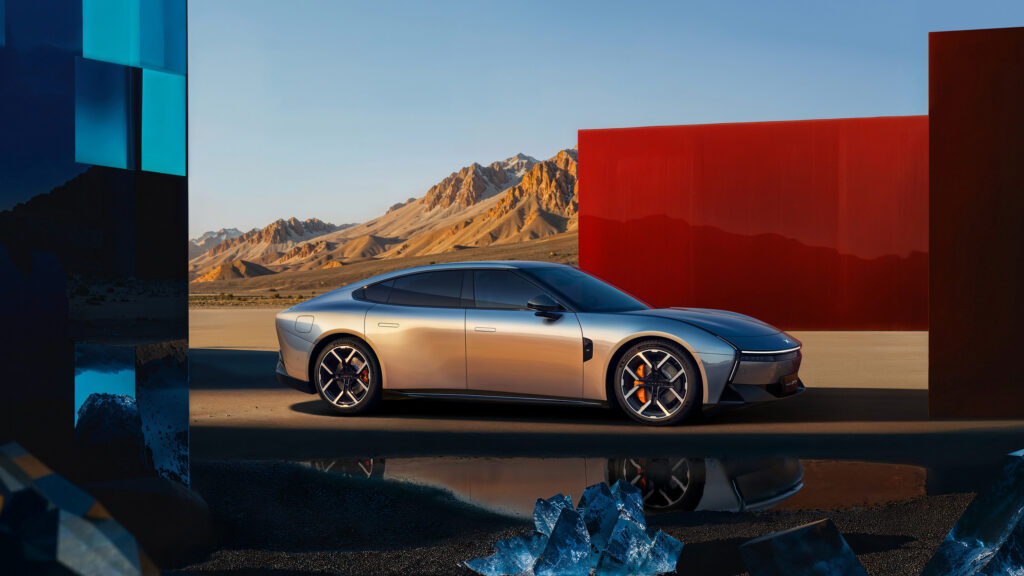
Thus, Xpeng continues to seek ways to expand, despite political barriers. The Canadian market could become a key stage for testing the brand’s strategy before a potential, albeit difficult, entry into the US. At the same time, the general political consensus on restricting Chinese cars in America remains a serious challenge that the company will have to overcome if it truly aims to become a global player in the world’s largest automotive market.
