 by
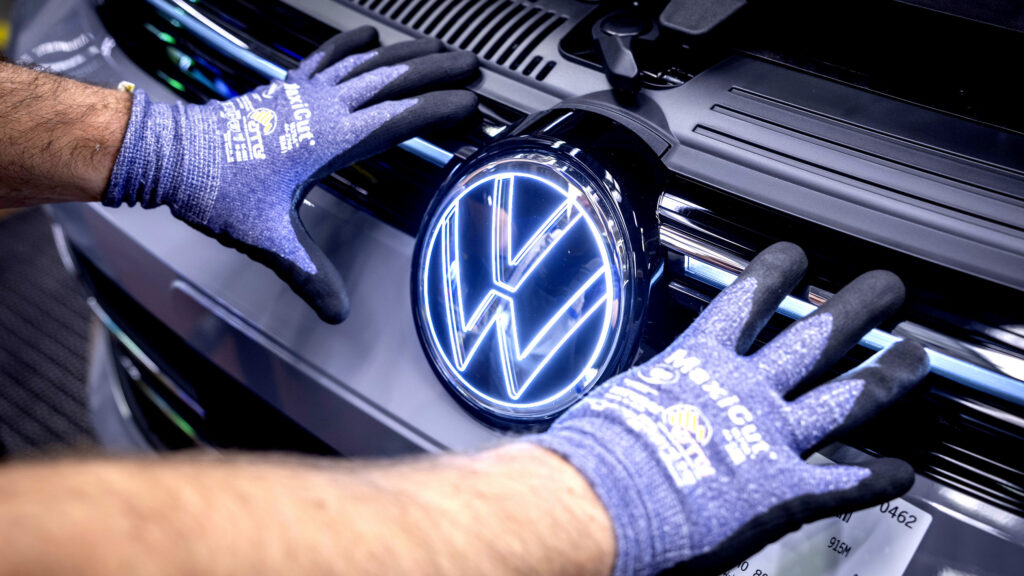
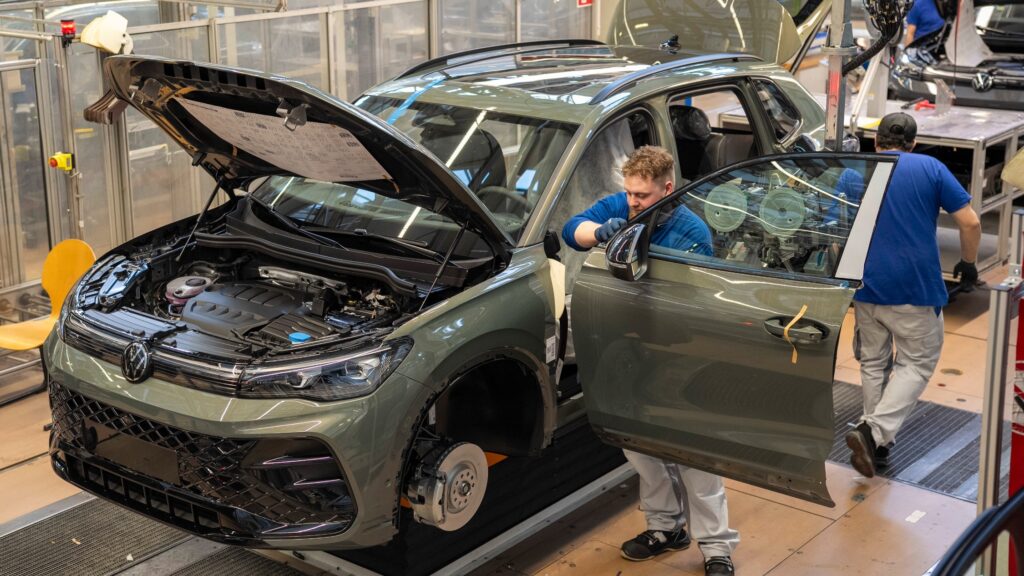
by Volkswagen’s colossal workforce was once considered a badge of pride. Today, it looks more like a massive bill that has finally landed on management’s table. The company employs roughly 60% more people than Toyota, yet the Japanese automaker still produces and sells more cars.
Numbers That Don’t Please Wolfsburg
The numbers look discouraging for the German group. The Volkswagen Group employs approximately 629,000 people worldwide, while Toyota gets by with about 391,000 employees. Despite such a huge difference, Toyota delivered 5.39 million cars in the first half of the year, significantly ahead of VW’s 4.13 million. That is an unpleasant reminder: more people does not mean more results.
It should be noted that the comparison, published in a report by German outlet DW, is not entirely black and white. Volkswagen still does much more work in-house than many competitors — from component production to engineering and development. This helped the company become one of the world’s industrial giants, but it also created a cost structure that is increasingly difficult to defend.
Thousands of VW Jobs Will Disappear
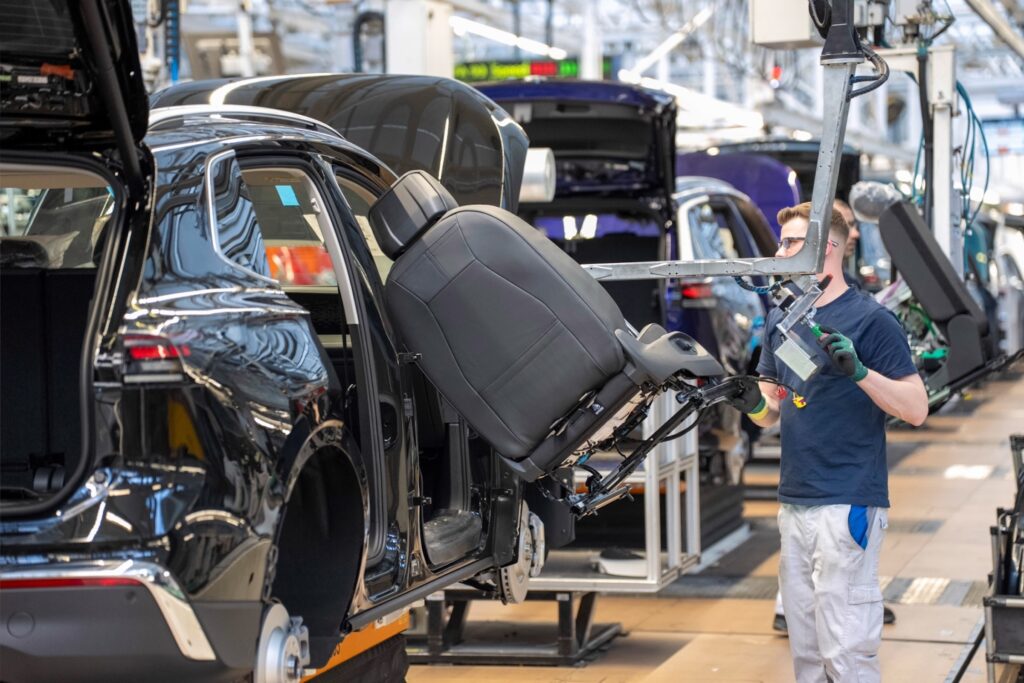
VW has responded by significantly expanding its restructuring plans. Up to 140,000 jobs are expected to disappear as the company seeks billions in savings. VW is not alone. BMW recently announced it would cut about 8,000 workers after weak demand in China hit sales and profits.
Mercedes-Benz has chosen a different approach but is pursuing the same goal. Alongside voluntary severance, the company is cutting costs by moving production of some of its most popular models from Germany to Hungary, where labor costs are significantly lower.
This does not mean the German automotive industry is over. But it does mean, as BMW CEO Milan Nedeljković told employees last week (via Reuters),
“the rules that define the industry have fundamentally changed”
. Right now, Toyota’s more efficient approach is making Volkswagen’s old formula increasingly expensive.
VW: New Realities
It is worth understanding that structural problems did not arise overnight. For years, VW relied on vertical integration, producing its own engines, gearboxes, and even seats. This provided control over quality, but created a cumbersome organization with high fixed costs. When Chinese brands turned into true global competitors rather than cheap imitators, profits in the key market began to pressure even the biggest players.
Electrification also did not become a simple salvation: demand for electric vehicles turned out to be uneven, and tariffs, high energy prices, and geopolitical instability only added to the problems. Therefore, headcount cuts are not just about efficiency, but about survival in conditions where every percentage point of margin matters. Toyota, with its more flexible structure and proven production system, shows that fewer people can mean more cars produced, if processes are built correctly. For Volkswagen, this is a painful but necessary lesson.