by
by 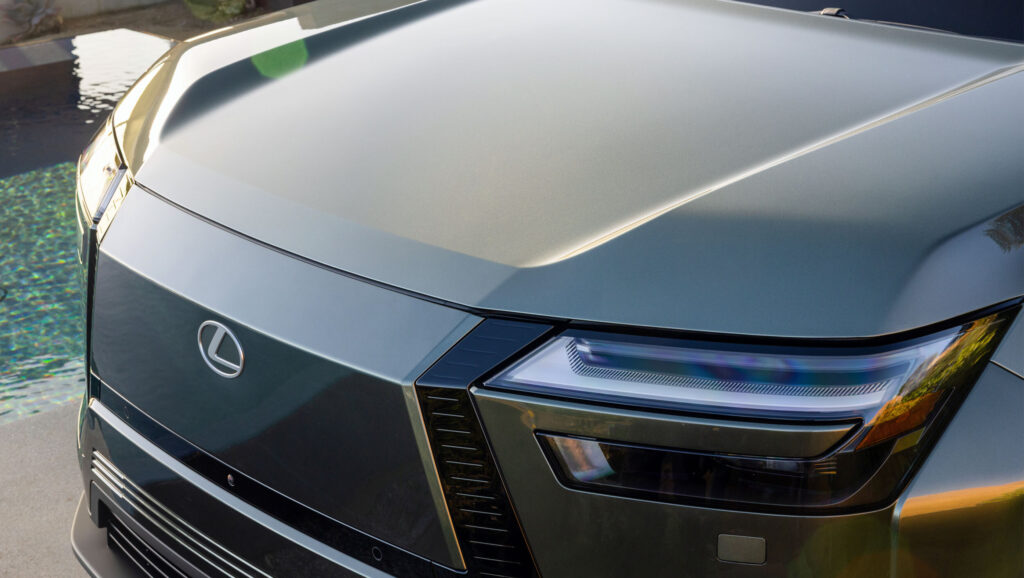
New Lexus EV: what we know
After a slow start, Toyota and Lexus have significantly expanded their electric vehicle lineups. However, one of their most important models is reportedly set to go into production in the fall of 2027.
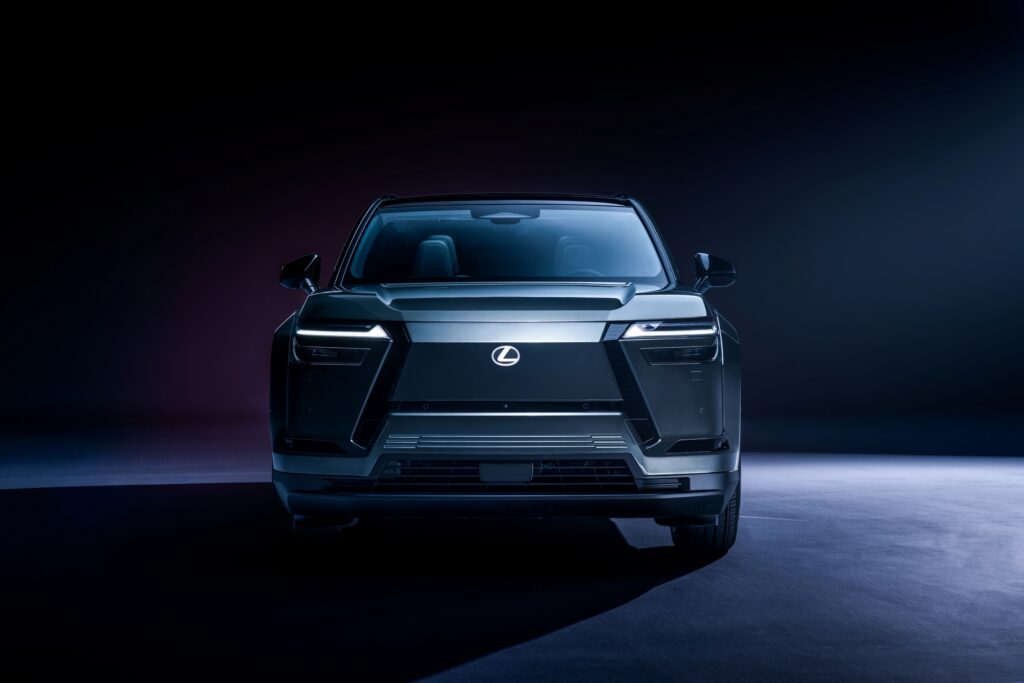
According to Nikkei Asia, Lexus will build a next-generation electric vehicle at a new plant in Shanghai. Not much is known about the model yet, but it is reportedly a crossover.
It will be “made using advanced technologies, including gigacasting, which allows multiple aluminum body parts to be formed as one large piece.”
More: Lexus canceled its next electric sedan and then approved a replacement the same day
Gigacasting was first used by Tesla and is gradually spreading across the automotive industry. The technology will be used in the future Ford Fathom, and it promises a significant weight reduction. In the case of the Lexus EV, this could increase the crossover’s range by a few percent.
Production and prospects in China
Lexus reportedly plans to produce about 1,000 units per month in the model’s first year. However, production is expected to grow to tens of thousands of units annually.
The model appears to be a China exclusive, which would be a shift for the automaker. A look at the company’s current lineup reveals a set of familiar models, including the NX, RX, GX, and LX. They are joined by the ES, LS, LM, and RZ. The latter is the brand’s only EV on the market, which makes such vehicles practically necessary.
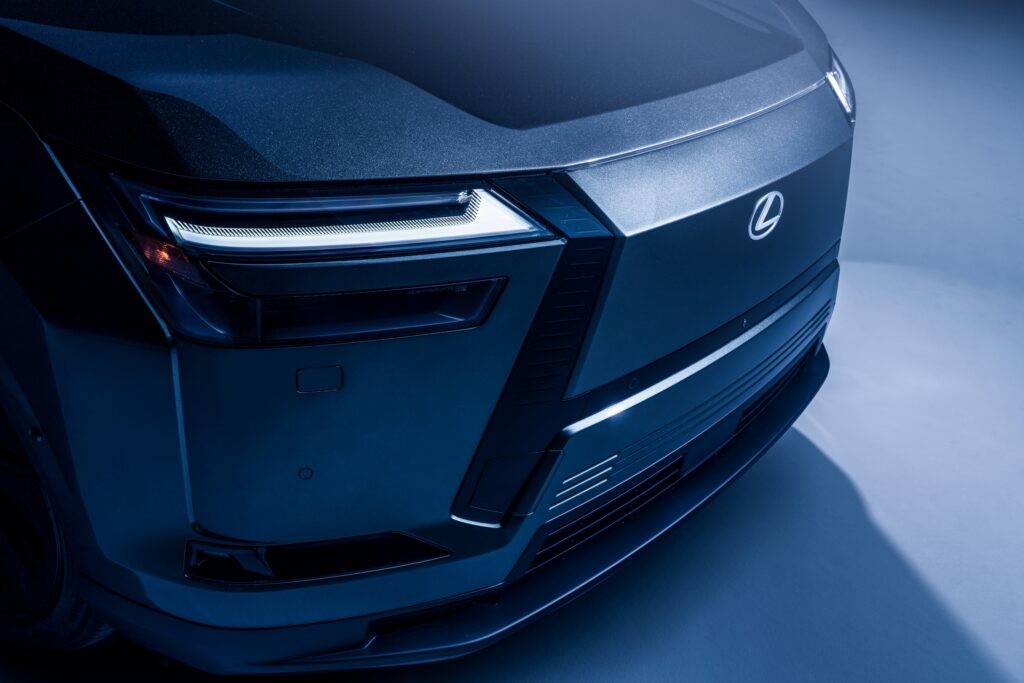
Photo: Lexus TZ
This move shows that Lexus is making a serious bet on the Chinese market, where electric vehicles dominate and local brands offer aggressive pricing and cutting-edge technology. The use of gigacasting also shows that Toyota is ready to implement innovative manufacturing methods where it matters strategically. The Shanghai-assembled crossover could be the key to increasing the brand’s share, but to do so it will have to compete with models such as the Tesla Model Y, BYD, and others. If the production plans actually materialize, this will be the first Lexus designed for China, which could change the company’s approach to global markets.