 by
by Tennessee Trooper Detained Sober Drivers for DUI
Police are meant to protect and serve the community. This includes identifying impaired drivers and removing them from the roads. However, a troubling issue is emerging in Tennessee that is beginning to undermine this work. State troopers are arresting sober drivers for driving under the influence. New communications show that officers are being retrained as a result. Additionally, the state is facing several lawsuits while legislators try to keep up with events.
Officer Retraining Amid Public Scrutiny
According to emails obtained by WSMV4, at least one officer with a history of eight arrests of sober drivers for DUI had to undergo retraining. This trooper is James Zane, who underwent four hours of remedial training after media reports revealed another case where a driver he arrested had no alcohol or drugs in their blood.
The retraining occurred against a backdrop of increased public scrutiny and state officials, including the governor’s office, monitoring the situation behind the scenes.
Internal Correspondence Raises Questions
In June 2025, a supervisor warned troopers in an email that the media was “closely watching” DUI protocol compliance and ordered them to strictly adhere to training to avoid lawsuits or disciplinary action. Zane confirmed receipt of the message. After reports revealed several arrests of sober drivers linked to Zane, another supervisor urged him to stay the course, writing:
“Continue to do the job as you were instructed.”

The letters also show that the Tennessee Highway Patrol (THP) recorded a video address regarding this controversy, but the governor’s office reviewed it and decided not to release it publicly. State attorneys have since denied requests for this video. Three people arrested by Zane have filed federal lawsuits, including former federal prosecutor Jane Bondurant, as well as two Tennessee residents. All three had blood tests that showed no presence of drugs or alcohol.
Legislative Response to the Situation
All of this is happening against the backdrop of a larger investigation into the situation, which has led to legislative changes. One new law already in effect requires the Tennessee Bureau of Investigation to track the number of sober drivers arrested for DUI each year and record which agencies made those arrests. Now, as a result of the entire sober arrest situation, a new bill is being considered.
The new proposal would allow drivers from other states to obtain their Tennessee arrest records, which current law does not permit. This issue arose after a woman from Alabama, arrested while sober, was unable to access her own report because she was not a Tennessee resident.
The bill has already passed the Tennessee Senate and will now move through the rest of the legislative process, while lawsuits against Zane continue to be considered in federal court.
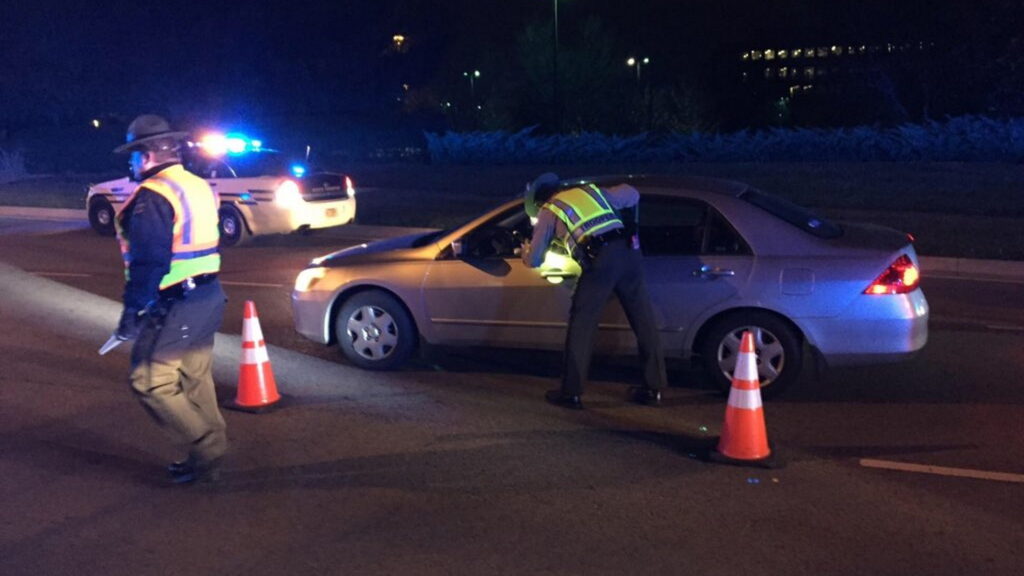
Photo: Tennessee Highway Patrol
This situation points to systemic issues in law enforcement training and oversight procedures, where even in the presence of errors, officers were advised to follow the established pattern. The implementation of new legislation regarding record-keeping and information access is a step forward, but the question of accountability for past mistakes and compensation for victims remains open. The success of the new laws will depend on how effectively they are implemented and whether they lead to real changes in patrol practices to prevent similar incidents in the future.