 by
by Land Rover Discovery Sport leaves the market
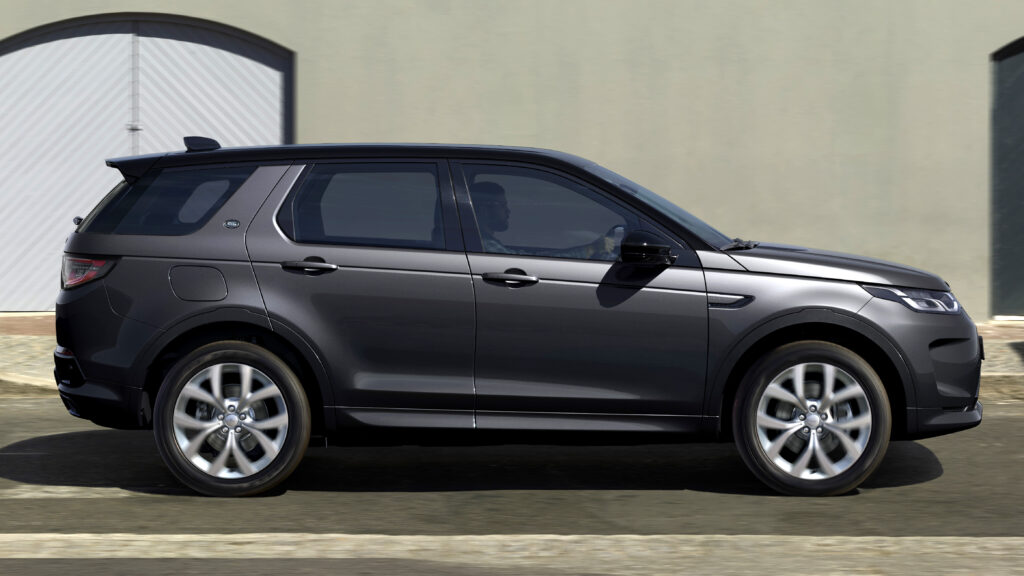
Land Rover is gradually updating its model lineup, but one of the oldest models is leaving the stage. This is the Discovery Sport, which debuted in 2014 after an investment of $256 million at the Halewood plant.
Declining sales and safety issues
Once a popular entry-level model of the brand, it has experienced a significant decline. In the last quarter, sales fell by 49.3% to 2,452 units. This made the Discovery Sport the slowest-selling Land Rover, behind the Discovery (2,561) and Range Rover Velar (4,605). For comparison, the similar Range Rover Evoque sold 10,615 units.
Official confirmation and reasons
As a Land Rover representative stated, production of the Discovery Sport will end in December 2026 in accordance with the normal lifecycle. In some countries, the model can no longer be ordered. The main reason is the new safety standards (General Safety Regulation 2) in force in the European Union. They require driver distraction warning systems and advanced emergency braking that recognizes pedestrians and cyclists. The Discovery Sport does not have the necessary systems to meet these requirements.
The future of the Discovery lineup
After the discontinuation of this model, the question arises about the fate of the entire Discovery brand. Earlier reports indicated that the larger Discovery is also in its final years, which could lead to the complete disappearance of the lineup. Instead, according to the publication, the upcoming Defender Sport will effectively replace the Discovery Sport. The Range Rover Evoque is likely to remain on sale, but it may also be gradually phased out after the arrival of the Defender Sport.
“Production of the Discovery Sport will end in December 2026 in accordance with the normal lifecycle. As part of this transition, a controlled production phase-out will be implemented for some markets before that date.”
SHProshots
Context and conclusions
The phasing out of the Discovery Sport is not just the end of a model, but a sign of a shift in Land Rover’s strategy. The company is actively shedding older models that do not fit strict environmental and safety regulations. The replacement with the Defender Sport indicates a transition to more versatile and technologically advanced vehicles that can simultaneously cover the segments of classic SUVs and urban crossovers. For the market, this means a further narrowing of the choice of available premium models, but with a simultaneous increase in safety levels. Whether the Defender Sport will meet expectations and prove that a separate Discovery brand is unnecessary – time will tell, but the trend is obvious: Land Rover is betting on unification and electrification.