 by
by BYD introduces new generation of batteries and fast charging
The company BYD announced the launch of the second generation of its blade batteries and fast charging technology. These innovations aim to solve one of the main problems of electric vehicles – the long time required to replenish energy reserves, bringing it closer to the speed of refueling a conventional car.
Key features of the new product include:
Record-breaking speed indicators
According to the manufacturer, the new system allows charging the battery from 10% to 70% in just five minutes. While fast charging itself is not new, such indicators are unprecedented. BYD claims this sets a new world record for charging speed for mass-produced vehicles.
However, the second-generation blade battery and fast charging system is notable for being able to charge vehicles from 10% to 70% in just 5 minutes, and from 10% to 97% – in nine minutes.
Efficiency under extreme temperature conditions
Importantly, the system demonstrates high efficiency even at extremely low temperatures. For example, at -30°C frost, charging from 20% to 97% will take only 12 minutes, which is an impressive result for electric vehicles.
Technical details and implementation
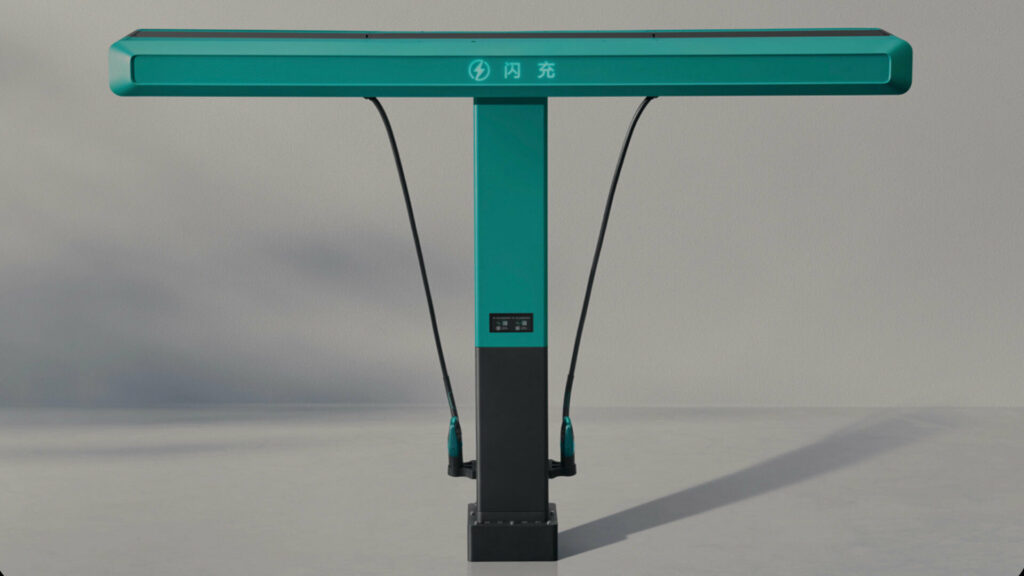
The details are not yet fully disclosed, but the manufacturer hints that the battery will provide the car with a range of up to 1036 kilometers. As for the fast charging devices, their power is 1500 kW, which significantly exceeds the indicators of traditional chargers.
BYD plans to deploy 20,000 such charging stations across China by the end of the year, and 4,239 units have already been installed so far.
Improved durability and warranty
The company also emphasized that the new battery should retain its capacity better compared to the first generation. Accordingly, the warranty coverage has been expanded: it is guaranteed that the battery will retain at least 87.5% of its capacity after two years or 50,000 kilometers of mileage.
After six years or 150,000 kilometers, the capacity should be no less than 77.5%, and after eight years – 72.5%. The capacity retention rate at each stage increased by 2.5% compared to the first-generation battery.
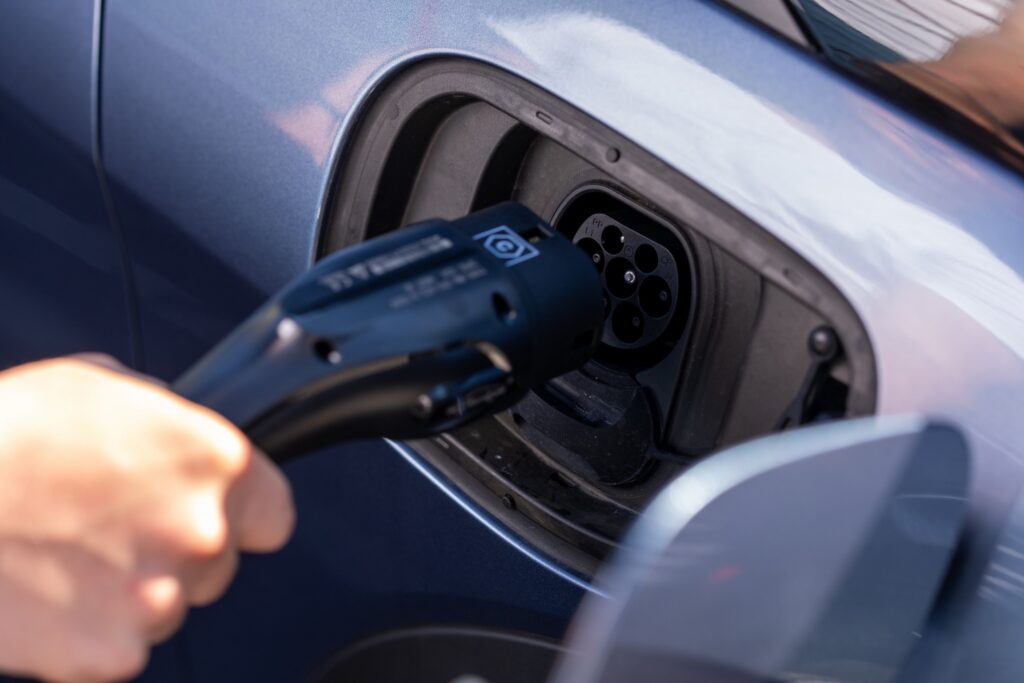
These technological breakthroughs could significantly influence the perception of electric vehicles, particularly among drivers who fear long charging times. If BYD manages to scale these solutions and maintain the stated characteristics, it could accelerate the transition to electric transport, especially in regions with developed fast-charging infrastructure. Success will also depend on the real-world durability of the batteries in everyday use and on how accessible such fast charging stations will be for average users.