 by
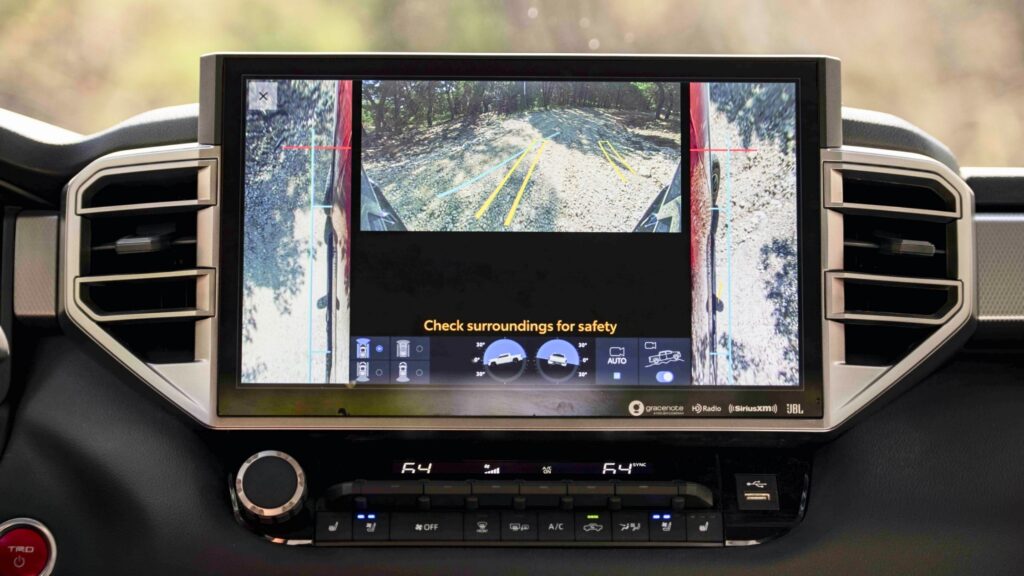
by Remember when reversing meant craning your neck so far you could pull a muscle? Rear-view cameras were supposed to make this easier and help spot dangers that even the most experienced driver can’t see. However, the American experience since these devices became mandatory suggests otherwise: cars have become noticeably less reliable, and sometimes — less safe.
A Bloomberg analysis of NHTSA data found that automakers recalled approximately 21 million vehicles due to rear-view camera problems in the eight years since the federal requirement was introduced. Adding other vehicles such as motorhomes or small buses, the figure approaches 28 million, according to analysts.
Just last year, nearly 6 million vehicles were recalled due to such malfunctions. At the same time, NHTSA received about 2,000 complaints from drivers. Some sound like mere annoyance, such as a black screen appearing when engaging reverse. Others are far more serious: the display shows old footage instead of what is actually happening behind the car. That’s frightening, especially when you’ve already started backing up and have grown accustomed to relying on technology.
Rear-view camera recall statistics
NHTSA and Bloomberg publish the following recall trends by year:
- 2018 — 306,920
- 2019 — 1.54 million
- 2020 — 3.07 million
- 2021 — 504,360
- 2022 — 1.20 million
- 2023 — 2.88 million
- 2024 — 2.70 million
- 2025 — 5.84 million
- 2026 (as of July 1) — 2.93 million
Source: NHTSA / Bloomberg
We have raised this issue before. Last year, Carscoops counted more than 180 camera-related recalls since 2018, with Ford confidently leading the list. 2026 has not shown that engineers have finally solved the problem either.
In March, Ford recalled 1.7 million vehicles across two campaigns. One involved a flipped rear-view camera image, and the other involved a component overheating that could darken the infotainment display. In May, Honda recalled nearly 60,000 electric vehicles whose cameras could let in water or debris.
The camera is not to blame
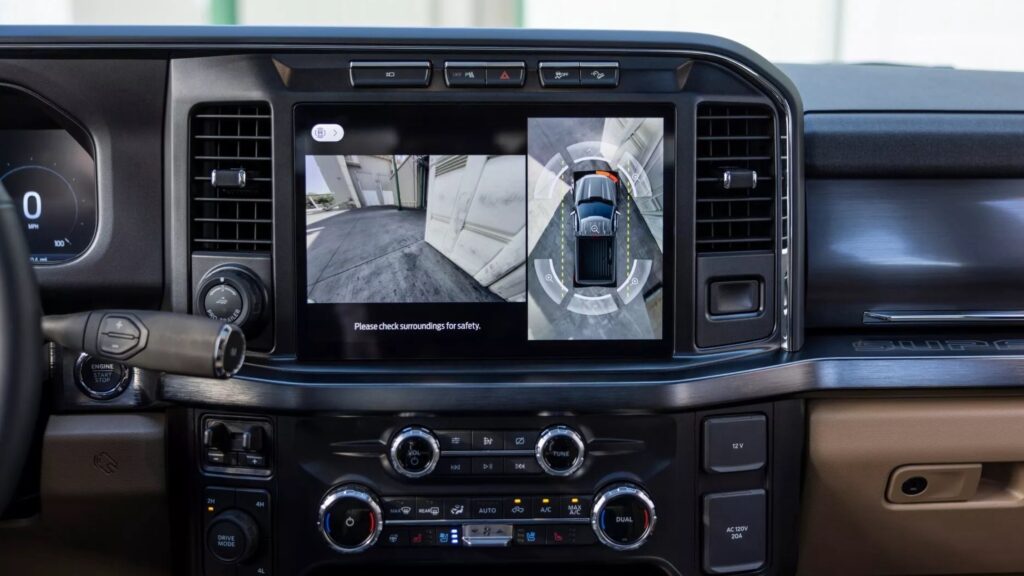
But in reality, the cause isn’t the camera itself. It’s the computer that processes the image captured by the camera. The camera, wiring, processors, software, and display must work together flawlessly for the video to reach the screen. Every additional link is another opportunity for failure.
JD Power data highlight the scale of the technological headache. Since 2022, rear-view cameras have ranked among the top ten most problematic vehicle features every year, according to Bloomberg. And in the latest 2026 Initial Quality Study, only infotainment systems have become increasingly problematic.
A future without a rear window
None of this means we want to get rid of rear-view cameras. They can show children, cyclists, and low obstacles that mirrors simply cannot capture. That’s why regulators made them mandatory. But when companies are now designing cars without rear windows, such as the Polestar 4 and the upcoming Jaguar Type 01, relying on cameras to completely replace the rear window, it is critical that this technology works flawlessly for many years.
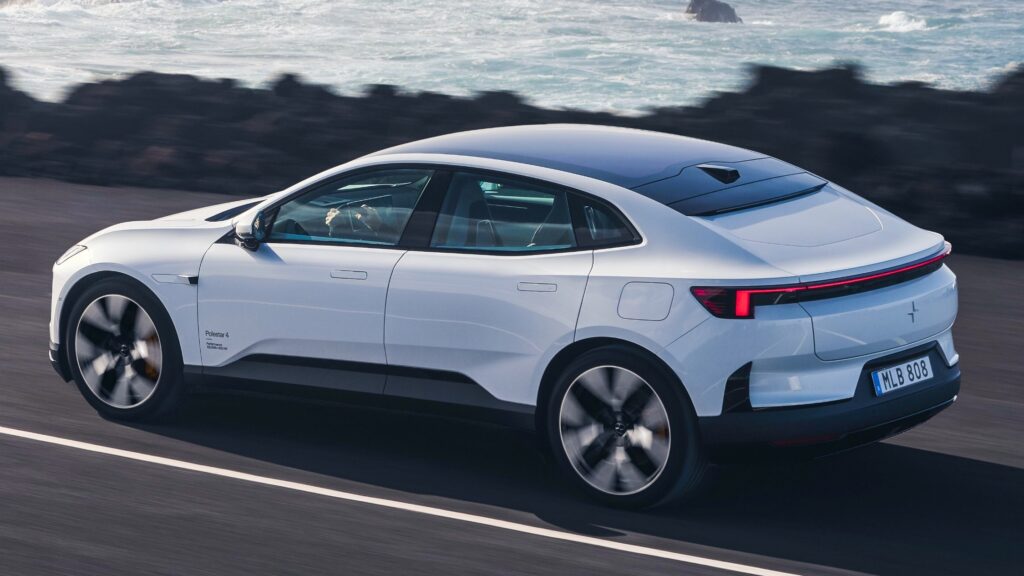
Toyota, Ford, Polestar
These three brands are just the tip of the iceberg. The rear-view camera problem has turned out to be far broader than it initially seemed. Automakers are trying to fix shortcomings with software updates and component replacements, but so far the pace of recalls is not slowing down.
It is also worth considering that the growing number of recalls points not only to technical flaws, but also to a change in quality-control approaches. Previously, manufacturers tested cars for years before releasing them to market. Now, amid the race for innovation and constant software updates, some shortcomings are already showing up in owners’ hands. This is especially alarming for models that rely entirely on cameras instead of traditional glass. If the system fails at the most critical moment, the consequences could be far more serious than a parking mistake. So for now, rear-view cameras remain a useful assistant, but not a silver bullet, and relying on them requires a degree of caution.