 by
by The Automotive Industry is Experiencing a Wave of Leadership Changes
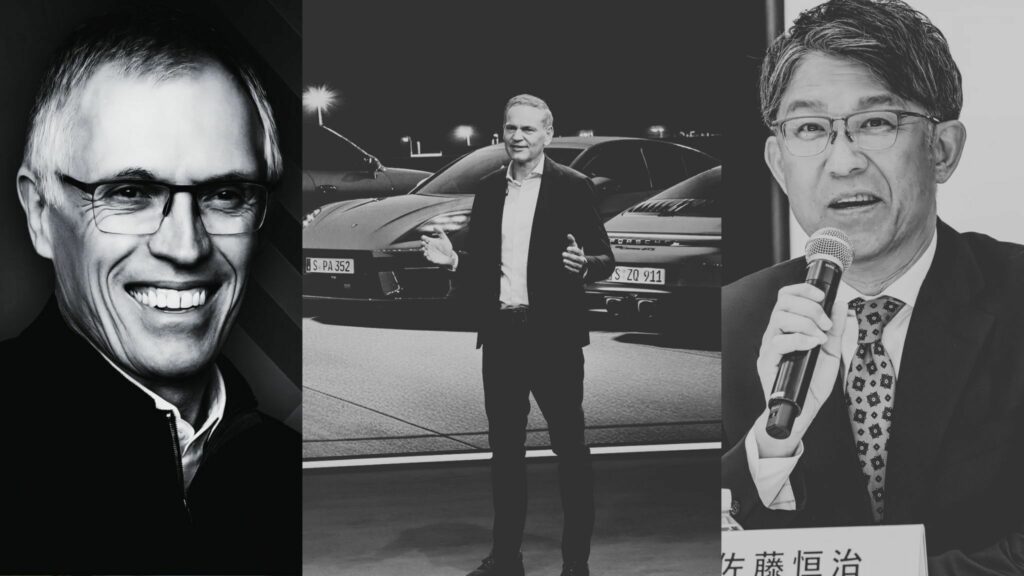
Recent events indicate that now is not the best time to be the top executive of a global car company. Giants such as Porsche, Nissan, Stellantis, Volvo, Renault, Jaguar Land Rover, and Hyundai have already announced changes in their leadership. Toyota and BMW are expected to join them later this year. The simultaneous reboot of so many major brands speaks volumes about the state of an industry facing pressure from new Chinese competitors, an inevitable electric future, and consumer reluctance.
Former Advantages Have Become Obstacles
For decades, automakers relied on their massive scale, deep engineering expertise, and established supply chains. However, these strengths now often create friction. Electric vehicles require fewer components, software needs constant updates, and artificial intelligence has become a key part of safety and driver-assistance systems. Chinese manufacturers are flooding the market with affordable, tech-saturated EVs, and Silicon Valley companies are approaching full self-driving. Traditional car companies suddenly seem slow, even if they aren’t.
Analysts note that boards of directors are scrutinizing their CEOs more closely than ever, as one miscalculation can cost billions.
An Example of Rapid Rotation: Toyota and Stellantis
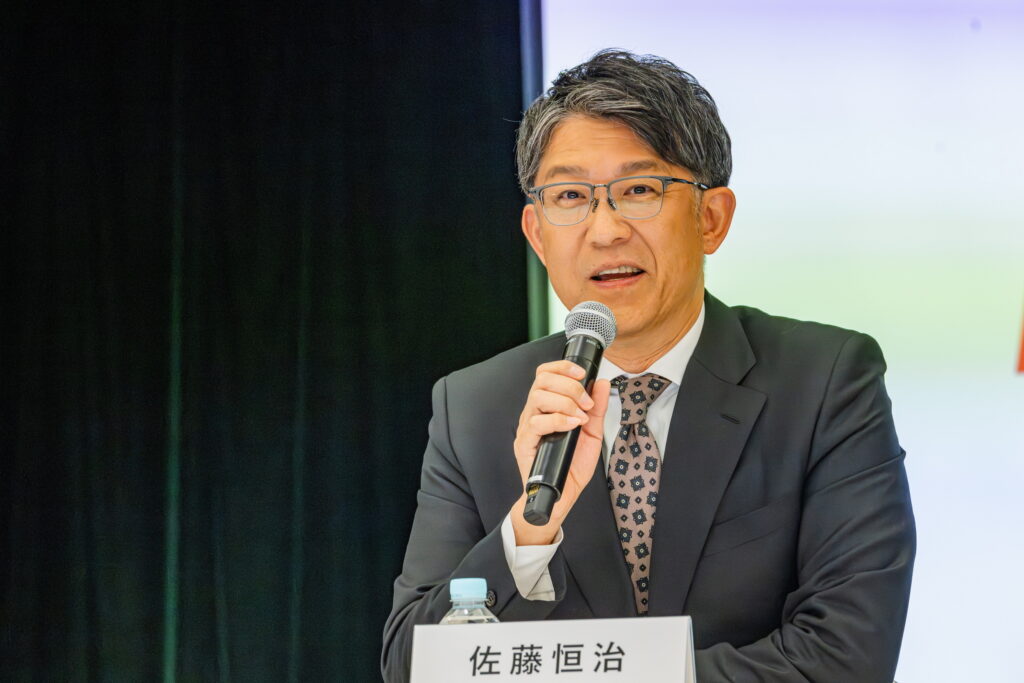
The leadership change at Toyota is a prime example of the new trend. Koji Sato held the CEO position for only three years before handing over responsibility to CFO Kenta Kon. This happened despite the company’s record sales and profits. Sato himself noted that the current pace of industry development is making old benchmarks obsolete.
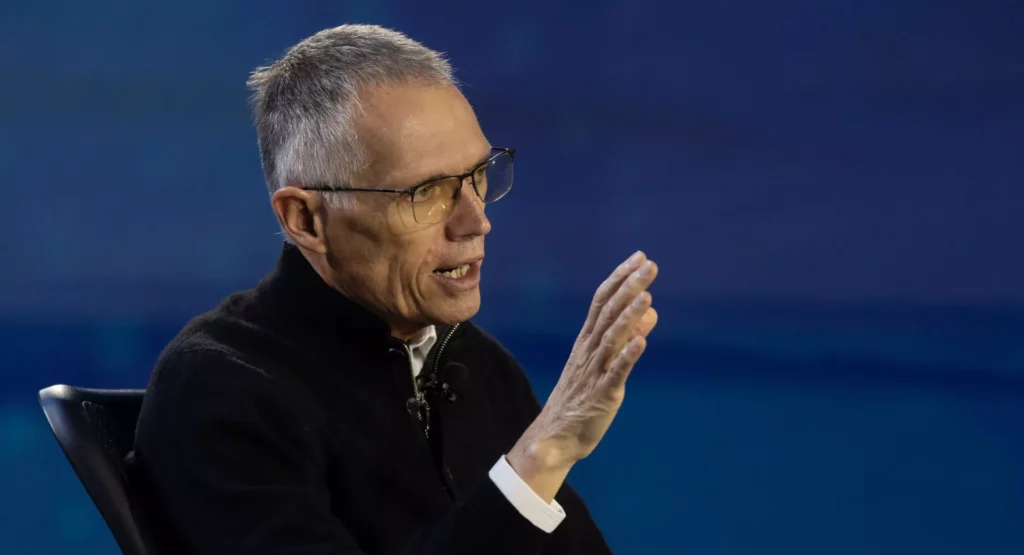
Stellantis also saw changes: Carlos Tavares stepped down due to disagreements with the company’s plans. Antonio Filosa now leads the 14-brand conglomerate, and his task is to defend the European business from Chinese companies and address challenges in the American market. These are not the only changes at the company: in early March, the CEO of Chrysler and Alfa Romeo, Chris Feuell, also left his position.
New Challenges and an Expanded CEO Job Description
Today’s auto company CEOs are not just managing car manufacturers. They simultaneously head technology companies, battery manufacturers, AI labs, and robotics enterprises. Future growth, according to analysts, will depend not only on vehicle sales but also on mobility services, defense technologies, automation, and software platforms.
Renault produces drones for the French army. Hyundai is preparing to launch a robotics business with the goal of producing tens of thousands of units per year and even plans to deploy humanoid robots at its Georgia plant.

The Modern Leader’s Dilemma: Balancing the Present and the Future
Meanwhile, the old business cannot be ignored. Gasoline and hybrid cars still generate the cash needed to fund EV and software development. Companies that rushed into electrification too quickly and aggressively have already paid the price. GM, Ford, Honda, and Stellantis have written off tens of billions of dollars on unused EV plants and battery programs. This is the core dilemma of the modern CEO: investing significant funds in the future without starving the present of resources.
Searching for a New Type of Leader
Younger leaders, such as Ivan Espinosa of Nissan, reflect a shift towards tech-savvy top managers. Analysts believe companies should look for the next generation of CEOs even further beyond the automotive world—in the semiconductor industry and advanced manufacturing. Transforming century-old automakers is a slow process, and even the best leaders face structural constraints: a huge workforce, complex labor agreements, and global factory networks that cannot be changed overnight. However, boards are making it clear that inaction is even riskier.
The new wave of CEOs inherits problems no previous generation has faced. They must balance the old and the new, anticipate technological leaps, respond to geopolitical tensions, and compete simultaneously with Chinese EV factories and Silicon Valley software talent. This period of transformation is likely to continue, and stability in the executive suite may remain rare until the industry finds a new equilibrium between its glorious past and an uncertain, but technologically oriented future. Success will depend on the ability not only to manage but also to constantly redefine the very essence of the automotive business.