 by
by Incident with an Amazon Driver and HOA Security Guards
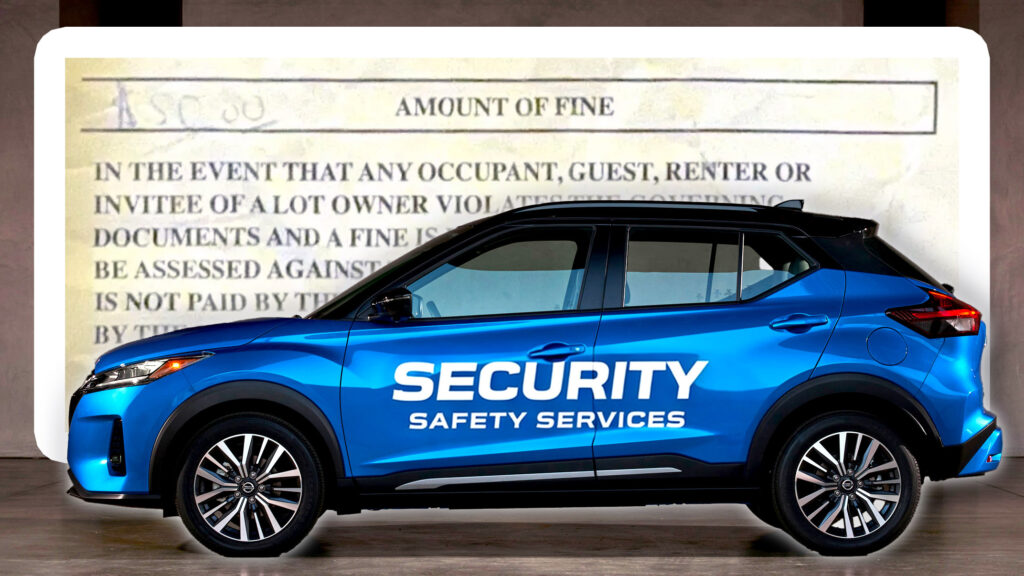
Security guards are often the subject of jokes, called “mall cops” and sometimes disrespected. However, situations occur where such guards overstep their authority. A vivid example recently happened with an Amazon delivery service driver.
The driver claims that HOA (Homeowners Association) security guards blocked his car and issued a fine for speeding. It remains unclear whether this fine has any real legal force.
Event Details
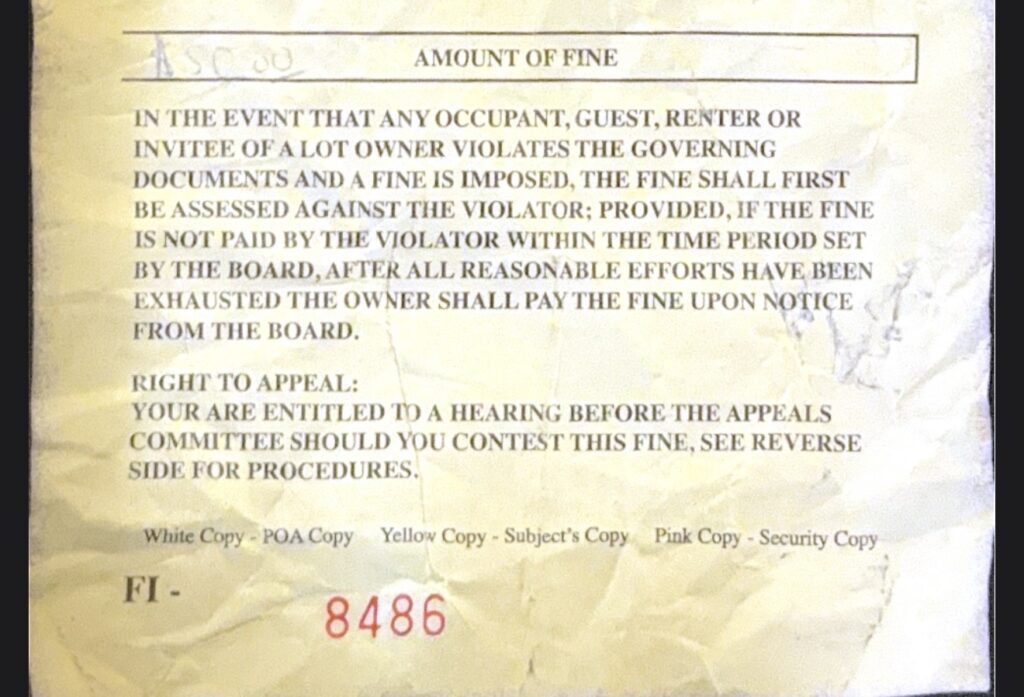
The incident, shared on the Reddit legal forum, occurred during a delivery to a private residential complex. According to the driver, HOA security guards stopped him after an electronic speed sign showed 31 miles per hour in a zone with a 15 mph limit. He was issued a $50 fine. The guards were armed but were not sworn law enforcement officers, and the driver described the interaction as tense and unpleasant.
The driver notes that the citation lacks any references to South Carolina statutes or traffic laws.
Can Private Security Guards Issue Real Fines?
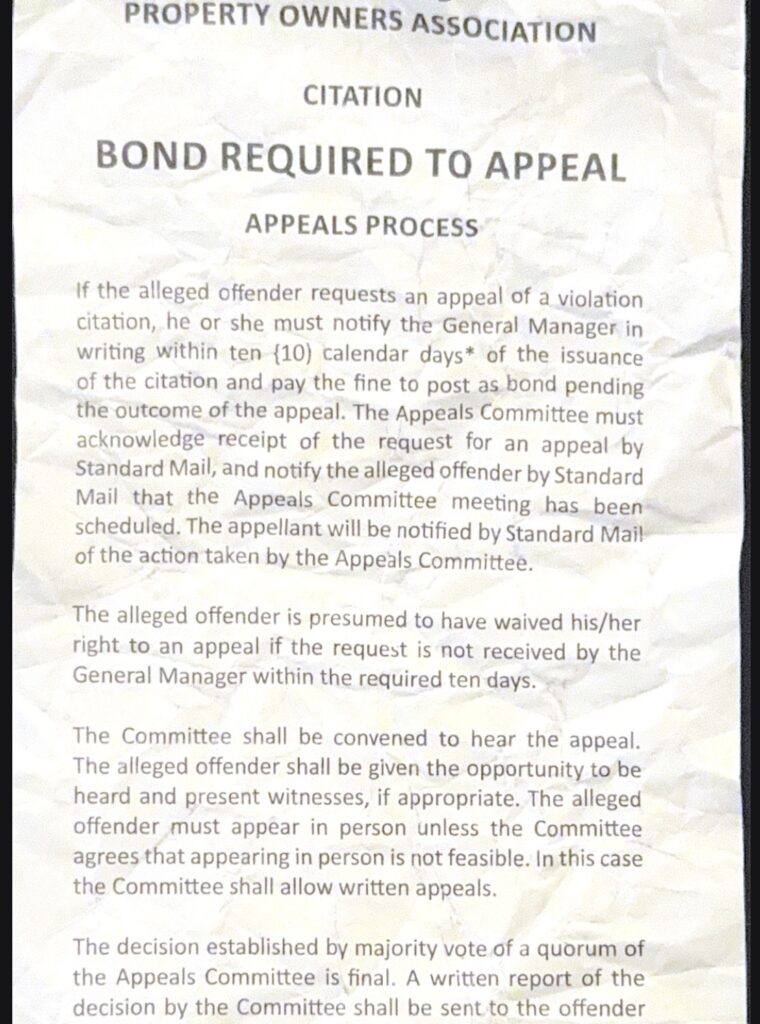
The citation itself appears to be a private document, not a uniform traffic ticket. Importantly, the driver claims it contains no references to South Carolina legislation. This is a key point, as the state has an interesting law that may be relevant: the “Uniform Act Regulating Traffic” (UART) does indeed allow security guards to issue fines for traffic violations on private roads.
This law was passed in 1978, and in 2001 the South Carolina Attorney General affirmed its legality but left some caveats. While they can legally issue a fine, enforcing its collection is an entirely different matter.
For a fine to be collectible, several conditions must be met, including the private roads being officially registered under UART, as well as adhering to required procedures, signage installation, and obtaining approval from the South Carolina Law Enforcement Division (SLED).
Is the Fine Valid?
In the absence of such registration, according to the Attorney General, fines for standard violations like speeding are likely invalid and “should be voided.”
Even when private roads are properly registered, only uniform traffic tickets issued under state law, not HOA rule violations, can be forcibly collected through the court system.
If the fine was not issued based on a state traffic law, HOA security guards can do very little to collect it. However, according to additional information from the driver, the event occurred on Fripp Island. This location suggests that UART is likely in effect there, so they seem to know the law and how to act to collect fines.
Next Steps
Journalists have contacted representatives of Fripp Island management to inquire about how they enforce such fines. A request was also sent to local law enforcement to get their perspective on the situation. Updates will be published as soon as a response is received.
This case highlights the complex interaction between private law and public order, especially in gated communities. While HOAs have certain powers to enforce rules, their jurisdiction is often limited, and attempts to mimic law enforcement authority can lead to disputes and legal uncertainty. For drivers operating in such areas, it is important to know their rights and responsibilities, as well as understand the difference between internal HOA rules and official state laws. South Carolina’s legal system provides avenues for protection, but they require knowledge of procedures and a willingness to defend one’s position.