 by
by The Essence of the Recall
Hyundai has announced a recall of two of its latest electric vehicles, the Ioniq 5 and Ioniq 9, in the United States due to a potential fire risk caused by a battery defect. Both models are currently produced at the company’s plant in Georgia.
According to the company’s statement, the problem concerns internal components of the battery pack. The recall notice indicates that high-voltage busbars may have been improperly tightened during assembly.
If the fastening bolts loosen over time, it can lead to an electrical short inside the battery pack, which, in turn, could trigger a fire. Hyundai also notes that such unreliable connections can disrupt voltage readings, causing the vehicle to enter a fail-safe operating mode.
Number of Affected Vehicles
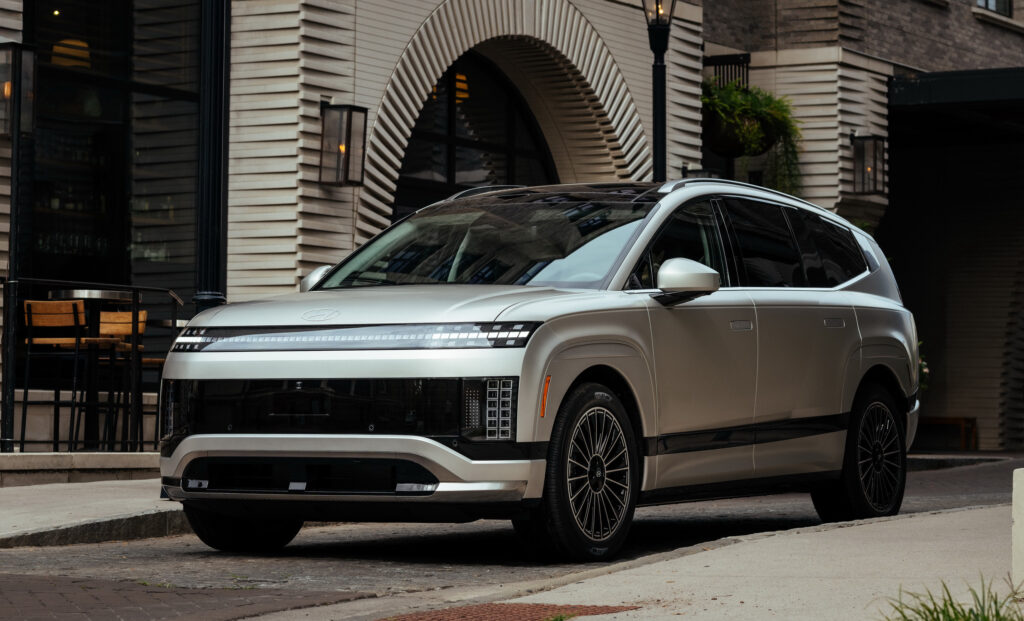
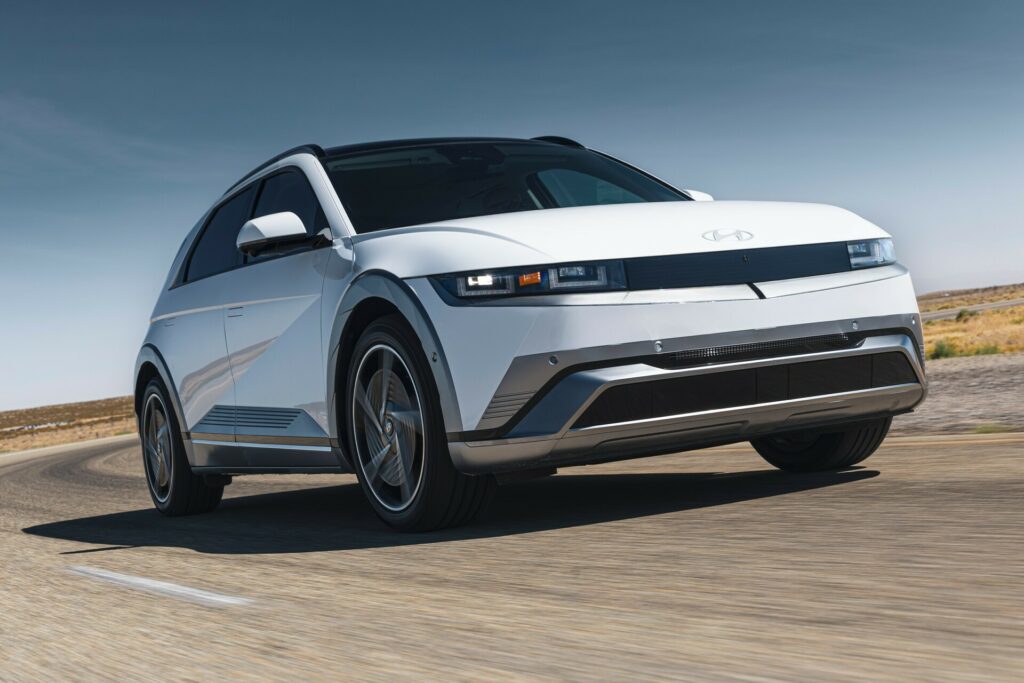
The recall involves a very limited number of vehicles. Hyundai has identified 21 units of the 2025-2026 model year Ioniq 5, manufactured between January 24 and September 8, 2025. Additionally, only six Ioniq 9 units, produced from April 8 to September 12, 2025, are also subject to this action.
Problem Discovery and Further Actions
The problem was first detected in November when Mobis North America Electrified, an internal battery supplier for Hyundai, identified a battery system assembly that failed a quality inspection. Insufficiently tightened busbar bolts were determined to be the root cause. By December, Hyundai had compiled a list of potentially affected vehicle identification numbers (VINs), and the recall decision was made in January.
Hyundai confirmed that no related incidents have occurred in operation. To date, there have been no reports of accidents, fires, or injuries related to this issue.
Starting April 6, Hyundai will notify both owners and dealers. The fix is quite simple. Dealers will inspect the busbar bolts in the battery system assembly and tighten them if necessary.
This case serves as a reminder of how critical the assembly quality of even the smallest components is for electric vehicle safety. Improperly tightening a bolt can have serious consequences. The proactive detection of the problem by the supplier and Hyundai’s swift response, even before any on-road incidents, demonstrates the functioning of quality control systems. For owners of the affected vehicles, the correction procedure appears to be quick and cost-free, which is a positive signal in the context of overall electric vehicle reliability.