 by
by Artificial Intelligence Accelerates the Car Creation Process at General Motors
Creative work has always required time, multiple iterations, and intuition, yet new tools are beginning to compress this process in unexpected ways. The development of artificial intelligence poses a threat to millions of jobs, including in creative industries and the automotive sector. Instead of hiding from AI, General Motors’ design studios and engineering labs are actively using it and claim that it helps bring ideas from paper into the virtual world faster than ever before.
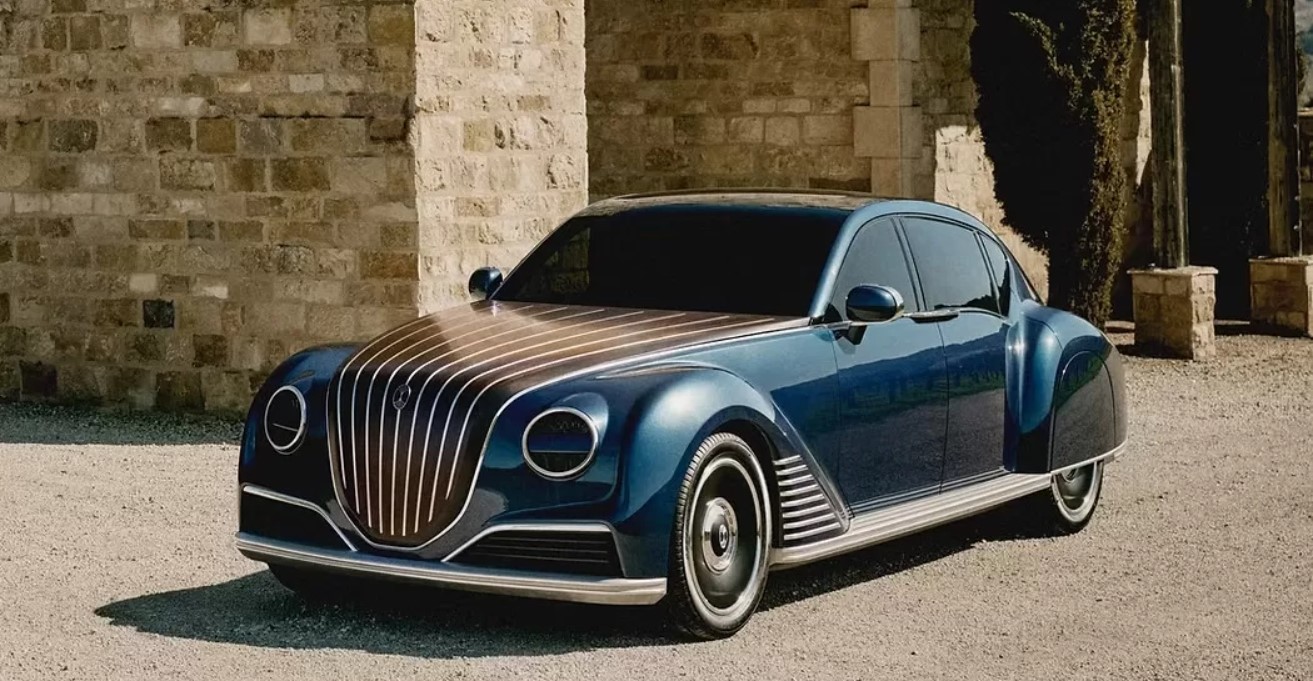
While there are many tools that can create a car from scratch with a simple prompt, GM is not using AI for that. New designs still start with pencil sketches, but then artificial intelligence can quickly and easily create complex renders and even detailed 3D animations.
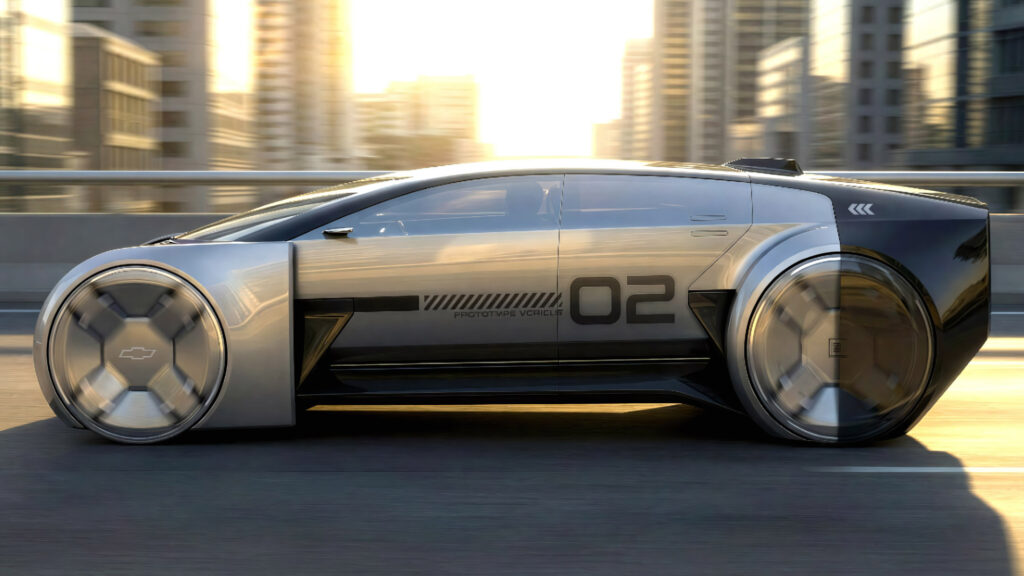
According to one of GM’s creative designers, Daniel Shapiro, it typically takes months of work by entire teams of designers to go from a sketch to a detailed animation. Now, AI-based visualization tools can do all of this in less than a day.
The company states that thanks to the time saved by AI, designers can quickly generate dozens of variations of a single design and then refine them. AI also gives designers time to develop more ideas, extracting them from imagination, transferring them with a pencil onto paper, and then allowing the tools to bring those sketches to life.
Aerodynamics, Driven by Artificial Intelligence
Instead of going down one path, we can explore many more, and one can be less meticulous about ideas. I don’t want to exaggerate, but it has changed the way we work on a daily basis.
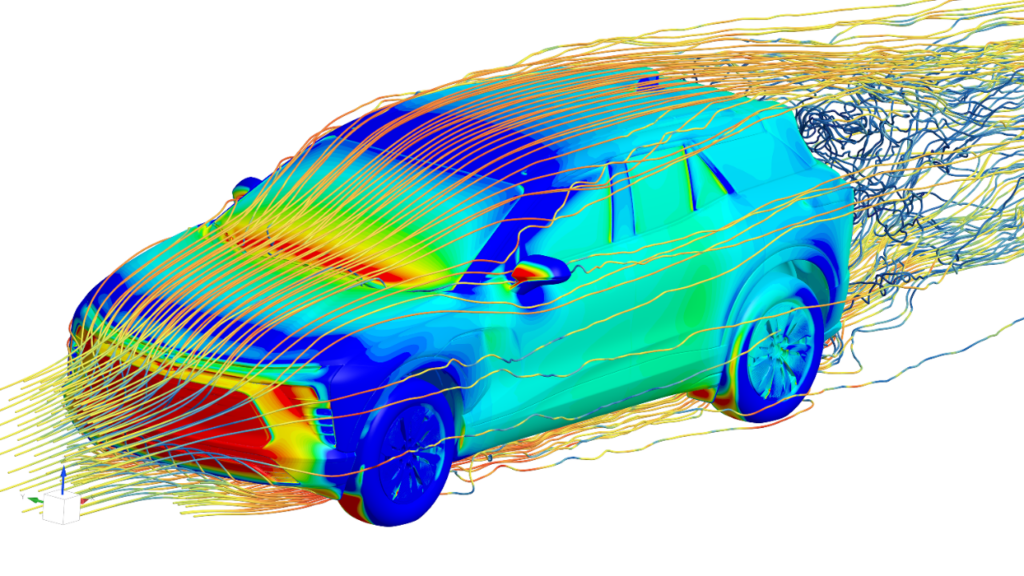
Artificial intelligence also plays a crucial role for engineers. One of GM’s teams developed an AI-based tool that serves as a virtual wind tunnel, predicting a vehicle’s aerodynamic drag from digital renders. Previously, GM relied on CFD modeling and full-scale wind tunnel testing, but that is expensive and time-consuming, often taking days or weeks for minor changes to a car’s design.
In contrast, teams can now change the roofline or hood of a future car and see almost in real-time how it will affect the vehicle’s aerodynamics.
These changes point to a profound transformation at the very heart of automobile manufacturing. The ability to iterate and test virtually not only reduces costs but also opens up space for bolder experiments and innovations. Designers gain the freedom to explore concepts that might have previously been dismissed due to time constraints, and engineers can optimize the product at an incredible speed. This is not just about automating routine tasks; it’s about a fundamentally new approach to creativity and engineering, where humans and algorithms work in synergy to create better products. The question that remains open is how this efficiency will affect the final cost of cars for the consumer and the market dynamics as a whole.