 by
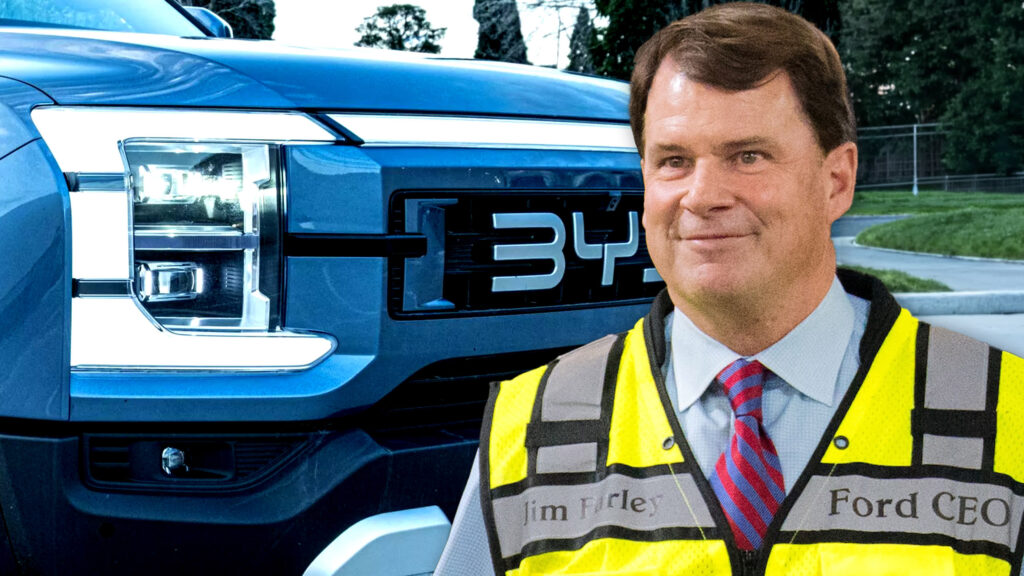
by Ford CEO Jim Farley recently had the opportunity to test several new pickups from Chinese manufacturers during his visit to Australia. Among them were the plug-in hybrid models BYD Shark and GWM Cannon Alpha. His impressions and conclusions turned out to be very frank.
First Driving Impressions
Farley spent three days behind the wheel of these vehicles, comparing them to iconic models like the Toyota Land Cruiser 70. He does not dismiss the Chinese pickups; on the contrary, he acknowledges their competitiveness. However, he emphasizes that they are completely different vehicles compared to what buyers of the Ford Ranger or Toyota Hilux are accustomed to.
“The Shark is a pickup, but if you put 500 kg on the rear axle, it’s not a Ranger, it’s not a HiLux,” his words are reported.
His main point is that the BYD Shark is great for those who want the look of a pickup but do not plan to regularly transport heavy loads or tow serious trailers. This could become a problem for Ford because, according to Farley, not all Ranger owners use their vehicle to its full potential as intended by the engineers.
The Mystery of Economics and Experience
One thing continues to surprise the Ford executive. The company’s engineers have already disassembled the BYD Shark to understand its construction, but they still cannot comprehend the economics of producing this vehicle.
“I have no idea how they make money when we take it apart,” he joked.
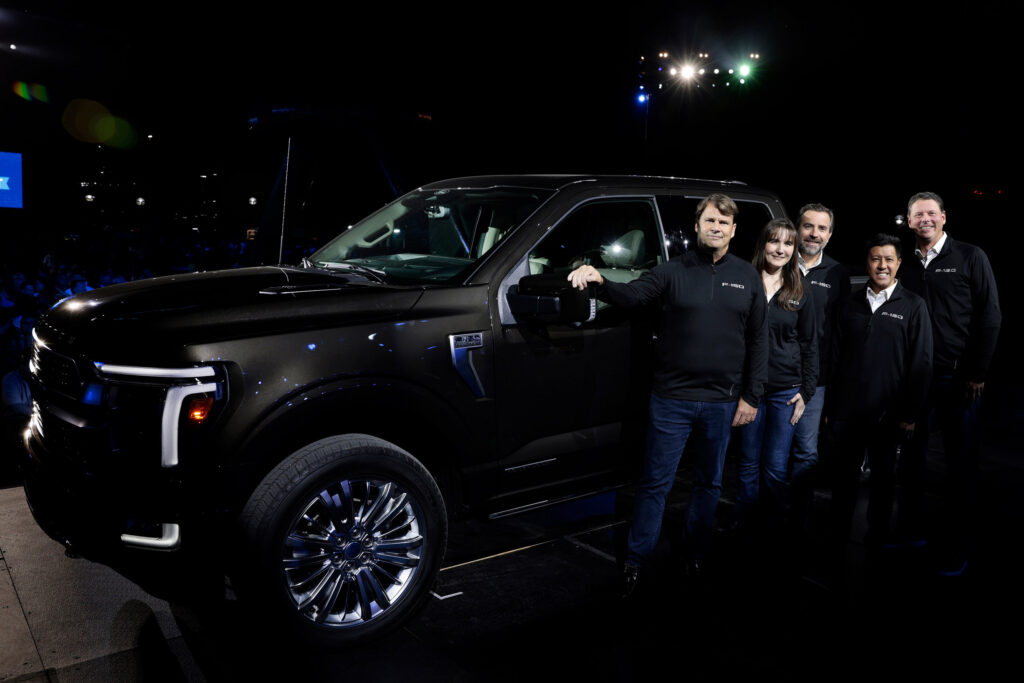
Farley also tested the GWM Cannon Alpha PHEV and called it another solid competitor entering the market. However, he is confident that companies like Ford and Toyota retain a significant advantage thanks to decades of experience in creating work trucks. Chinese manufacturers do not yet have the same deep knowledge of chassis, payload, and towing calculations.
Changing Market Landscape
Despite the technical nuances, the Ford CEO acknowledges that the market is changing very quickly. Chinese brands are now aggressively attacking the global midsize pickup segment, which has traditionally been one of the most reliable sources of profit for automakers.
This means that competition is not just approaching. In many markets, such as Australia, it is already here. The US remains safe on its home turf for now, but there are no guarantees that the situation will remain unchanged in ten years. By that time, Chinese trucks may have improved to a level where they can also handle heavy-duty work.
Photos by Brad Anderson / Carscoops
Statements from an experienced executive like Jim Farley, who openly acknowledges the strengths of competitors, indicate deep structural shifts in the automotive industry. His comments underscore that the future battle for customers may unfold not only on a technical level but also on an economic one—the ability to offer complex technology at an attractive price. This creates new challenges for Western auto giants, forcing them to rethink both engineering approaches and business models, especially in segments previously considered their unshakable citadel.