 by
by The history of Lincoln’s attempts to build an electric vehicle
In 2020, Lincoln announced the development of an electric vehicle based on the Rivian platform.
Despite being called a “key” project, it was shut down just three months later due to the coronavirus pandemic.
After the split with Rivian, Ford decided to build electric Lincolns on its own.
The Oakville Assembly plant was supposed to become a “Canadian hub for electric vehicle production” and produce five models.
One of them, according to rumors, was supposed to be an electric Aviator, but the company changed course again. All electric vehicles were canceled, and Oakville was turned into a pickup truck plant.
Nearly ten years after the start of this story, Lincoln still does not offer a single electric vehicle. Perhaps this even worked in their favor, as demand for electric cars turned out to be significantly lower than automakers expected, but it is very far from the original plans.
A new compact crossover on the Fathom platform
However, a new report suggests Lincoln is again preparing to launch an electric vehicle.
According to Automotive News, the brand will produce a small crossover at the Louisville Assembly plant in the “coming years.”
Not much is known about the model yet, but the publication claims it will be based on the new Universal Electric Vehicle platform, which underpins the Fathom pickup. That model is set to hit the market in 2027 and will also be produced in Louisville, Kentucky.
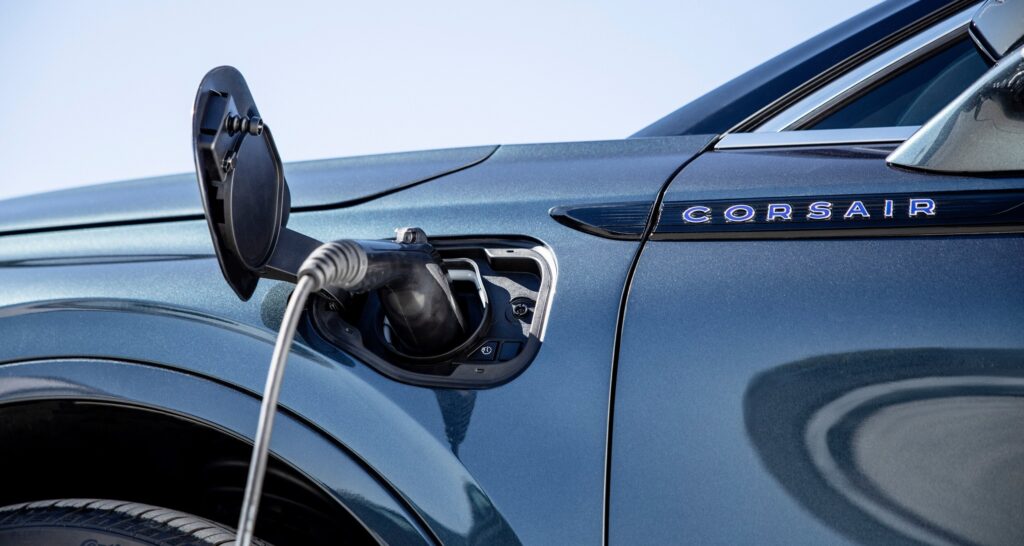
This suggests the crossover could become an electric replacement for the Corsair. That American model disappeared from the assembly line last year, and an updated version was planned to be imported from China for 2027.
Lincoln recently announced plans to “phase out imports of cars from China for the American market,” so the future of the Corsair remains uncertain.
The fate of the Corsair and future plans
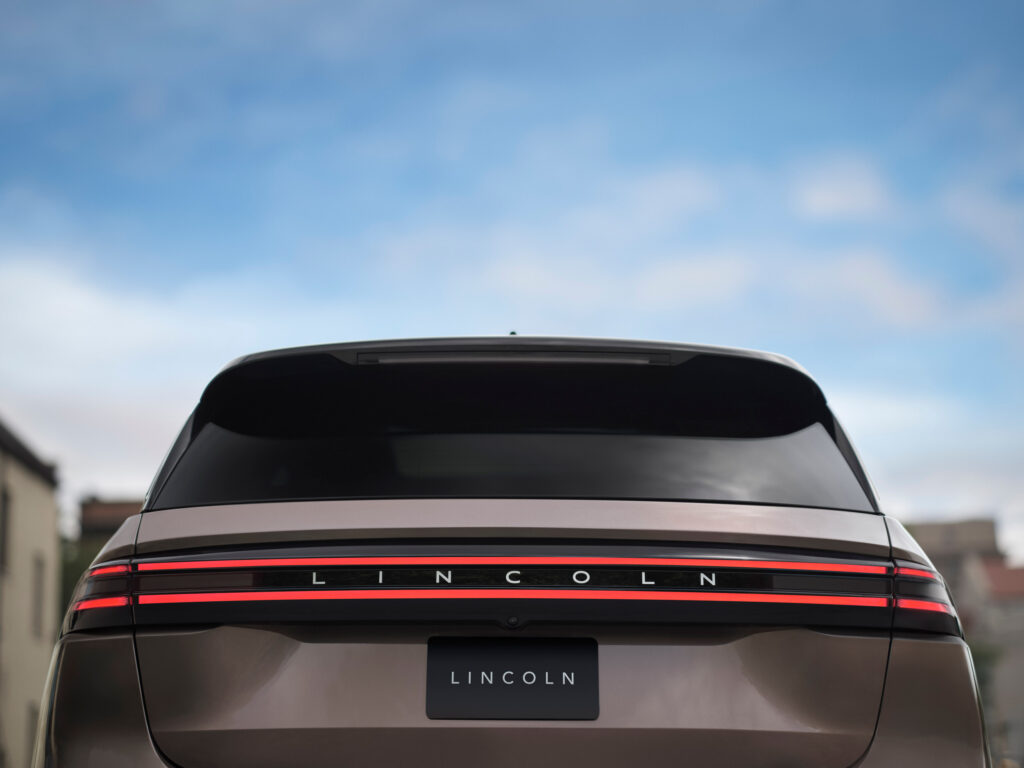
The electric crossover will not be the only new model. Lincoln is also said to be working on a luxury SUV based on the Bronco. In addition, the publication reports that updated Aviator and Navigator models should be expected by the end of the decade.
What’s next for Lincoln
Lincoln’s decision to return to electric models looks like a logical step, as the market is gradually adapting to electric vehicles. Using the Fathom platform will reduce development and production costs, as well as speed up the launch of the new model. At the same time, abandoning Chinese imports shows the company’s desire to keep production in the United States, which could affect prices and availability. Given the ambitious plans to update the lineup, the next few years will be decisive for Lincoln’s positioning in the American market.