
 by
by The common perception of auto mechanics as low-paid workers barely making ends meet is undergoing a serious revision. It turns out a skilled technician at a dealership can earn up to $160,000 a year. Such success is available only to those who combine a high level of skill, speed, and long-term experience.
The Success Story of Ted Hammel
Ted Hammel, a senior master technician at Klaben Ford in Ohio, specializes in repairing transmissions—complex units that many colleagues avoid working on. According to Ford’s estimates, replacing a transmission should take about 10 hours, but Hammel, thanks to his experience, completes it in about half the time.
“I wish we could clone Ted,” said his manager.
Ford CEO Jim Farley agrees, having recently expressed concern about the shortage of skilled personnel. The company is trying to fill thousands of vacancies for technicians with salaries over $120,000, but training a specialist of that level takes about five years.
“We have a problem in this country. There’s a lift, there are tools, but there are no people to work there,” Farley stated.
The “Flat-Rate” System: Reward for Speed

The key to Hammel’s high earnings is the “flat-rate” pay system. It’s a piecework principle: the technician gets paid for the job as defined by management, regardless of the actual time spent. If he completes the task faster, his earnings increase. However, only a few achieve this level of efficiency, as the path to it is long, costly, and physically exhausting.
Hammel started his career earning less than $10 an hour, having previously invested $30,000 in training and thousands of dollars in his own tools, which dealerships often require. Just one specialized torque wrench can cost $800. It took him a full decade to start earning a six-figure sum, and that’s assuming no serious injuries that would slow down his work.
“They always advertised that you could earn a six-figure sum back then. When I started working, I thought, ‘That’s not happening.’ It took a long time,” the technician recalls.
Training the New Generation and Industry Challenges
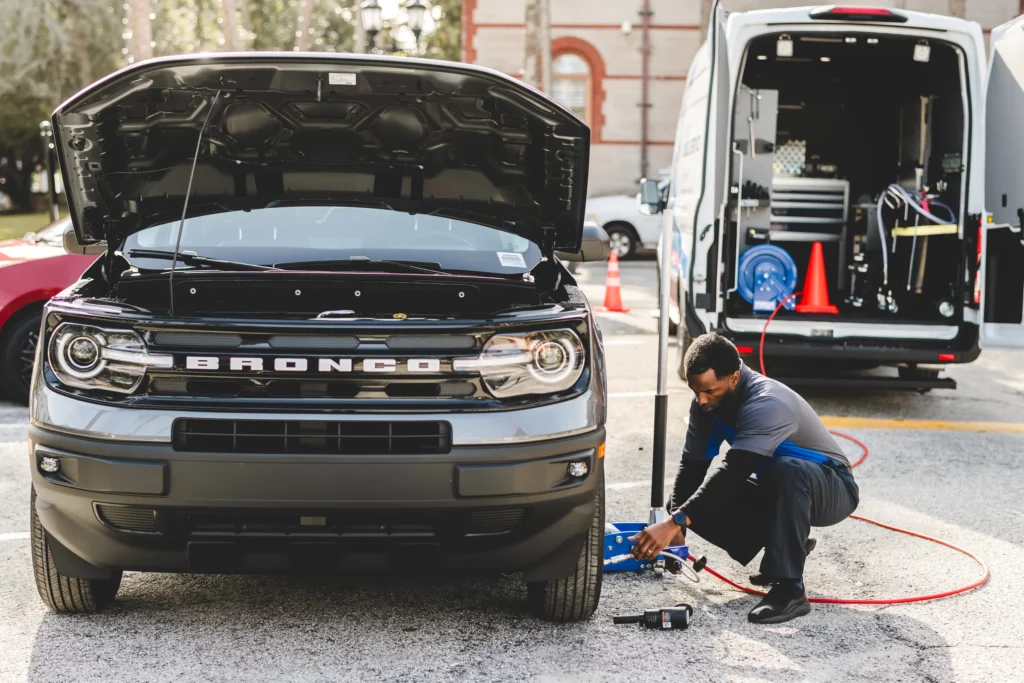
A significant part of Hammel’s current income also comes from training young technicians, for which the dealership pays him additional funds. Ford notes that it has thousands of open technician vacancies across the country, and it takes about five years to develop a truly productive specialist.
However, not everyone endures this path. The work is hard on one’s health, and missed time means lost pay. Many technicians “burn out” or get injured without ever reaching high earnings. For every Hammel earning $160,000, there are dozens of mechanics earning half or a third of that. This shortage of skilled personnel, in turn, drives up the cost of repairs for consumers.
Rising Cost of Vehicle Maintenance
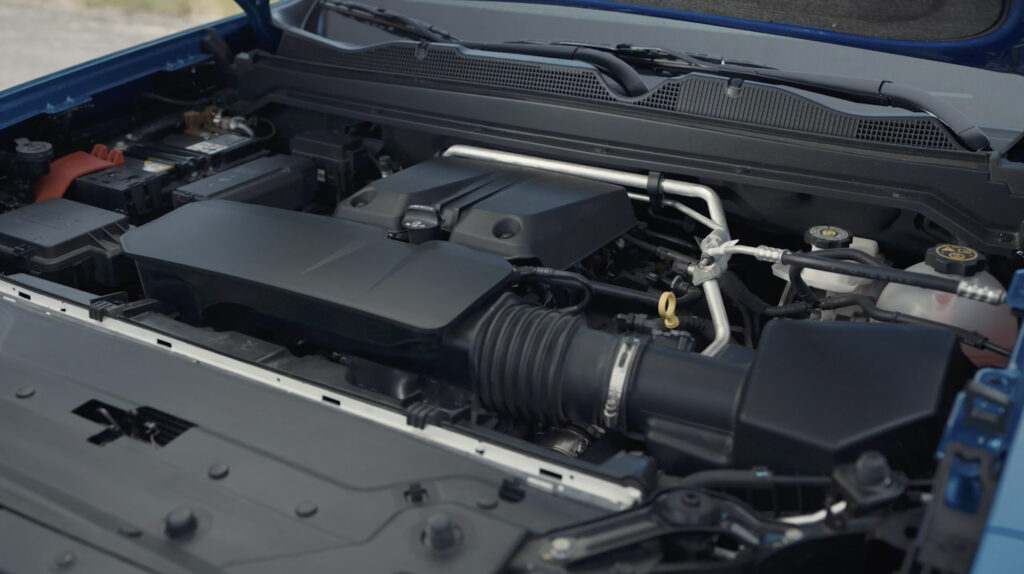
The cost of vehicle maintenance is rising faster than inflation. For example, in November, prices were 6.9 percent higher than a year earlier. Over the last decade, repair costs have increased by 59 percent. For comparison, mechanics’ wages have increased by only 34 percent.
Thus, drivers are paying more to maintain their cars, but the incomes of those doing the work are not growing at the same rate. This trend is characteristic of many professions in the post-COVID economy.
Hammel gives an example: for work on a Ford F-150, he is credited with pay for 14.6 hours, even if he completes it in less than seven. It is this efficiency that makes the “flat-rate” system profitable for him, but at the same time risky for others.
The Other Side of the Coin
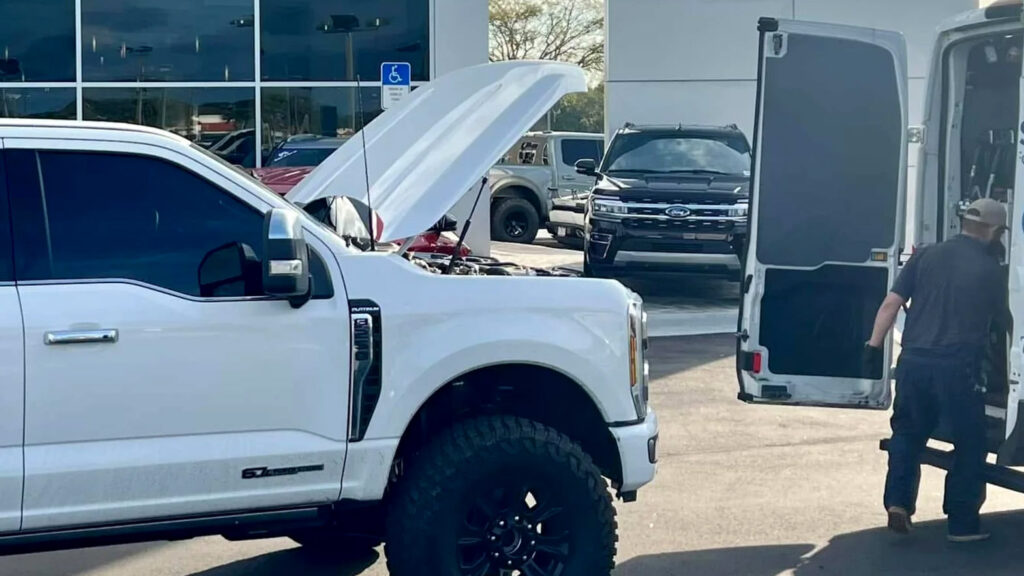
Russell Wickham, a technician at a Chevrolet dealership in Indiana, knows the other side of the system. Over a decade of work in three different states, his maximum annual income was $89,000 in 2022.
“There are no guarantees here,” he explains. “If customers aren’t coming in, they can just keep you idle, because you don’t cost them anything.”
This situation points to a structural problem in the industry. High earnings for individual masters exist alongside instability and difficult conditions for the majority. While companies like Ford offer attractive salaries, the real path to them remains complex, full of investments in training and tools, as well as physical trials. The personnel shortage is likely to persist until the approach to training specialists and organizing their work changes, which ultimately affects the pockets of all car owners.