 by
by Ford recalls 288,314 Explorers due to roof rail issues
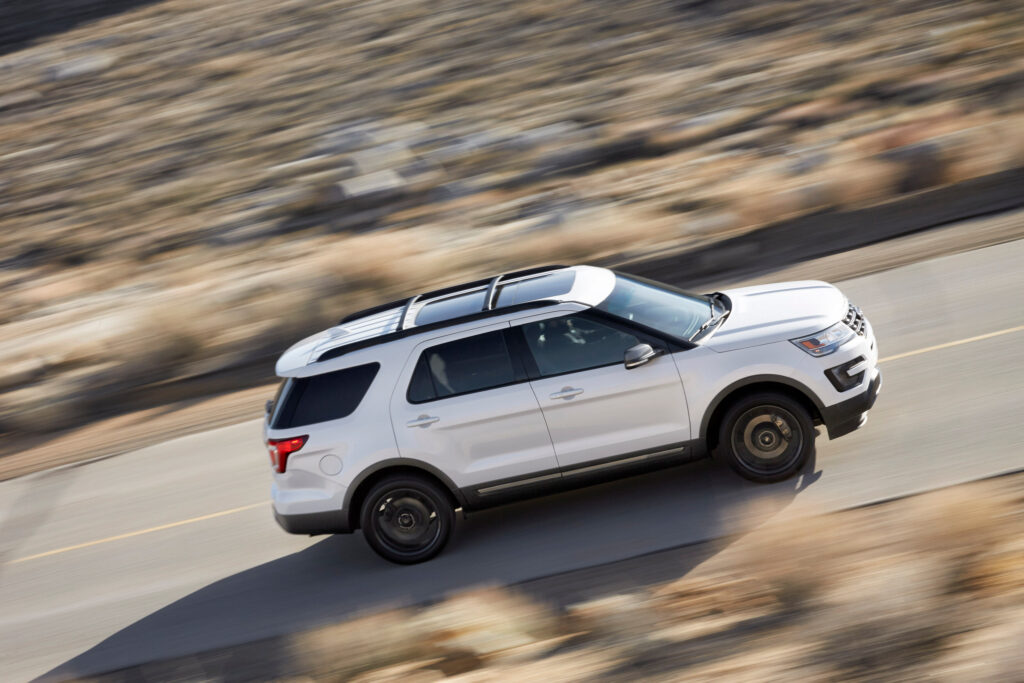
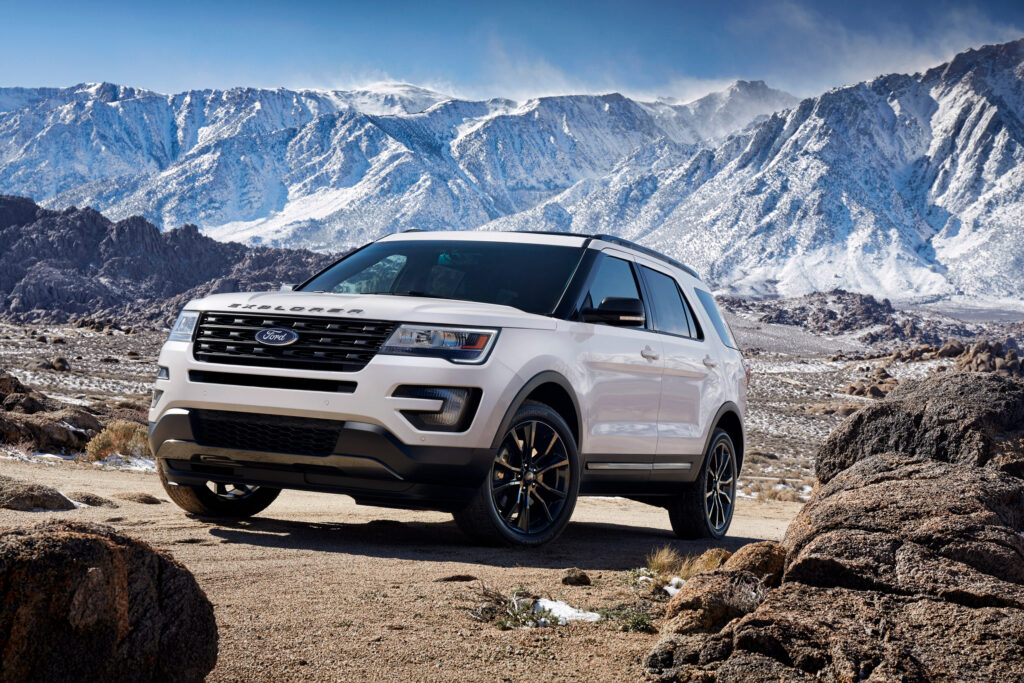
Ford has announced the recall of 288,314 Explorer SUVs due to the risk of losing decorative roof rail covers while driving. This creates a hazard for other road users, and one accident has already been reported.
According to the National Highway Traffic Safety Administration (NHTSA), some 2016–2019 Explorer models are equipped with roof rail covers that can loosen over time. If this happens, owners may notice a visible gap between the parts or hear a tapping noise while driving.
Previous attempts to solve the problem
These decorative elements have long troubled Ford. In 2020, the company conducted a “customer satisfaction campaign” aimed at addressing issues with covers that could become loose, form gaps, rattle, or detach. This was done under an extended warranty, and the repair involved using two-part epoxy adhesive to secure the covers.
Although the initial efforts concerned Explorers with painted or satin/chrome covers, in 2021 Ford announced a recall for vehicles with painted parts. At that time, dealers inspected the covers, replaced damaged ones, and secured them using four plastic push pins instead of epoxy adhesive. The “bright” versions were excluded at the time because “warranty analysis showed a significantly lower rate of detachments and complaints of rattling/looseness.”
The problem returns in 2026
In March 2026, NHTSA’s Office of Defects Investigation contacted Ford regarding 46 reports of loosening or detachment of roof rail covers. This included vehicles that had previously been recalled or repaired under the customer satisfaction program.
The automaker investigated the issue and determined that vehicles with unrepaired satin/chrome covers, as well as those repaired with epoxy adhesive, “continued to have retention problems.” In contrast, previously recalled vehicles repaired using push pins “performed as intended.”
Cause and repair plan
The root cause remains unknown, but it is believed that thermal cycles and wear can lead to loosening of the retaining clips. Regarding vehicles repaired with epoxy adhesive, the process is “sensitive to the technician’s skill,” so it is assumed that workers may not have replaced damaged clips, or applied the adhesive in the wrong place or in insufficient quantity. It is also possible that proper curing conditions were not met.
There is no solution yet, but owners will receive a first notice in August, and a second when the repair becomes available, likely in September. To fix the issue, dealers will inspect the roof rail covers and repair or replace the push pins, rail clips, or the covers themselves as needed.
Hyundai recall due to seat belt defect
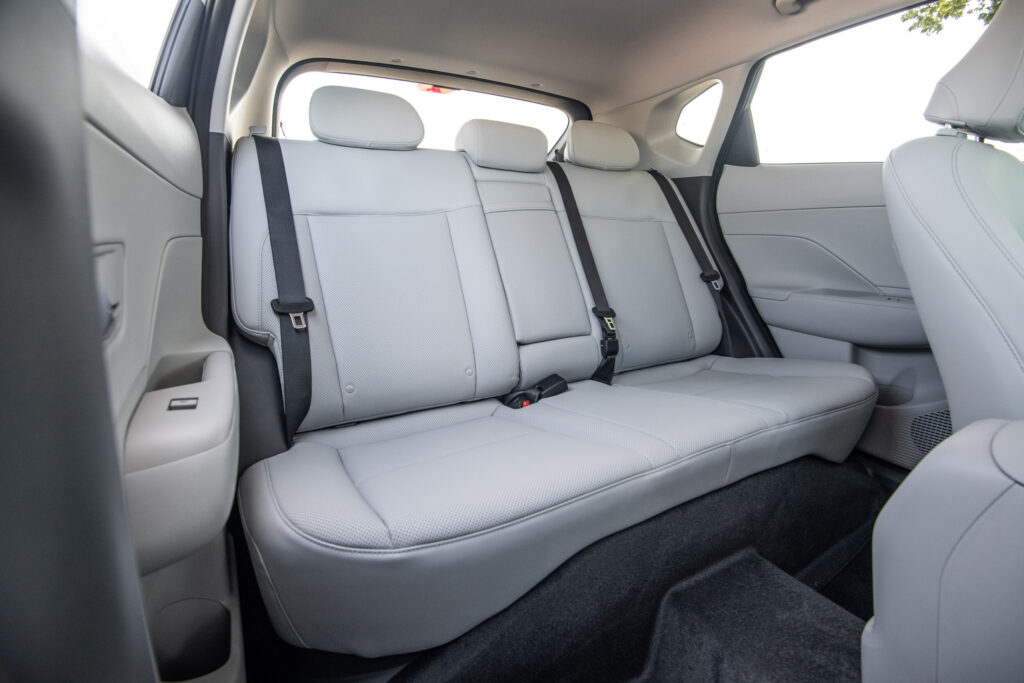
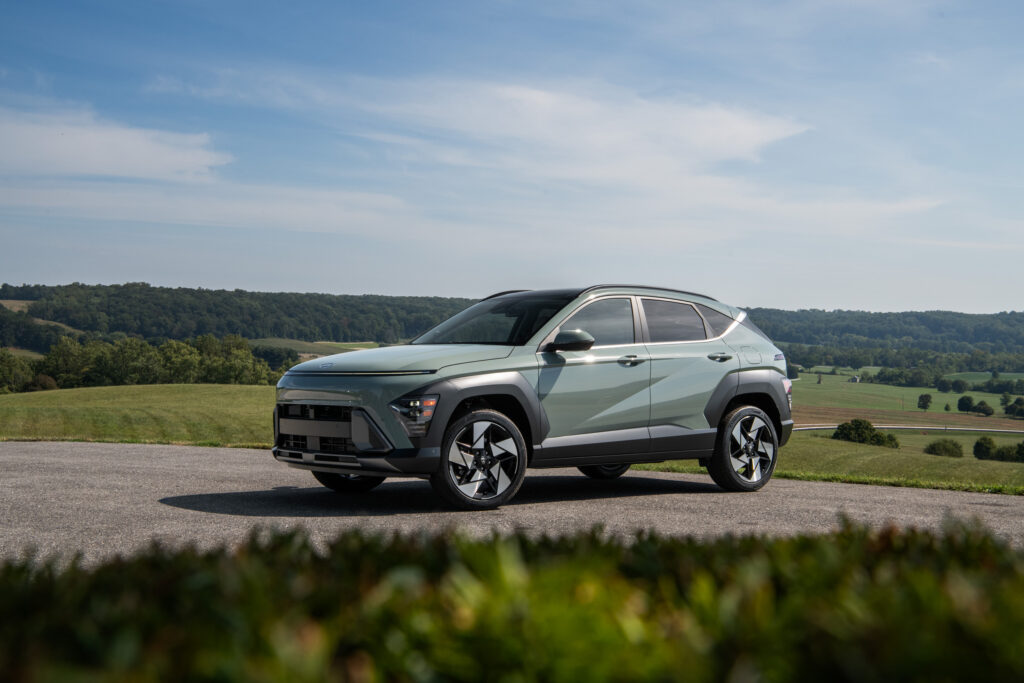
Meanwhile, Hyundai is recalling 47,749 crossovers, including the 2025 Kona Electric and the 2026 Kona. They are equipped with a rear center seat belt buckle that “may not properly restrain an occupant during a crash.”
The buckle supplier, Joyson, notified the automaker of a failed dynamic test in February of this year. This triggered an investigation, which ultimately determined that the supplier continued to use a stamping press after its specified service life had expired, leading to wear from overuse.
Although no incidents have been reported in the US, Hyundai decided to issue the recall out of an abundance of caution. The buckles will be replaced, and notifications are planned to be sent in September. In the meantime, the rear center seat is not recommended for use.
Both recalls underscore the importance of quality control at all stages of production and repair. For Ford, this is not the first attempt to solve the roof rail problem, and the company is now forced to revisit it to find a final solution. The Hyundai case shows how even a minor violation of a supplier’s technological process can lead to a massive recall. Owners of both models should closely monitor messages from manufacturers and not delay visiting a dealer once the repair becomes available.