 by
by Quality Bonuses Amid Record Recalls
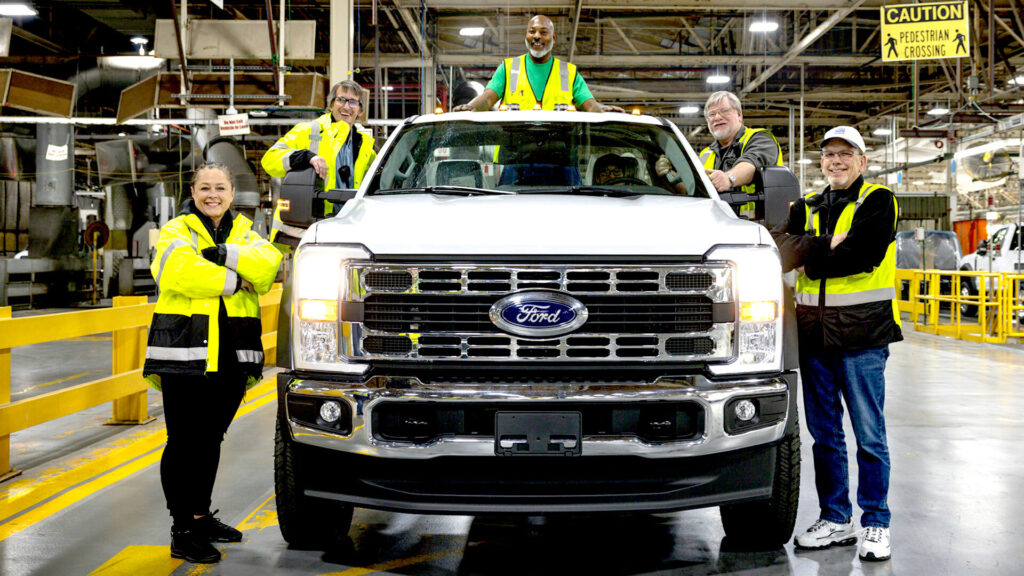
Automaker Ford, despite large-scale quality problems, plans to pay significant bonuses to its employees. This decision is being made in the context of the company setting an anti-record for the number of vehicle recalls.
Key facts of the situation:
Financial Losses and Recalls
Last year, Ford announced 153 recalls, and already at the beginning of 2026, the company continues to lead in this indicator. Furthermore, the automaker recently reported a net loss of $8.2 billion, partly due to a fuel injector recall that cost $500 million.
Bonus Decision
Despite such alarming signals, Ford’s management, according to sources, informed employees about the payment of corporate bonuses at 130 percent. CEO Jim Farley explained this decision by improvements in the initial quality of new cars, which is assessed during the first 90 days of ownership.
Additionally: Ford recalled more cars than the next 9 brands combined in 2025
Quality Metrics and Results
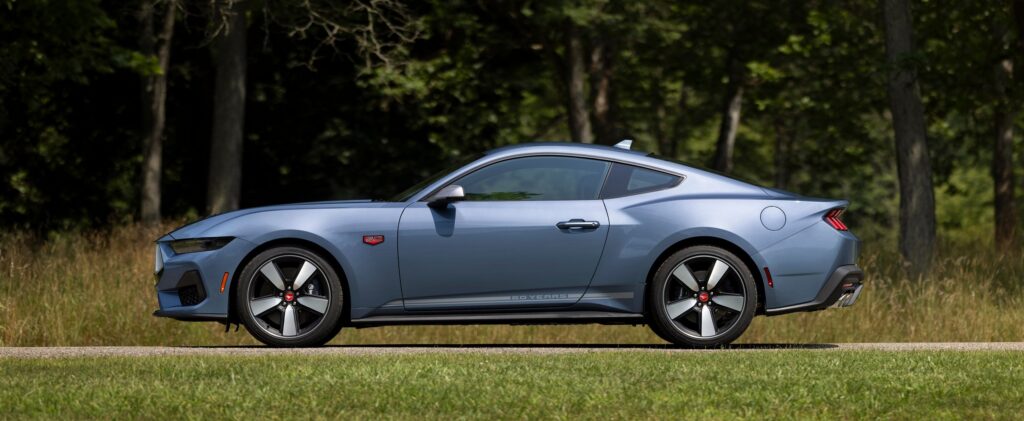
This metric is widely known thanks to JD Power studies. In their 2025 Initial Quality Study, Ford showed a result slightly below average — 193 problems per 100 vehicles. However, the company received four model-level awards for the Mustang, F-150, Super Duty, and Escape. Farley also stated that the company’s initial quality is the best in the last decade.
Reward Logic
The decision to pay quality bonuses against the backdrop of a major recall crisis may seem paradoxical. However, as noted, the bonus system at Ford is based on a set of metrics that the company establishes annually. Initial quality was a key metric for 2025, and it is precisely its improvement that will result in thousands of employees receiving a reward.
As noted in the publication, “bonuses at Ford are based on a set of metrics it sets annually.”
Meanwhile, millions of Ford car owners will likely spend considerable time at dealerships trying to fix faults in their vehicles.
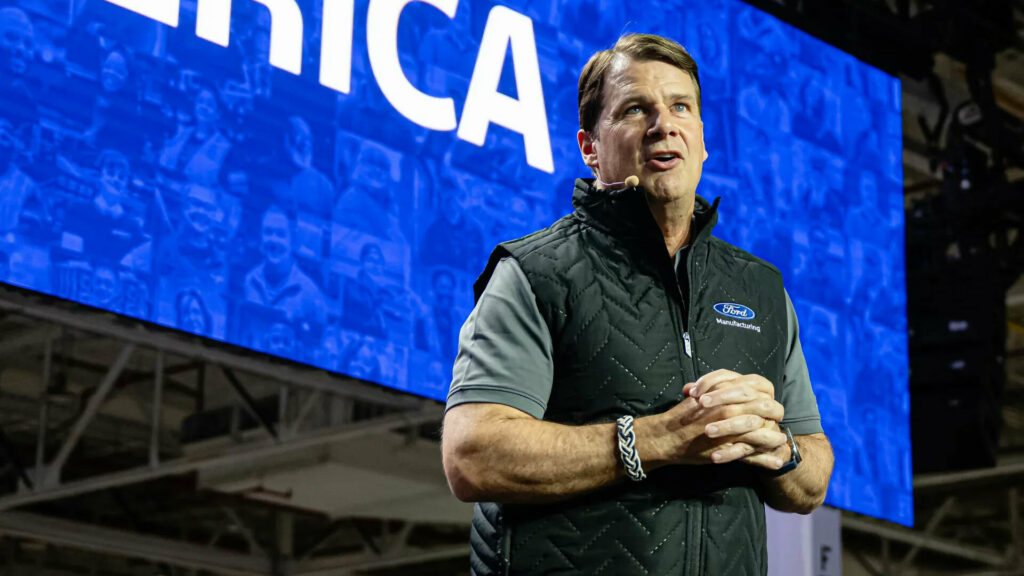
This situation points to a complex dynamic within a major automaker. On one hand, there is a genuine need to motivate the team and recognize efforts to improve certain operational metrics, even if they are narrow, such as quality in the first three months. On the other hand, such an approach can create a sense of disconnect between internal reward systems and the real experience of the end consumer, who faces long-term reliability problems. The company’s strategy seems to separate the concepts of “quality at delivery” and “quality over the lifecycle,” which could have different implications for its reputation and financial results in the future. The success of this approach will depend on whether Ford can synchronize its internal goals with the full spectrum of car owners’ expectations.