 by
by Measuring Car Power: Why Dynamometers Show Different Numbers
Objective performance metrics are of great importance. They are what allow us to understand which components improve engine performance and which ones worsen it. Power and torque figures are the foundation of sports car marketing and are also important for selling even less powerful crossovers and SUVs. However, new research may make one think about how much these numbers can be trusted.
Automobile manufacturers and tuning shops use dynamometers to measure the power and torque of an engine or the entire car. But many do not know that different dynamometers can show radically different results. Moreover, the same car can show different numbers even on the same stand.
Ferrari SUV Dyno Pull Proves The Old School V12 Has New Secrets
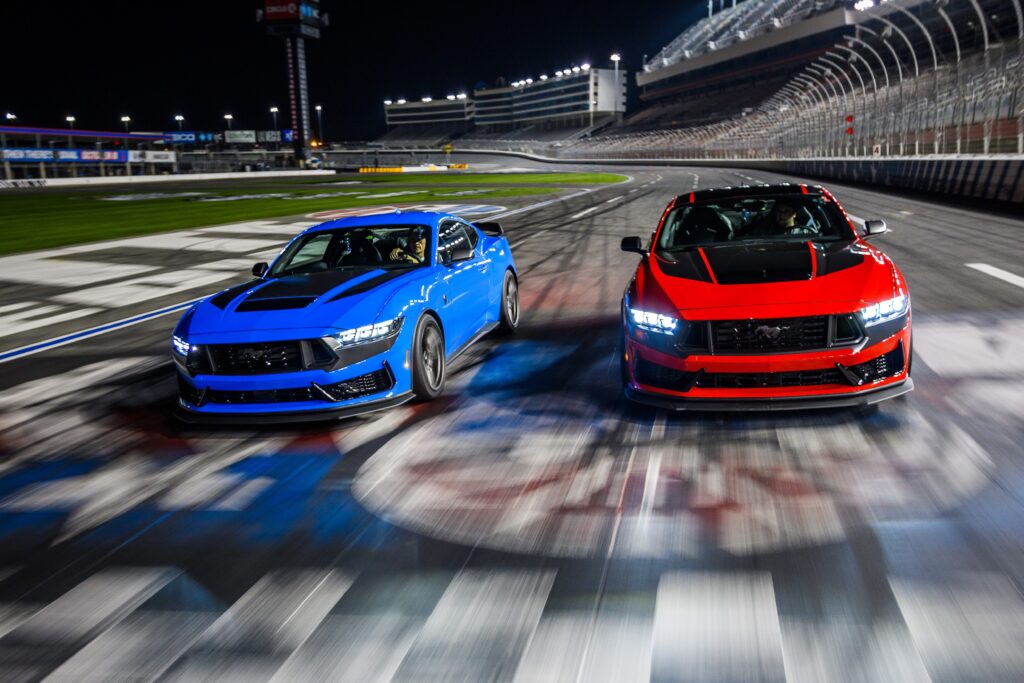
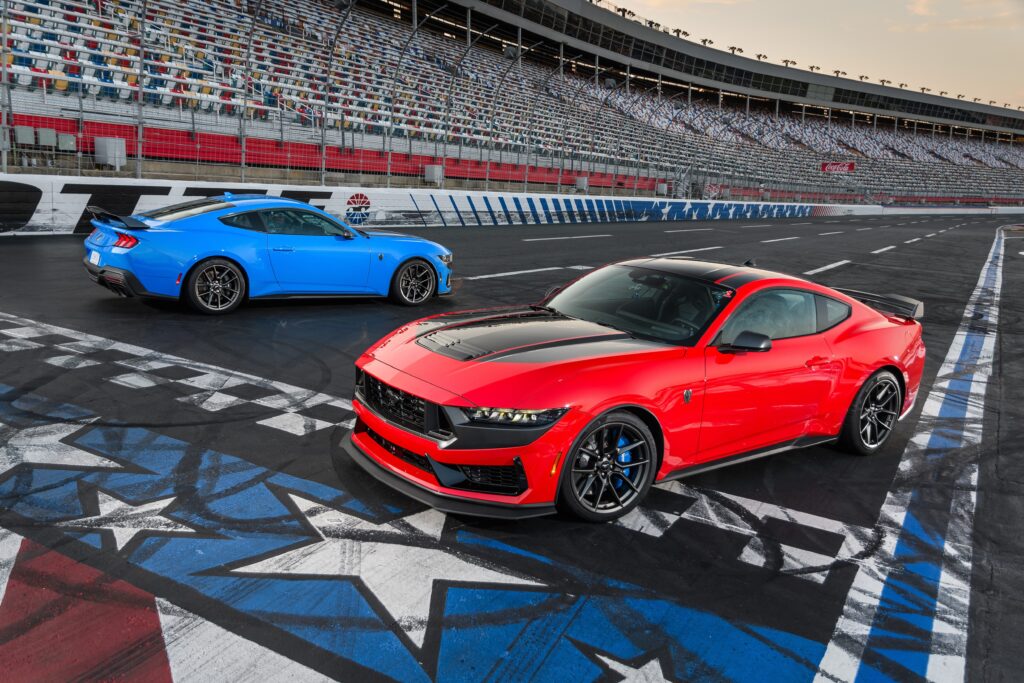
To prove this, Matt Farah and the publication Road & Track placed the same Ford Mustang Dark Horse on four different dynamometer stands in Southern California. The car was identical each time: the same 5.0-liter V8 engine, the same 91-octane fuel, the same weather conditions, and the same SAE correction factor. Yet the results turned out to be far from identical.
Ford rates the Mustang Dark Horse’s power at 500 horsepower and torque at 418 pound-feet at the flywheel. It was expected to produce about 440 hp at the wheels, accounting for typical drivetrain losses. Instead, four dynamometers showed results ranging from a modest 420.8 hp to a significantly higher 465 hp.
Which Dynamometers Were Used and What They Showed
The oldest and least “generous” was the approximately 30-year-old SuperFlow dynamometer at Westech Performance Group. It showed that the Dark Horse produces 420.8 hp at the wheels and 367.2 lb-ft of torque. Such stands are often called “heartbreakers” due to their tendency to show lower numbers.
His Overpriced Mustang Dark Horse Went Up In Flames Then Ford Mailed Him A Souvenir
At the opposite end of the spectrum was the newer Mustang AWD dynamometer at World Motorsports. It recorded 465 hp and 388 lb-ft, which is almost 44 hp more than the SuperFlow showed. The workshop acknowledged that their stand tends to show higher numbers but also noted that many modern all-wheel-drive sports cars require exactly this type of equipment. Between these extremes were the Dynapack dynamometer at Bisimoto Engineering with a result of 430.9 hp and the Dynojet at HK MotorSports with 425.7 hp.
Why the Results Differ So Much: The Role of Correction
However, the dynamometer itself is only part of the story. Correction factors that account for weather conditions can distort the results even further. One technician demonstrated four different correction settings for the same measurement, and the discrepancy amounted to almost 100 horsepower.
This is why the smartest tuners do not fixate on one specific number. Instead, they are interested in baseline figures and the power gain after modifications. A car that gained an additional 30 hp on the same dynamometer under the same conditions provides much more information than a random “verified” printout from the other end of the country.
What This Means for Car Enthusiasts
Simply put, power figures for new cars are useful, but they are difficult to consider absolutely accurate. The same Dark Horse showed a discrepancy of over 44 hp depending on the dynamometer. Even the same stand can produce different numbers between a measurement taken on a cool morning and a hot afternoon.
This also makes the annual press releases announcing a 10-20 hp power increase less impressive. Such a small gain can easily be “lost” within the normal variation between different dynamometers, weather conditions, and correction factors.
Interestingly, a modified car with a recent dyno sheet can give a better idea of real power than a factory specification. Of course, this number still depends on all the peculiarities and unpredictability of dynamometer testing, but at least you know that this particular car produced that result on a specific stand on a specific day. In the world of power bragging, this is probably the closest to certainty one can get.
This experiment clearly demonstrates that power is not a static value but a range influenced by a multitude of factors. For a buyer, this means that stated figures should be viewed as a guideline, not as the ultimate truth. The real difference between cars is best felt behind the wheel on the road or track, not on a piece of paper from a dyno printout. So the next time you hear about “an extra 10 horsepower,” it’s worth considering whether that difference will be noticeable outside of laboratory conditions.